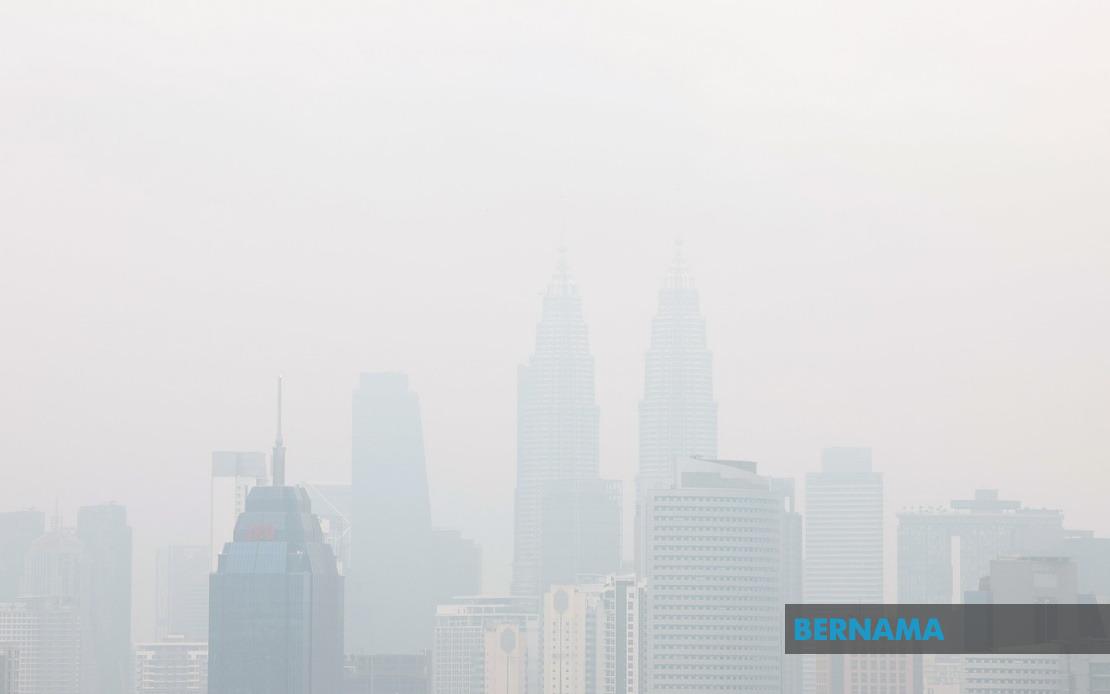
The ASEAN region faces a mounting environmental crisis as meteorologists forecast that sustained drought conditions will intensify transboundary haze and smoke pollution across southern territories in the coming week. The ASEAN Specialised Meteorological Centre issued its alert on Wednesday following measurements of unhealthy to very unhealthy air quality already recorded in western Peninsular Malaysia, Sarawak, and parts of Indonesia. The organisation cautioned that if dry weather patterns persist, the current hotspot situation could escalate significantly, threatening public health and regional air quality.
Satellite and ground observations reveal extensive smoke generation across multiple Indonesian islands. Moderate to dense smoke plumes currently blanket regions including West, Central and South Kalimantan alongside central and southern Sumatra, while Indonesian authorities have detected scattered to isolated clusters of active hotspots indicative of ongoing agricultural burning and forest fires. This pattern reflects the annual dry season challenges that regularly plague the archipelago, though the severity and geographic spread this year underscores the vulnerability of the entire southern ASEAN corridor to transboundary pollution events.
Malaysia has emerged as one of the most affected nations, with air quality monitoring stations registering hazardous pollution levels across multiple jurisdictions. As of Wednesday morning, seventeen separate monitoring points distributed across six states and two Federal Territories recorded unhealthy API readings. The situation proved particularly acute in Sarawak, where three distinct areas surpassed hazardous thresholds: Sri Aman registered the highest Malaysian reading at 167 on the API scale, while Serian district police headquarters and Samarahan both recorded 166 and 162 respectively. Beyond Sarawak, unhealthy conditions extended to population centres in Selangor, Kuala Lumpur, Negeri Sembilan, Johor, Melaka, Perak and Putrajaya, indicating that the pollution had penetrated Malaysia's most densely populated regions.
The meteorological centre attributed this widespread degradation to prevailing wind patterns expected to maintain southeasterly to southwesterly flows across the region. These wind systems, which typically transport smoke and particulate matter from Indonesian sources northwestward and eastward, create the conditions for transboundary haze episodes that have periodically disrupted economic activity, strained healthcare systems, and prompted respiratory health warnings across Malaysia for decades. The current forecast suggests these transport mechanisms will remain in place during the critical period ahead, effectively channelling smoke-laden air masses toward Malaysian territory.
Beyond Malaysian shores, Singapore's air quality, while currently at moderate levels, demonstrated the region-wide character of the pollution challenge. The city-state's 24-hour Pollutant Standards Index ranged between 59 and 78 as of Wednesday afternoon, with central regions recording the highest readings. Although Singapore's levels remained substantially lower than those measured in Malaysia and Indonesian hotspot regions, the presence of detectable pollution signals illustrated how vast smoke plumes can travel considerable distances across the equatorial maritime environment, affecting multiple nations simultaneously.
The current episode reflects the recurring environmental vulnerability that has characterised ASEAN relations and public health management for the past three decades. Transboundary haze emerges annually during the dry season as agricultural stakeholders in Indonesia resort to slash-and-burn land clearance and as wildfires proliferate in unmanaged forest areas. Each haze event imposes substantial economic costs through disrupted transportation, reduced tourism, lost productivity, and increased healthcare expenses across affected nations. The absence of effective regional enforcement mechanisms to prevent Indonesian agricultural burning has rendered neighbouring countries essentially passive victims of another nation's land management practices.
Meteorological forecasting suggests the critical window for deterioration extends over the next several days, contingent upon whether current dry conditions maintain their intensity or moderating weather systems arrive to interrupt them. The ASMC's emphasis on the potential for further escalation reflects genuine uncertainty about atmospheric conditions rather than alarmism. During previous severe haze episodes, similar warnings preceded measurable deterioration, with API readings progressing from unhealthy to hazardous levels and health authorities implementing emergency public health protocols.
For Malaysian policymakers and public health officials, the immediate challenge involves preparing contingency responses should air quality degrade further. Previous haze episodes have prompted school closures, activity restrictions for vulnerable populations, and heightened pressure on healthcare facilities managing respiratory complications. The geographic distribution of current unhealthy readings across both peninsular Malaysia and Sarawak indicates that no region remains insulated from the pollution transport mechanisms. Urban areas like Kuala Lumpur and Selangor, which concentrate Malaysia's largest population concentrations and economic activity, face particular exposure.
The persistence of this transboundary phenomenon underscores the limits of individual national environmental management when regional sources of pollution escape effective regulatory control. Despite decades of diplomatic engagement through ASEAN frameworks, Indonesia's domestic agricultural and forestry practices continue to generate periodical pollution crises affecting millions of people across neighbouring jurisdictions. The current episode, unfolding amid August's traditionally dry season, suggests that climatic patterns supporting conducive fire conditions remain operational, and that the upcoming days will prove critical in determining whether the situation stabilises or intensifies further.

