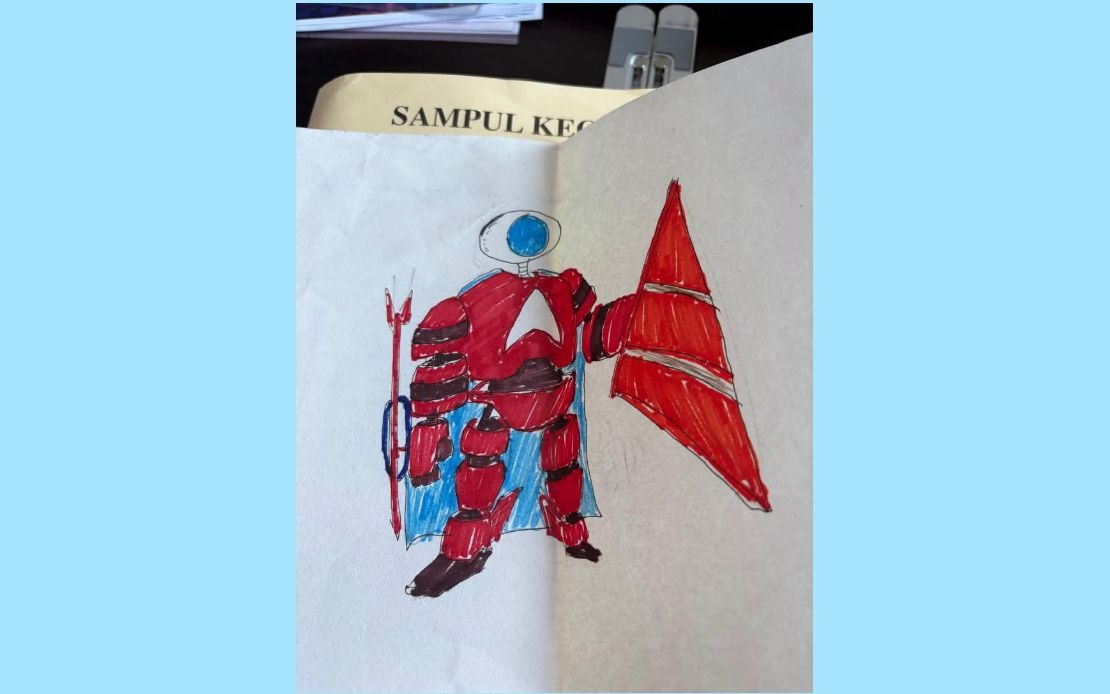
Prime Minister Datuk Seri Anwar Ibrahim has cherished a drawing presented to him by a special needs child during a recent community engagement programme in Negeri Sembilan, taking to social media to express his heartfelt appreciation for what he describes as a deeply meaningful gift. The artwork, which depicts a robot character dressed in red and blue armour while wielding a staff-like object in its left hand, has evidently left a lasting impression on the nation's leader, who took the time to publicly acknowledge the gesture and the young artist behind it.
In a Facebook post, Anwar recounted the poignant moment when the child, who was being carried by his father, handed him the drawing during the recent Temu Anwar event. The Prime Minister emphasised that he vividly recalls this interaction, suggesting that such personal encounters during his community engagements resonate deeply with him. His public acknowledgement of the gift demonstrates the value he places on connecting with Malaysians from all segments of society, including families raising children with special needs.
Temu Anwar represents a flagship initiative designed to facilitate direct and meaningful dialogue between the Prime Minister, young people, and members of the public spanning diverse backgrounds and socioeconomic circumstances. These programmes have become a cornerstone of Anwar's political engagement strategy, allowing him to move beyond the formality of parliamentary proceedings and traditional government channels to hear directly from citizens. The initiative reflects a broader commitment to accessibility and inclusive governance, ensuring that voices from different communities can reach the highest levels of decision-making.
The gesture from the special needs child and his father carries particular significance within Malaysia's evolving social landscape. Special needs communities and their families often navigate substantial challenges in securing adequate recognition and support within society. When high-profile political leaders publicly acknowledge and celebrate contributions or gestures from individuals within these communities, it sends an important signal about societal values and inclusion. Anwar's public sharing of this moment suggests an appreciation for the inherent worth of all citizens, regardless of circumstance.
The act of gift-giving itself holds cultural weight in Malaysian society. A hand-drawn artwork represents considerable personal effort and genuine sentiment, particularly from a young child. Unlike mass-produced or ceremonial gifts, such intimate creations reflect authentic emotion and connection. Anwar's decision to preserve this drawing as a keepsake and subsequently share the story indicates the depth of meaning he extracts from human interaction, distinguishing between transactional political engagements and genuine human moments.
The visual content of the drawing—a robot figure in armour—invites speculation about what prompted the child's creative choices. Robot imagery often appears in children's artwork as representations of strength, protection, or aspiration. Whether intentionally or not, the child's creation may reflect broader themes that resonate with audiences, contributing to the drawing's poignancy and the Prime Minister's decision to highlight it publicly.
From a communications perspective, Anwar's social media post serves multiple functions beyond a simple thank-you. It humanises political leadership by showcasing genuine emotional response to everyday people's contributions. In an era marked by political polarisation and public cynicism toward elected officials, such moments of authentic connection offer voters a perspective on their leader's character and values. The post implicitly communicates that accessibility to leadership exists and that even young people with special needs can meaningfully participate in democratic processes.
The Negeri Sembilan Temu Anwar programme represents just one instance in what has become a recurring series of engagement events across Malaysia. These programmes have generated numerous stories of direct Prime Minister-citizen interaction, though the decision to publicly document this particular encounter involving a special needs child elevates its profile. Such visibility can inspire other communities to participate in Temu Anwar initiatives, knowing that their contributions will be received with genuine appreciation and respect.
For families raising children with special needs, this public gesture carries tangible implications. It validates their children's place within the national community and suggests that government structures remain open to their participation and input. Special needs advocacy groups in Malaysia have consistently emphasised the importance of inclusive representation and equal participation in civic life. When political leadership visibly embraces these principles through concrete actions, it strengthens the broader push toward systemic change that benefits vulnerable populations.
The preservation of a child's drawing as a meaningful keepsake also reflects timeless principles about what truly matters in human relationships and memory-making. Material possessions and official accolades fade in significance when contrasted with personal tokens of affection and connection. Anwar's public reverence for this simple artwork suggests a philosophy that values human connection over protocol or status hierarchy, a perspective that extends beyond this single interaction to shape his broader approach to governance and public engagement.

