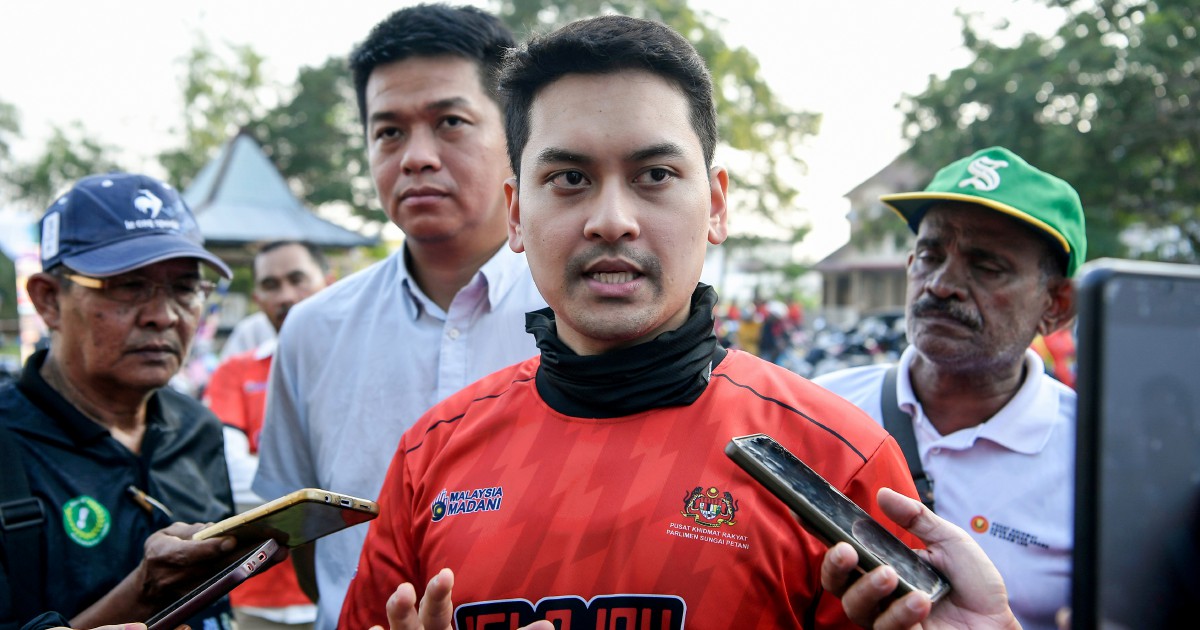
Youth and Sports Minister Dr Mohammed Taufiq Johari has called for a comprehensive investigation into the circumstances surrounding the death of an 11-year-old girl in Alor Star, who reportedly collapsed after participating in a school sporting activity on the instruction of her teacher. The case has raised immediate concerns about student safety protocols during physical education programmes and the adequacy of health screening measures in Malaysian schools.
The girl's death, which authorities believe stemmed from an underlying heart condition, has prompted fresh scrutiny of how schools manage students with pre-existing medical vulnerabilities. While details remain limited, the apparent lack of awareness regarding the student's health status among those supervising the activity suggests potential gaps in communication between parents, medical professionals, and educational institutions. This intersection of responsibility highlights a critical area where Malaysian schools may need to strengthen their internal procedures.
Dr Taufiq Johari's intervention signals the seriousness with which the Sports Ministry is treating this incident. As the minister overseeing youth development and sports nationwide, his call for thorough investigation underscores the government's commitment to ensuring that sporting activities—traditionally viewed as beneficial for child development—do not inadvertently endanger vulnerable young people. The political dimension of his statement also reflects growing public concern about child safety in educational settings, an issue that resonates deeply across Malaysian society.
Schools across the country typically require parental consent and medical clearance for participation in sporting events, yet enforcement and documentation practices vary considerably. In many institutions, physical education teachers may not have consistent access to student health records or may lack sufficient training to recognise warning signs of cardiac distress. This case will likely serve as a catalyst for reviewing existing guidelines and establishing more robust communication channels between the health and education sectors.
The involvement of a teacher's instruction in directing the student to participate raises questions about duty of care and whether educators receive adequate training in recognising health risks before and during physical exertion. Malaysian schools are increasingly expected to balance encouragement of active lifestyles with the responsibility to identify and accommodate students with medical conditions. The challenge is particularly acute in rural and suburban schools where specialist medical expertise may be limited.
Parent advocacy groups have long flagged concerns about inadequate health screening in schools, particularly for conditions like cardiac anomalies that may not present obvious symptoms in rest. Medical experts stress that some heart conditions remain undiagnosed in children until they experience sudden exertion, making pre-activity health questionnaires and parental disclosure essential safeguards. Whether these mechanisms functioned properly in this case will be central to the investigation.
The timing of this incident coincides with national efforts to promote physical fitness among Malaysian youth, particularly following pandemic-related school closures that reduced activity levels. However, this tragic case demonstrates that well-intentioned fitness initiatives must incorporate comprehensive safety frameworks. The ministry will need to balance enthusiasm for sports participation with practical measures to protect students at elevated health risk.
Investigators will likely examine whether the school maintained updated medical records, whether the teacher had received training in recognising cardiac symptoms, and whether emergency response procedures were properly implemented. They may also assess whether parental notifications regarding the activity were clear about the physical demands involved and whether parents had opportunities to disclose relevant health concerns. These procedural questions will shape recommendations for systemic improvements.
For Malaysian educational institutions, this case serves as a sobering reminder that participation in sports activities, while generally beneficial, requires meticulous attention to individual student circumstances. Schools will need to review how they collect and utilise health information, how they train staff to identify at-risk students, and how they respond to medical emergencies. The complexity increases when considering that many cardiac conditions are invisible to untrained observers.
The investigation's findings will likely influence future guidelines issued by both the Education Ministry and the Sports Ministry, potentially requiring schools to implement more stringent health clearance procedures, improve teacher training, and strengthen coordination with parents regarding student health status. For Southeast Asian education systems facing similar challenges, Malaysia's response to this tragedy could establish important precedents for balancing student health protection with active lifestyle promotion.
Dr Taufiq Johari's commitment to a thorough investigation sends a message that child safety remains non-negotiable, regardless of the perceived benefits of any given activity. As more details emerge, stakeholders across education, sports, health, and parental communities will scrutinise whether Malaysia's schools adequately safeguard vulnerable students. This case will likely catalyse important conversations about how to create safer, more inclusive sporting environments where all children—regardless of health status—can participate appropriately according to their individual circumstances.

