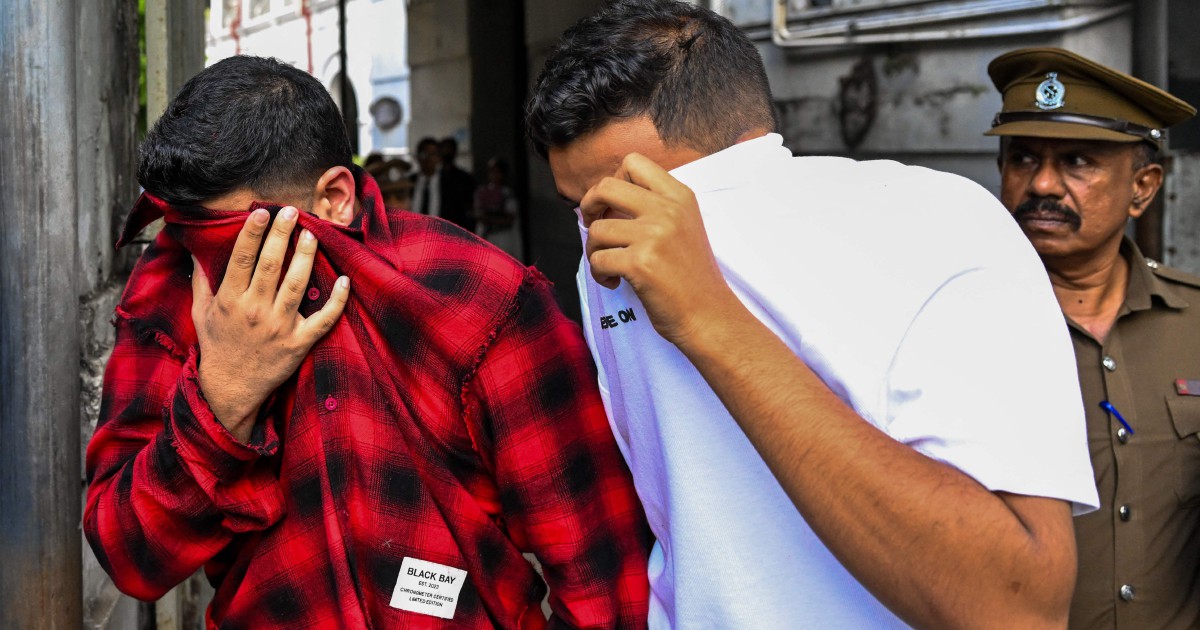
An Indian national who holds a stake in a Lanka Premier League franchise faces serious charges of orchestrating a match-fixing scheme, with a Sri Lankan court determining Friday that he should remain in custody through the end of the month. The judicial decision marks a significant moment in a scandal that threatens the credibility of the island nation's premier domestic T20 tournament, one of South Asia's most high-profile cricket competitions outside of the Indian Premier League.
The co-owner stands accused of attempting to secure the cooperation of five cricket players through bribery, an arrangement that would have fundamentally compromised the integrity of professional matches. Such allegations represent one of the most serious infractions in modern sports, as they strike at the foundation of competitive fairness that audiences and stakeholders depend upon. The involvement of a foreign national in what amounts to an alleged conspiracy against domestic cricket has amplified concerns about governance and oversight within Sri Lanka's cricket administration and tournament management.
Match-fixing scandals carry enormous implications for cricket in South Asia, a region where the sport commands passionate followings and substantial economic investment. When integrity is questioned, confidence among broadcasters, sponsors, and casual viewers can erode rapidly, potentially affecting viewership numbers and commercial returns. The Lanka Premier League, launched as a flagship tournament to promote Twenty20 cricket and provide opportunities for both established and emerging Sri Lankan talent, depends fundamentally on public trust that competitions are conducted fairly and transparently.
The court's decision to remand the accused in custody rather than grant bail indicates the seriousness with which Sri Lankan judicial authorities view the allegations. This approach reflects international best practices in handling sports corruption cases, where investigators require adequate time and resources to gather evidence, interview witnesses, and establish the full scope of any conspiracy. The remand order also sends a signal that Sri Lanka's legal system is prepared to act decisively against attempts to undermine the sport.
The five players named in the allegations face their own investigations and potential charges. Their potential involvement—whether as willing participants, reluctant targets of coercion, or individuals who reported the bribery attempts—remains a central question as authorities piece together the timeline and methods of the alleged scheme. The identity and professional standing of these players have not yet been disclosed publicly, though their status within Sri Lankan cricket will likely be resolved through ongoing judicial and sporting regulatory processes.
This incident recalls broader concerns about match-fixing that have periodically surfaced across South Asian cricket. Previous scandals involving players from various nations have resulted in lengthy bans, criminal convictions, and fundamental changes to how cricket boards monitor player conduct and financial integrity. International cricket bodies have invested heavily in education programmes, monitoring systems, and cooperation mechanisms to reduce the appeal and feasibility of corruption, yet the persistence of such allegations demonstrates that vigilance remains essential.
The Lanka Premier League operates within a competitive landscape where several other T20 tournaments across South Asia vie for player participation, broadcaster attention, and sponsorship funding. Any integrity concerns at the LPL could potentially divert interest and investment toward alternative competitions, particularly given the growing number of T20 franchise leagues now operating in the region. This creates both pressure on the tournament organisers to demonstrate their commitment to fair play and an incentive for rivals to highlight any governance weaknesses.
Sri Lanka's cricket board will likely face scrutiny regarding its due diligence procedures for approving franchise ownership. Questions may be raised about what background checks were conducted, how financial transparency is monitored, and what mechanisms exist to detect suspicious activities during matches. These governance questions extend beyond the immediate case and touch on broader issues of accountability that affect how international cricket is regulated in an era of rapid commercial expansion.
The judicial process now underway will determine whether sufficient evidence exists to proceed toward trial and, ultimately, whether criminal convictions can be secured. Even if the accused is eventually acquitted, the reputational damage to the tournament and the individuals involved will have been substantial. For Malaysian observers and other regional cricket enthusiasts, this case serves as a reminder of the continuous challenges that professional sports organisations face in maintaining integrity, particularly as franchises attract investors from around the world.
As investigations continue, the broader cricket community across Southeast Asia will watch closely to see how Sri Lankan authorities and the sport's governing bodies respond. The outcome of this case may influence how other tournaments in the region approach ownership vetting and player protection measures, making it far more consequential than any single match or tournament edition. For Sri Lankan cricket specifically, the resolution of these allegations will significantly affect the sport's standing domestically and internationally, with implications for future investment and participation in the sport.

