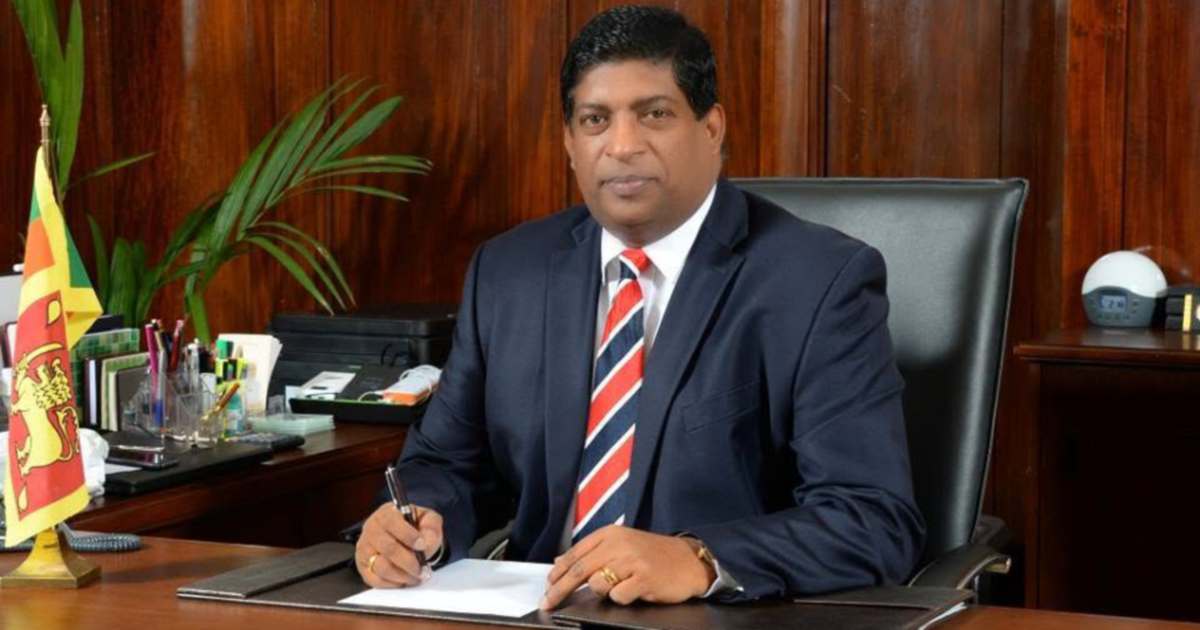
Sri Lanka's former finance minister Ravi Karunanayake has been arrested by the country's primary anti-corruption enforcement agency following allegations that he misappropriated state funds to compensate employees working in his private capacity. The detention, which took place on Monday, represents a significant development in the island nation's ongoing efforts to combat high-level financial misconduct among government officials.
The charges against Karunanayake centre on accusations that he systematically used public money designated for state operations to cover wages and related expenses for individuals employed directly by him in a personal capacity. Such allegations, if substantiated, would constitute a serious breach of fiduciary duty and represent one of the more flagrant forms of public resource misappropriation that officials can commit. The distinction between state and personal finances is a fundamental safeguard in governance structures across the region, and violations of this boundary undermine public trust in institutional integrity.
The arrest marks a notable escalation in Sri Lanka's domestic anti-corruption agenda, which has intensified significantly in recent years as the nation works to strengthen its reputation for financial transparency and accountability. The country has faced considerable international scrutiny regarding governance standards, particularly following its severe economic crisis in 2022. This case demonstrates that authorities are willing to pursue high-ranking former officials regardless of their previous standing, a message that carries weight across South Asia's political landscape.
Karunanayake's tenure as finance minister placed him at the epicentre of Sri Lanka's economic policy during a critical period. His decisions on fiscal management, taxation, and public expenditure directly influenced the nation's financial trajectory and affected millions of citizens. The nature of the allegations—personal enrichment through public resources—strikes at the core of why institutional oversight and accountability mechanisms exist. For Malaysian observers, this case underscores why robust independent oversight bodies with prosecutorial power remain essential safeguards against executive overreach.
The involvement of Sri Lanka's main anti-corruption body signals that the investigation has proceeded beyond initial suspicions to reach a threshold where authorities believe sufficient evidence exists to justify detention and further legal proceedings. Such agencies typically operate under significant political pressure, and their willingness to move against a former finance minister suggests either particularly compelling evidence or, alternatively, a political environment where such prosecutions have become more feasible. Understanding these dynamics is crucial for assessing whether this represents genuine institutional strengthening or reflects shifting political alignments.
The timing of Karunanayake's arrest occurs as Sri Lanka continues navigating its post-crisis recovery period. The International Monetary Fund programme initiated following the 2022 economic collapse includes governance reform requirements, and demonstrating commitment to anti-corruption enforcement forms part of the broader effort to restore international investor confidence. From a regional perspective, Sri Lanka's handling of high-level corruption cases sends signals about institutional capacity that affect foreign direct investment flows across South Asia and Southeast Asia.
For Malaysia, the case presents instructive parallels regarding the challenges of prosecuting political figures for financial crimes. Both nations have wrestled with questions about the appropriate mechanisms for investigating former government officials and the political independence of anti-corruption agencies. Malaysia's experience with high-profile corruption prosecutions has shown that such cases require careful management to maintain both effectiveness and perceived legitimacy within the political system and public consciousness.
The charges specifically involving private employee compensation present a particularly brazen form of corruption because it blurs the lines between public office and personal business operations. This type of misconduct is especially prevalent in contexts where regulatory oversight remains weak or where officials have grown accustomed to treating state resources as extensions of personal fiefdoms. The allegation that Karunanayake maintained this arrangement while serving in one of government's most senior financial positions suggests either a breakdown in internal controls or a concerning degree of impunity.
The implications of this arrest extend beyond Karunanayake himself. The case will likely influence behaviour among sitting officials who understand that previous high office provides no protection from prosecution once they leave office. It also tests the resilience of Sri Lanka's anti-corruption infrastructure when confronted with politically sensitive prosecutions involving members of the nation's economic elite. Whether the process proceeds fairly and transparently, and whether convictions follow if evidence warrants, will substantially shape both domestic confidence in the justice system and international perceptions of Sri Lanka's commitment to governance reform.

