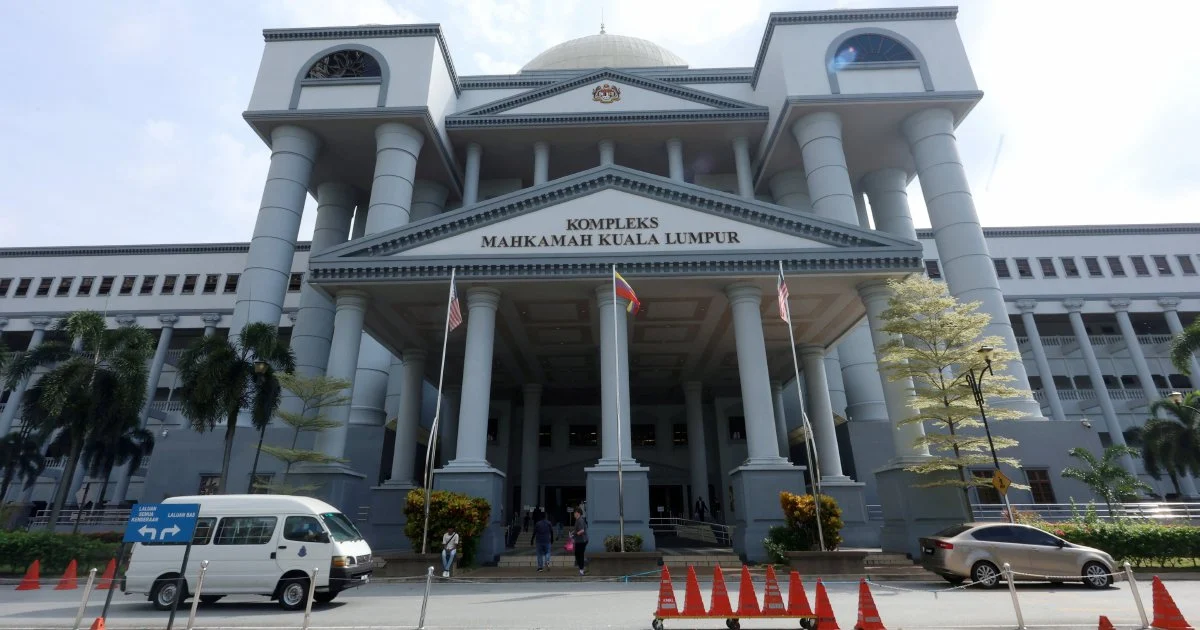
A high-ranking official from a Malaysian statutory body has been brought before the Sessions Court to answer allegations that he solicited and pocketed bribes valued in excess of RM1 million. The chief executive officer faces seven distinct charges related to what authorities claim involved improper payments made in connection with sports facility matters. The case marks another instance of high-level corruption allegations within Malaysia's statutory sector, an area that oversees significant public resources and infrastructure development.
Corruption charges against senior management in government-linked organisations continue to draw public scrutiny and regulatory attention. Such cases demonstrate the persistent challenges facing Malaysia's anti-corruption framework, particularly in sectors managing substantial capital expenditure. The alleged misconduct, if proven, would represent a significant breach of public trust and fiduciary responsibility.
Sports facilities and infrastructure projects frequently attract scrutiny from law enforcement agencies due to the scale of contracts involved and the complexity of procurement processes. The involvement of a statutory body's chief executive in alleged bribery schemes reflects broader concerns about governance standards within these organisations. Public resources dedicated to sports development are intended to benefit communities and advance national athletic programmes, making any diversion through corrupt practices particularly problematic.
The magnitude of the alleged bribes—exceeding RM1 million—suggests systematic rather than isolated impropriety. Multiple charges indicate authorities have gathered evidence pointing to repeated instances of solicitation and acceptance of illegal payments over what may have been an extended period. Such patterns suggest institutional vulnerabilities in oversight mechanisms and approval processes within statutory bodies.
Malaysia's anti-corruption agency, responsible for investigating such matters, has maintained increased focus on statutory bodies and government-linked companies. These organisations, while operating under public mandates, sometimes operate with less transparent governance structures than civil service departments. The investigation leading to these charges reflects enhanced enforcement efforts targeting institutional corruption at senior levels.
The Sessions Court proceedings will be closely monitored by governance advocates and civil society organisations tracking corruption cases. Public interest in such trials extends beyond the immediate legal outcome, with implications for how statutory bodies implement accountability measures and procurement safeguards. Media coverage and public awareness of such cases can serve as deterrents for potential misconduct at other organisations.
Statutory bodies in Malaysia operate across diverse sectors including sports, infrastructure, education, and healthcare. The alleged misconduct in this case raises broader questions about whether existing compliance frameworks and internal controls are adequately designed to detect and prevent corrupt practices. Board governance, audit procedures, and whistleblower protections are typically areas that require examination following such allegations.
The connection to sports facilities suggests the misconduct may have affected development of recreational or athletic infrastructure intended for public use. Such projects require coordination between government agencies, private contractors, and facility operators. Corruption at the approvals stage can compromise project quality, inflate costs, and divert resources from intended community benefits.
For Malaysian readers and regional observers, this case underscores the importance of transparent procurement standards and independent oversight mechanisms in statutory organisations. Southeast Asia broadly faces challenges in controlling corruption within public institutions, making individual cases instructive about systemic vulnerabilities. The outcome of this trial may influence how other statutory bodies strengthen internal controls and staff accountability.
The chief executive's legal representation will presumably argue the prosecution's evidence or challenge the characterisation of transactions as bribes rather than legitimate payments. Defence strategies in such cases often question evidence collection methods, witness credibility, or the actual intentions of parties involved in financial transactions. The court's assessment of documentary evidence and witness testimony will be critical in determining liability.
Beyond the immediate legal proceedings, this case may trigger reviews within the statutory body affected. Management restructuring, enhanced procurement procedures, and strengthened internal audit functions often follow corruption charges against senior officials. Regulatory bodies may also examine whether broader reforms are needed across the statutory sector to prevent similar misconduct elsewhere.
The resolution of these charges carries implications for public confidence in institutional governance. Successfully prosecuting high-level corruption sends messages about accountability, while conviction standards and sentencing approaches shape deterrent effects. Malaysian courts' handling of such cases contributes to evolving jurisprudence on corruption liability within the public sector.