Malaysia's healthcare system faces mounting pressure from an ageing population, yet many senior citizens remain unaware of one of the most effective interventions to maintain their independence and prevent injury. Dr Adibah Ali, owner of FitLab gymnasium in Kuching, is sounding an urgent call for public education on the role of muscle-strength training in reducing falls—a leading cause of hospitalisation and reduced quality of life among older adults.
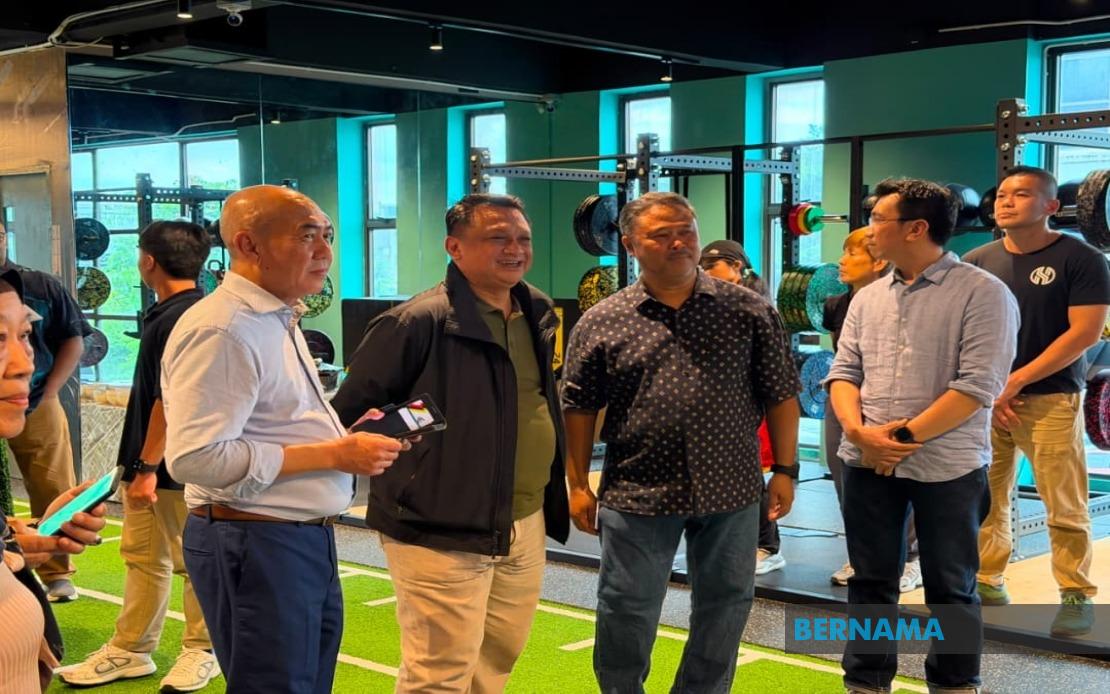
During a royal visit by Tuanku Syed Faizuddin Putra Jamalullail, the Raja Muda of Perlis, Dr Adibah drew attention to the gap between medical evidence and public practice. Her 22 years working in hospital settings have provided ample testimony to the consequences of this knowledge gap. She has witnessed countless elderly patients admitted following falls that resulted in fractures and other serious injuries, each admission representing not merely a medical event but a potential turning point toward frailty and loss of autonomy.
The problem is not one of efficacy but awareness. Despite Malaysia's demographic shift toward an older population, comprehensive information about preventive fitness measures has not penetrated public consciousness at the scale required. Dr Adibah emphasises that the objective is not to transform seniors into bodybuilders but rather to build sufficient strength to maintain bone density, protect joints, and enhance mobility—the very foundations that allow older adults to remain independent.
The practical benefits of consistent muscle-strength training extend far beyond disease prevention. Senior citizens who engage in such programmes find that everyday tasks become more manageable and safer. Climbing stairs, carrying groceries, rising from chairs, and maintaining balance during daily movement all depend on muscular strength and stability. When these deteriorate, simple activities become fraught with hazard, and many elderly individuals retreat into sedentary lifestyles that accelerate further decline.
Recognising this challenge, FitLab plans to develop specialised classes tailored specifically for older adults, acknowledging that standard gym environments may intimidate or prove unsuitable for those with limited experience or existing health conditions. This targeted approach aligns with international best practice in elder fitness programming. Furthermore, the gymnasium intends to forge partnerships with Pusat Aktiviti Warga Emas (PAWE), the national centre for senior citizen activities, to expand reach and leverage existing community networks.
Sarawak Deputy Minister of Youth, Sports and Entrepreneur Development Datuk Gerald Rentap Jabu reinforced the urgency of this agenda, noting that those aged 50 and above constitute an expanding demographic segment in the state. He stressed that activating this population requires multifaceted initiatives beyond simple physical conditioning. Mental engagement proves equally crucial for healthy ageing, and activities such as chess or other cognitively demanding pursuits should be integrated alongside physical programmes to promote comprehensive wellbeing.
The collaborative vision between private fitness facilities, government agencies, and community organisations reflects a pragmatic approach to a nationwide challenge. Malaysia's healthcare infrastructure would benefit significantly from shifting emphasis toward prevention and health maintenance in the elderly population rather than reactive treatment of preventable injuries. A fall-related hip fracture, for instance, often marks the beginning of a cascade of complications—immobility leading to pressure sores, infections, and accelerated cognitive decline—ultimately proving costlier and more tragic than the modest investment in preventive fitness.
Government support for such initiatives remains essential, as many senior citizens face financial barriers to gymnasium memberships. Subsidised or free access to evidence-based strength training programmes through community centres and healthcare facilities would democratise this intervention across socioeconomic strata. The involvement of Datuk Gerald Rentap Jabu signals ministerial recognition of the issue, though sustained political commitment and funding remain necessary to translate awareness into widespread behavioural change.
Southeast Asia broadly faces similar demographic challenges, and Malaysia's experience in developing effective elderly fitness programmes could serve as a model for regional neighbours. Countries throughout the region are grappling with rapidly ageing populations and the consequent strain on healthcare systems, making evidence-based preventive interventions increasingly valuable. Dr Adibah's advocacy represents a significant voice in this broader conversation about how societies can support dignified, independent ageing.
The path forward requires coordination across multiple sectors: healthcare providers must prescribe strength training alongside medical management; community organisations must make programmes accessible and welcoming; government must facilitate partnerships and remove regulatory barriers; and media must help shift public perception of exercise for older adults from optional luxury to essential health practice. Only through such comprehensive effort can Malaysia address the growing epidemic of falls among seniors and enable millions of elderly citizens to maintain the strength, stability, and independence that define quality of life in later years.

