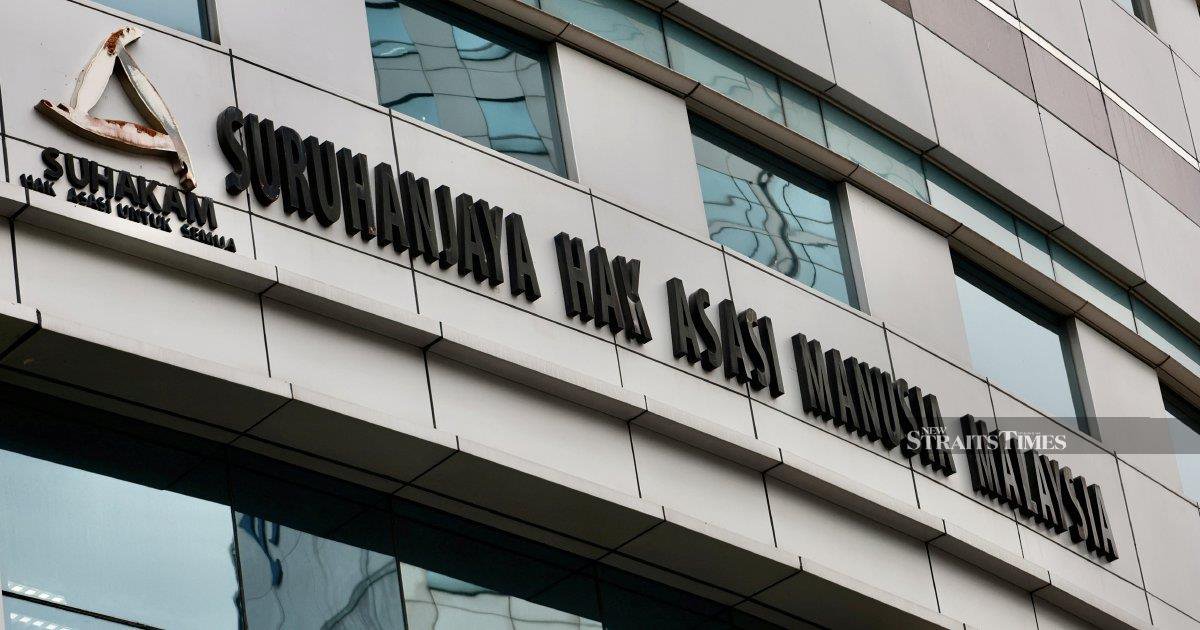
The Human Rights Commission of Malaysia (Suhakam) has signalled alarm at an appellate court decision maintaining the suspension of judicial orders connected to the enforced disappearance investigation involving Pastor Raymond Koh, marking a significant setback in a case that has drawn sustained international scrutiny of Malaysia's commitment to human rights accountability.
The Court of Appeal's choice to keep intact the existing stay—a procedural mechanism that suspends or halts litigation temporarily—represents a critical juncture in a matter that has languished without resolution for years. Pastor Koh, a Christian cleric whose unexplained vanishing occurred in February 2017, became emblematic of concerns regarding extrajudicial detention and state accountability in Malaysia. The decision to maintain the stay effectively freezes efforts to press forward with judicial examination of the circumstances surrounding his disappearance, frustrating activists, legal professionals, and international observers who have monitored the trajectory of this case with mounting concern.
Suhakam's articulation of deep concern reflects the institutional weight that Malaysia's premier human rights body carries in matters touching upon fundamental freedoms and protection of the person. The commission has long positioned itself as guardian of constitutional rights and frequently intervenes in high-profile cases implicating state conduct. By publicly expressing disquiet about the appellate ruling, Suhakam signals that the decision deviates from accepted norms of judicial procedure and human rights jurisprudence that ought to govern enforcement investigations into alleged disappearances.
The maintenance of a stay effectively perpetuates a legal limbo surrounding Pastor Koh's case. While the High Court had previously issued orders—presumably directing renewed investigation or compelling disclosure of information—the appellate court's decision prevents those directives from taking effect. This procedural inertia has troubling implications for accountability, as investigative momentum falters and potential evidence trails grow colder with each passing month. For a nation aspiring to international standing on rule of law matters, the indefinite suspension of judicial proceedings undermines confidence that serious allegations will receive thorough and timely examination.
The case of Pastor Koh occupies unique significance within Malaysia's human rights landscape. His disappearance occurred amid heightened tensions surrounding religious freedom and security operations, with authorities subsequently acknowledging his detention by security agencies before his release weeks later. However, fundamental questions about the lawfulness of his detention, the reasons for his initial seizure, and the fate of his companion remain inadequately addressed. The failure to prosecute those responsible or to establish transparent accountability mechanisms has become emblematic of impunity concerns in Malaysian security governance.
International human rights organizations have maintained sustained attention on this matter, with several issuing statements expressing concern about judicial delays and the apparent frustration of attempts to hold security forces accountable. The appellate court's decision to preserve the stay therefore carries ramifications extending beyond domestic legal procedure—it communicates something about Malaysia's willingness to confront historical cases of alleged state wrongdoing. This has particularly acute significance given Malaysia's recent pledges to strengthen human rights protections and reform security sector practices.
Suhakam's public concern articulation also underscores tensions within Malaysia's institutional framework for rights protection. When the nation's dedicated human rights commission finds cause to voice alarm about court decisions, this itself constitutes a notable event meriting attention from policymakers and the broader public. The commission's intervention suggests that from a human rights perspective, the stay's continuation represents a troubling divergence from acceptable standards of justice administration and victim protection.
The stay mechanism itself, while serving legitimate purposes in certain legal contexts, becomes problematic when indefinitely applied to investigations into serious allegations of state misconduct. Procedurally, stays are designed to prevent wasteful litigation and preserve finality, yet their application to enforced disappearance cases creates inverse incentives—they effectively shield potential wrongdoing from judicial examination and delay accountability indefinitely. In cases touching upon fundamental human dignity and bodily integrity, the equation between judicial efficiency and substantive justice necessarily shifts in favour of ensuring thorough investigation and transparent process.
Looking forward, Suhakam's concern may reverberate through Malaysia's judicial and political establishments. The commission wields influence in raising awareness about human rights deficits and can contribute to shifting public consciousness and official attitudes toward problematic legal outcomes. Whether this public expression of concern catalyzes further action—whether legislative, prosecutorial, or judicial—remains to be seen, but it clearly positions the case within broader conversations about Malaysian governance standards and institutional commitment to human rights protection.
The frozen investigation into Pastor Koh's disappearance thus remains emblematic of larger questions confronting Malaysia's institutional capacity to address historical grievances, confront state accountability, and demonstrate that no security agency operates beyond law's reach. Suhakam's expressed disquiet reflects these deeper stakes, even as the practical consequences of the appellate decision continue unfolding in Malaysian courtrooms and corridors of power.

