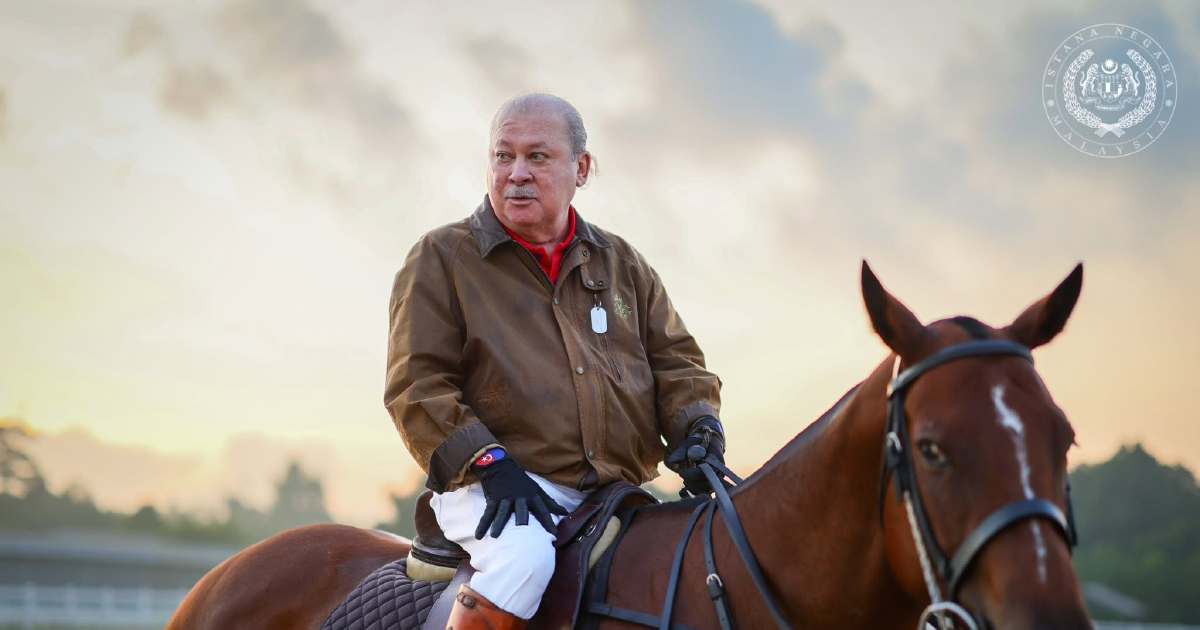
His Majesty Sultan Ibrahim, King of Malaysia, resumed his established morning fitness schedule at the Royal Johor Polo Club situated at Istana Pasir Pelangi in Johor Baru. The riding session demonstrated the sovereign's commitment to sustaining physical wellbeing through equestrian exercise, a discipline that has long been integral to Malaysian royal protocols and traditions.
The morning excursion saw the King engaging in a measured trot, reflecting a disciplined approach to horsemanship that balances exertion with composure. The leisurely pace and relaxed demeanor during the ride underscore the manner in which members of the Royal Household typically approach such recreational activities—not as strenuous athletic pursuits, but as mindful engagements that promote both bodily wellness and mental equilibrium.
The Royal Johor Polo Club, nestled within the Istana Pasir Pelangi compound, stands as one of Malaysia's premier equestrian facilities. Its maintenance of high standards in horse care and riding infrastructure reflects the significant role polo and horse riding have played throughout the nation's royal heritage. The facility continues to serve as a venue where members of the royal family can pursue their equestrian interests while maintaining privacy and security.
Regular physical activity remains essential for individuals in high-demand public roles, and the King's consistent adherence to this morning routine suggests a prioritization of personal health management alongside extensive official responsibilities. Such dedication to wellness practices often sets an example for the broader population, particularly given the increasing focus on preventive health measures across Malaysia and the broader Southeast Asian region.
The significance of maintaining visible engagement with traditional recreational pursuits extends beyond personal wellbeing. Equestrian activities carry symbolic weight within Malaysian royal culture, connecting contemporary sovereigns to historical traditions that have defined the institution for generations. The continuation of such practices reinforces cultural continuity even as the monarchy navigates modern governance challenges.
Johor, as the southernmost peninsular state and historically a powerful sultanate, maintains particular importance within Malaysia's constitutional monarchy framework. The King's regular presence and activity within state venues like the polo club strengthens the connection between the federal crown and regional royal structures, demonstrating the integrated nature of Malaysia's tiered sovereignty system.
Physical fitness routines undertaken by heads of state often receive public attention because they reflect broader governance priorities. In Malaysia's case, the emphasis on personal wellness by the King may implicitly reinforce national health agendas, particularly given ongoing concerns about sedentary lifestyles and non-communicable diseases affecting the population.
The structured nature of the morning schedule, with its consistency and measured approach, mirrors the disciplined protocols that characterize official royal life. Such routines provide stability and predictability within roles that otherwise demand considerable flexibility in responding to national events and international engagements.
Among Southeast Asian monarchies, commitment to visible personal fitness and traditional recreational pursuits carries particular resonance. As regional societies grapple with modernization pressures, royal engagement with heritage practices—whether equestrian or otherwise—communicates messages about cultural preservation and the compatibility of tradition with contemporary governance.
The maintenance of such activities also reflects institutional confidence and normalcy, signaling to both domestic and international observers that the machinery of state functions smoothly and that senior officials continue their established patterns without disruption. In times of significant political or economic developments, such visual continuity can carry reassuring weight.
For Malaysian polo enthusiasts and equestrian communities, royal patronage of facilities like the Johor Polo Club remains vital for sustaining interest and investment in these specialized sports. The visible engagement of the King with such venues underscores their continuing importance within the nation's recreational landscape and justifies their operational and maintenance demands.
Looking forward, the regularity with which the King pursues such activities will likely continue serving dual purposes: maintaining personal health standards befitting the demands of high office while simultaneously reinforcing cultural narratives about royal duty, discipline, and the timeless appeal of Malaysia's equestrian traditions.