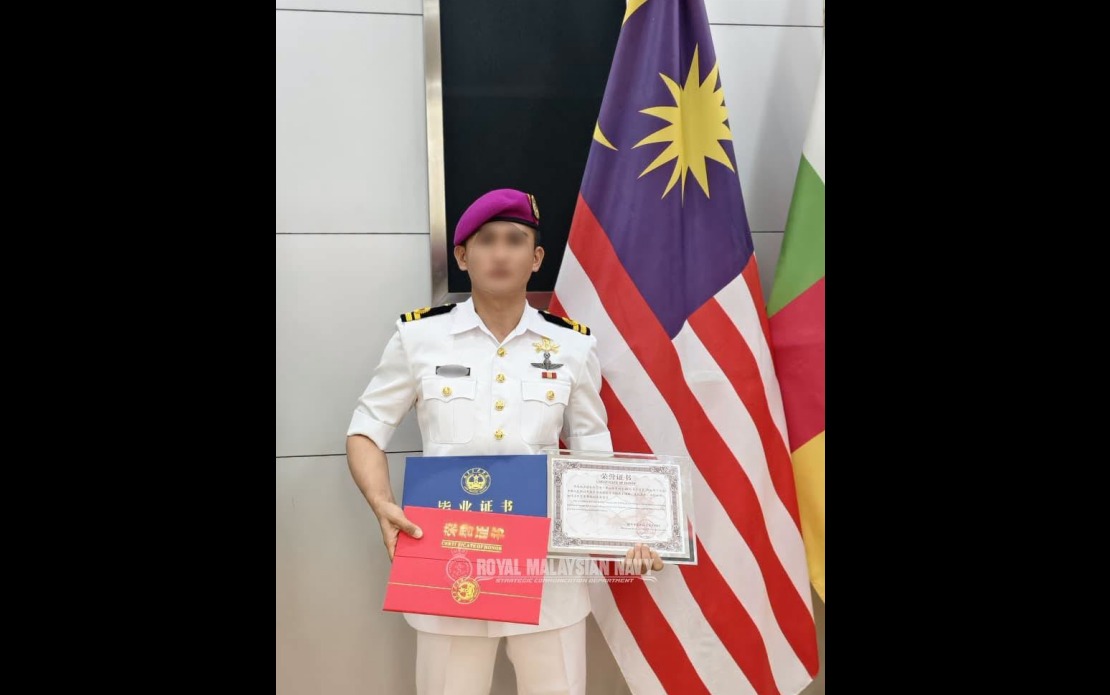
Sultan of Selangor Sultan Sharafuddin Idris Shah has publicly commended a member of the Royal Malaysian Navy's elite PASKAL unit for achieving top honours at an advanced sniper infantry course conducted in Hebei, China. The recognition underscores Malaysia's ongoing defence cooperation with Beijing and highlights the calibre of training available through international military partnerships that complement domestic programmes.
The officer completed the rigorous five-month Sniper Infantry Course at the PLA Infantry Academy's Shijiazhuang Campus between March and July, distinguishing himself among a highly competitive international cohort. His elevation to overall first place among 131 participants drawn from more than two dozen nations represents a significant achievement in the field of military marksmanship and tactical precision.
As Captain-in-Chief of the Royal Malaysian Navy, Sultan Sharafuddin expressed considerable pride in the accomplishment, noting that such excellence reflects well on Malaysia's maritime defence capabilities and its personnel. The Sultan's personal endorsement carries particular weight within military circles, signalling institutional recognition of the officer's contribution to naval professionalism and combat readiness.
Beyond the primary award, the PASKAL member received additional credentials reflecting his comprehensive performance throughout the course duration. The Certificate of Honors designation for Excellent Cadre, coupled with a Silver Badge Medal, demonstrated consistent achievement across multiple assessment criteria rather than success in isolated examinations. This multifaceted recognition suggests competency spanning technical shooting skills, tactical knowledge, physical conditioning, and adherence to military discipline.
The composition of the student body at the Shijiazhuang course reflects broader geopolitical trends in Asia-Pacific military engagement. The presence of 24 countries suggests that China views the PLA Infantry Academy as a platform for expanding defence relationships across the region and beyond. Malaysia's participation in such training pipelines represents a pragmatic approach to defence capabilities, where officers gain exposure to different doctrines, techniques, and international best practices while building professional networks.
For PASKAL specifically, the achievement carries strategic implications. The unit operates as the RMN's principal special forces capability, responsible for sensitive maritime operations including counter-terrorism, sabotage prevention, and reconnaissance. Personnel capable of executing precision sniper operations enhance the force's operational flexibility and tactical options in protecting Malaysia's extensive maritime interests, particularly within the South China Sea and territorial waters.
Sultan Sharafuddin's statement also extended recognition to Admiral Tan Sri Dr Zulhelmy Ithnain, the RMN Chief, and the broader PASKAL and naval personnel complement. This broader commendation reflects an understanding that individual excellence emerges from institutional support systems, rigorous selection processes, and sustained professional development programmes. The naval leadership's commitment to sending personnel for advanced training abroad indicates confidence in the benefits of international exposure and determination to maintain world-class standards.
The timing of this public recognition in August carries administrative significance within Malaysian military culture. Official acknowledgement from the Selangor Sultan serves to formally document the achievement within institutional records and sets an example for other naval personnel pursuing advanced qualifications. Such recognition systems function as motivation mechanisms, encouraging officers to pursue demanding courses and demonstrating that exceptional performance receives appropriate acknowledgement at senior levels.
From a broader defence policy perspective, the course result reinforces Malaysia's strategy of selective participation in international military training programmes. Rather than developing every capability domestically, Malaysian defence planners identify specific skill areas where external training delivers superior results or fills capability gaps. Advanced sniper instruction from China's military academy represents a conscious choice within a diversified training portfolio that includes partnerships with traditional allies and emerging defence relationships.
The PASKAL unit's track record of international training success builds institutional prestige and supports recruitment and retention of high-calibre military professionals. Officers who undergo challenging international courses often serve as force multipliers upon return, mentoring colleagues and implementing enhanced techniques across the organisation. The individual's accomplishment therefore extends beyond personal achievement to potentially elevate standards across the wider naval commando structure.
Looking forward, such successes create templates for expanded cooperation in specific military domains. The prominence given to the sniper course achievement may encourage future participation in similar PLA-administered programmes, establishing predictable patterns of military-to-military engagement. For Malaysia, deepening defence ties with China across training and professional development represents one dimension of a multifaceted security strategy aimed at maintaining regional stability and maritime security.

