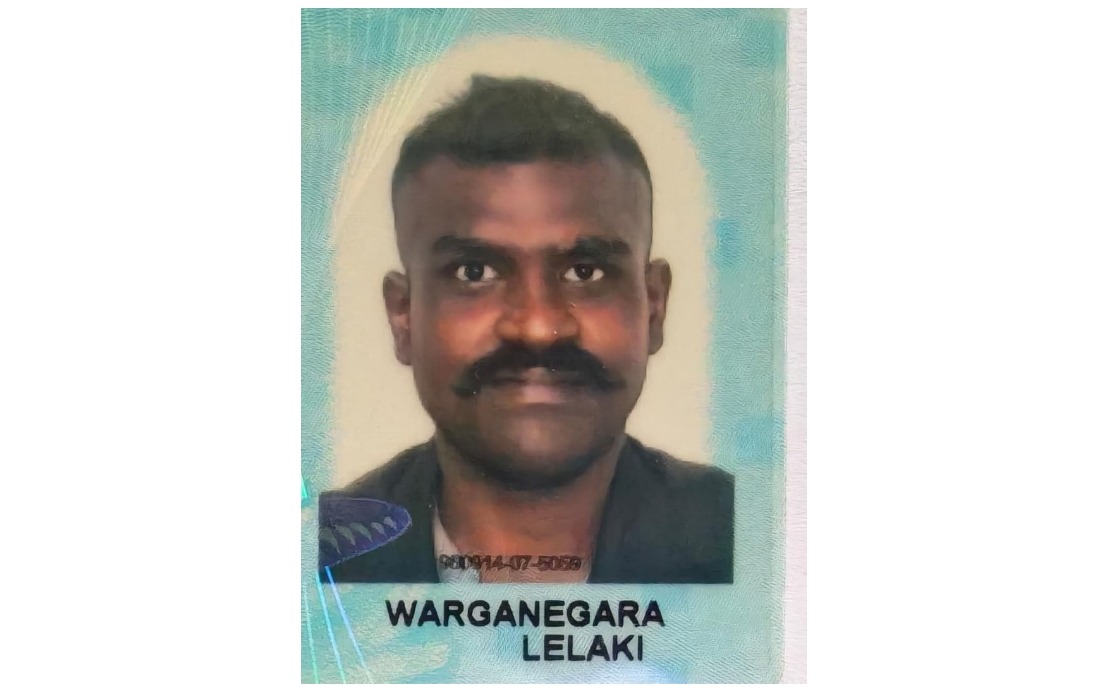
Sungai Bakap Hospital in Nibong Tebal has launched a public appeal to locate the family or next of kin of M. Balakrishnan, 29, who succumbed to a serious medical condition on August 10 after an extended stay at the facility. With no relatives having come forward since his death and no known contacts in his records, hospital authorities have turned to the community for assistance in resolving matters pertaining to his remains.
The patient died at 6:53 pm in Ward 3 from severe sepsis complicated by multi-organ failure. His body is currently being held at the hospital's Forensic Medicine Unit as officials attempt to trace his family members. The circumstances surrounding Balakrishnan's condition and his presence at the hospital reveal a case of extreme vulnerability, as he had been homeless and dependent on institutional care since being transferred from another facility.
Balakrishnan was first admitted to Bukit Mertajam Hospital before being transferred to Sungai Bakap Hospital on May 27. The transfer was part of a process to arrange his placement at a residential facility managed by the Social Welfare Department, pending his recovery or long-term care arrangements. However, during his three-month stay at the hospital, no family members, acquaintances, or visitors came to see him, suggesting a complete absence of social support networks or family ties.
Hospital authorities and staff made concerted efforts to identify his relatives by conducting enquiries through the National Registration Department, which provided a last known address of No. 19, Jalan Sungai Buloh, Taman Segar, Kampung Baru Subang in Selangor. However, when police visited the premises, they discovered the address was occupied by a Malay family with no connection to Balakrishnan and no knowledge of his whereabouts or family background. This discovery further complicated the search for his relatives.
The case highlights a critical gap in Malaysia's social safety net for vulnerable populations. Homelessness remains a persistent urban challenge in Malaysian cities, and individuals without stable housing or family support often fall through institutional cracks. When such individuals require hospitalisation, the burden of care typically falls on government facilities and social welfare agencies, yet tracing their families or determining appropriate post-discharge placements can prove extremely difficult.
For Sungai Bakap Hospital, the situation presents both a practical and ethical dilemma. Under Malaysian law and hospital protocols, unclaimed remains must be handled with proper respect and dignity, but without family identification, decisions regarding burial or funeral arrangements cannot be finalised. The hospital cannot proceed with cremation or other final disposition without either locating relatives or following legal procedures for unclaimed bodies, which typically involve waiting periods and official notification processes.
The appeal to the public represents a last resort for the hospital, reflecting the limits of official databases and institutional records in tracing individuals who may have lost contact with their families through migration, estrangement, or displacement. Balakrishnan's case is not unusual in Malaysian hospitals, where social workers regularly encounter patients with minimal or no family contact, particularly among migrant workers, street dwellers, and individuals with complex personal histories.
For Malaysian readers, this situation underscores the importance of maintaining proper identification documents and keeping updated records with family members, even in cases of estrangement or separation. It also reflects on the broader challenges facing Malaysia's social welfare infrastructure in providing integrated care for homeless populations, from initial outreach and healthcare through to successful reintegration or appropriate long-term placement.
Members of the public who may have information regarding Balakrishnan or his family are encouraged to contact Sungai Bakap Hospital directly. Even partial information—a surname variation, a previous address, or a name of an acquaintance—could prove valuable in locating relatives. The hospital's appeal demonstrates how community engagement remains essential when institutional systems and government databases cannot resolve individual cases.
The case also raises questions about how Malaysia's healthcare and social services sectors can better collaborate to support homeless patients during hospitalisation and facilitate smoother transitions to appropriate care environments. As urbanisation continues and family structures become more dispersed, hospitals may need to expand their social work capabilities and community liaison functions to prevent similar situations in future.

