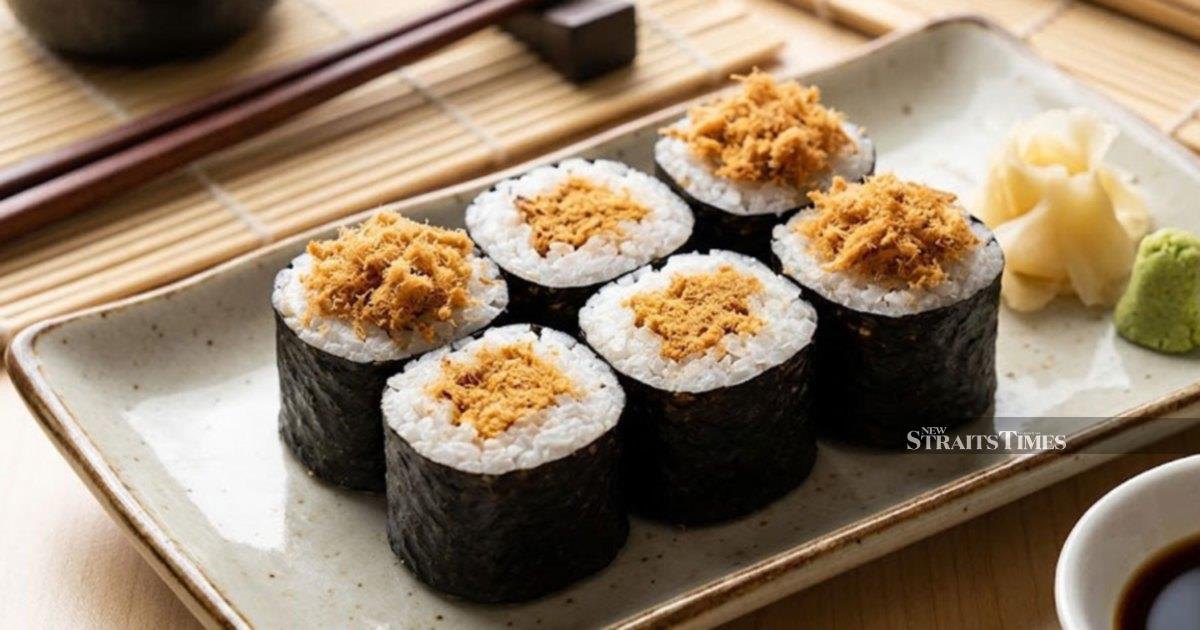
A trader operating at a Ramadan bazaar in Setiu has been handed a RM700 fine following his admission to selling sushi tainted with harmful bacteria, underscoring persistent food safety challenges during Malaysia's peak festive trading season. The magistrate's court in Setiu issued the penalty after the vendor entered a guilty plea, marking another instance where consumers face health risks from inadequately handled food products at popular night markets.
Ramadan bazaars have become iconic features of Malaysia's cultural landscape, drawing families and individuals seeking affordable meals to break their fast from sunrise to sunset. These temporary marketplaces operate across residential neighbourhoods and town centres throughout the Muslim-majority nation, generating significant economic activity and providing casual traders with seasonal income opportunities. However, the high volume of transactions combined with often limited food storage facilities and oversight mechanisms creates an environment where hygiene standards can deteriorate rapidly, particularly for perishable items like seafood products.
Sushi and other raw or lightly cooked seafood preparations present heightened contamination risks compared to thoroughly cooked alternatives. Bacteria such as Listeria monocytogenes, Vibrio species, and Salmonella can proliferate quickly in sushi rice and raw fish when temperature control lapses or when cross-contamination occurs during preparation. The incident in Setiu exemplifies how even small lapses in food handling protocols can result in public health violations, especially in informal market settings where refrigeration capacity may be stretched and rigorous sanitation practices difficult to maintain consistently.
Malaysian authorities have progressively strengthened enforcement mechanisms against food safety violations, recognising that outbreaks linked to contaminated bazaar food can spread rapidly through families and communities. The local health department and municipal councils typically conduct surprise inspections during Ramadan, though resource constraints sometimes limit the frequency and thoroughness of such checks. The fine imposed on the Setiu vendor represents the court system's role in deterring future breaches and signalling that food safety negligence carries financial consequences.
For consumers, the Setiu case serves as a reminder to exercise caution when purchasing ready-to-eat items from bazaar stalls, particularly those requiring careful temperature management. Checking whether vendors display food handling certificates, observing hygiene practices firsthand, and avoiding vendors whose display cases lack adequate cooling equipment remain practical precautions. Ramadan bazaars operate under time pressure, with traders rushing to serve large crowds during limited hours, sometimes at the expense of meticulous food safety routines.
The broader context reveals systemic challenges within Malaysia's informal food economy. Many seasonal traders operate with minimal formal training in food safety protocols, relying instead on inherited practices or unguided experience. Educational initiatives targeting bazaar vendors have expanded in recent years, though uptake remains inconsistent. Some state health departments offer free or subsidised food handling courses, yet participation rates among informal traders remain lower than health officials would prefer, partly because vendors prioritise immediate income over preventive training during peak seasons.
Ramadan bazaar culture reflects a tension between accessibility and safety. Affordable food options in dedicated bazaars make breaking the fast financially viable for lower-income families, yet this affordability sometimes comes at the cost of sophisticated food storage and preparation facilities. Distinguishing between licensed commercial establishments and informal vendors can be challenging for consumers, as bazaar environments blend both categories without always making regulatory status obvious.
The fine imposed in Setiu aligns with Malaysia's Food Act and food safety regulations, which apply equally to formal restaurants and bazaar traders. However, enforcement consistency varies across states and enforcement months. During Ramadan, health authorities typically prioritise high-traffic bazaars in urban and suburban areas, while smaller communities sometimes receive less frequent oversight. This uneven enforcement pattern means that safety compliance depends partly on local authority capacity and prioritisation rather than uniform national standards.
For Malaysian traders, incidents like the Setiu case underscore the importance of maintaining strict food safety protocols to protect both consumers and their own livelihoods. A single contamination event can damage a vendor's reputation and customer base irreparably, extending consequences far beyond any court fine. Building trust through visible hygiene practices—including proper waste disposal, handwashing stations, and appropriate temperature control—represents sound business practice alongside legal obligation.
Government agencies have increasingly partnered with trade associations representing bazaar vendors to promote safety awareness without imposing prohibitively expensive compliance costs. These collaborative approaches recognise that most traders share health authorities' interest in protecting consumers while maintaining viable businesses. Subsidised access to approved food storage equipment and streamlined certification processes could encourage broader compliance.
Looking forward, the trajectory of food safety in Ramadan bazaars will likely depend on sustained enforcement paired with practical support for traders transitioning toward higher standards. Mobile refrigeration units, shared facility initiatives, and simplified training programmes tailored to informal traders represent policy options already being explored in some Malaysian states. Consumer awareness campaigns emphasising the importance of verifying vendor credentials could simultaneously incentivise traders to maintain certifications and empower buyers to make safer choices.
The RM700 fine against the Setiu trader carries implications extending beyond that individual violation. It reinforces that Malaysian courts take food safety seriously and will punish negligence that endangers public health. For bazaar shoppers throughout the country, the case represents both a cautionary reminder and evidence that regulatory mechanisms exist, however imperfectly applied. As Ramadan bazaars remain essential to Malaysian community life and consumer budgets, embedding safety excellence within their operations demands continued focus from authorities, traders, and the purchasing public alike.

