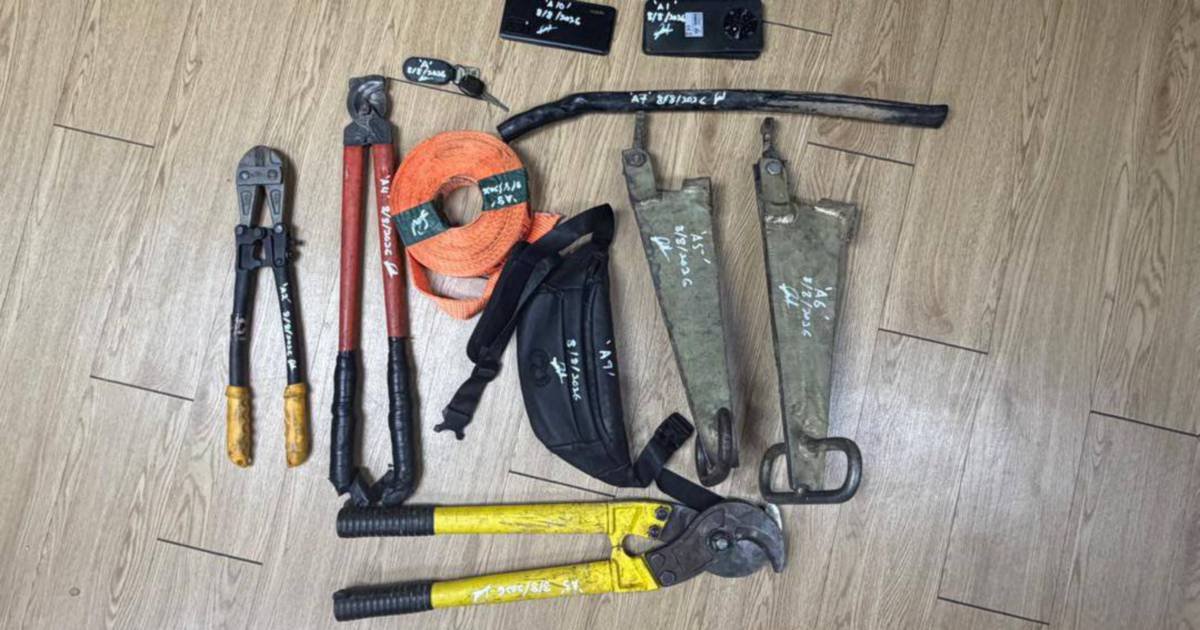
A man wanted in connection with a series of cable theft incidents in Melaka found himself at the centre of an intense manhunt across multiple districts when he attempted to evade police custody early today. The suspect, whose vehicle was spotted by officers conducting routine patrols, triggered a high-speed pursuit that stretched nearly 50 kilometres through the state before coming to a dramatic halt in Sungai Chohong, Jasin, when the fleeing vehicle struck a support cable infrastructure. The incident highlighted the escalating problem of metal and cable theft across Malaysia's industrial and utility sectors, which has increasingly disrupted essential services and imposed significant repair costs on utility providers and businesses throughout the peninsula.
Theft of copper and aluminium cables has emerged as a persistent issue affecting telecommunications networks, electrical distribution systems, and transportation infrastructure across Southeast Asia. The materials fetch reasonable prices in the scrap metal market, creating incentives for organised theft rings and opportunistic criminals to target high-value installations. In Melaka's case, the suspect's alleged activities appear connected to a broader pattern of industrial theft that authorities have been monitoring closely. The pursuit itself demonstrates the risks posed when suspects attempt to escape apprehension by vehicle, endangering both law enforcement personnel and innocent road users travelling during early morning hours when traffic volumes are generally lighter.
Police operations in the state have intensified following reports of escalating cable and metal theft affecting utility companies and private businesses. The chase itself represents a significant enforcement response, with officers pursuing the suspect across considerable distances to effect his arrest. The vehicle's collision with the support cable in Jasin brought the dramatic pursuit to its conclusion, though authorities have not disclosed whether the impact caused significant structural damage or posed safety risks to nearby infrastructure. The use of vehicular force by police in apprehending suspects fleeing on foot or by vehicle remains a subject of careful consideration, balancing the imperative to arrest suspected criminals against community safety concerns.
The arrest comes amid broader concern within Malaysian law enforcement agencies about organised metal and cable theft networks that operate across state lines and regional boundaries. These criminal operations have developed increasingly sophisticated methods for identifying vulnerable installation sites, executing thefts with minimal detection, and rapidly disposing of stolen materials through established channels to recycling facilities and scrap dealers. Intelligence suggests that some operations involve multiple individuals with divided responsibilities, from reconnaissance to extraction and sales, making them challenging to dismantle through conventional enforcement approaches.
Utility companies operating in Melaka and throughout Malaysia have invested significantly in security measures to protect their installations and infrastructure from theft. These precautions include improved fencing, surveillance systems, GPS tracking on vulnerable equipment, and enhanced coordination with local police. Despite these investments, determined thieves continue to target high-value installations, particularly in less populated areas where detection risks are minimised. The economic impact extends beyond the immediate loss of stolen materials, as disrupted services force service providers to undertake emergency repairs that interrupt business operations and inconvenience consumers relying on telecommunications and electrical supplies.
From a regional perspective, cable theft represents a challenge affecting multiple Southeast Asian nations simultaneously. Countries including Indonesia, Thailand, and the Philippines have reported similar incidents involving organised theft rings operating across jurisdictional boundaries. The problem reflects both the global demand for recyclable metals and the relative ease with which thieves can exploit inadequately secured installations. Law enforcement agencies throughout the region have increasingly recognised the need for coordinated responses involving intelligence sharing, joint operations, and mutual assistance agreements to effectively combat transnational theft networks.
The specific circumstances surrounding today's incident in Melaka remain under investigation, with police yet to disclose details regarding the suspect's background, the extent of the alleged theft operations, or how many incidents may be attributed to his activities. The support cable that the fleeing vehicle struck in Sungai Chohong requires assessment for damage, with potential implications for whatever infrastructure it supports. The pursuit itself raises questions about the adequacy of current enforcement resources and operational protocols governing vehicle chases through populated and semi-populated areas.
For Malaysian authorities, the arrest underscores the importance of vigilance and rapid response capabilities when addressing property crimes that extend beyond individual incidents to suggest organised patterns. The pursuit distance of nearly 50 kilometres indicates the suspect's determination to avoid apprehension and suggests possible awareness of potential consequences should police succeed in capturing him. Cooperation between different police units and rapid information sharing across districts clearly played a significant role in ultimately apprehending the suspect before he could disappear into the community or cross into adjacent states.
The case serves as a reminder of the persistent challenges facing Malaysian law enforcement in combating theft of industrial materials and utility infrastructure. While individual arrests represent important enforcement successes, systematic reduction of cable and metal theft requires comprehensive approaches addressing supply-side controls through stricter scrap metal dealer regulations, demand reduction through improved industrial security standards, and continued community awareness about the impacts of such criminal activity. Ongoing investigations into the suspect's alleged activities may reveal connections to other theft incidents and individuals involved in organised operations, potentially enabling authorities to dismantle broader criminal networks targeting critical infrastructure and essential services throughout Melaka and neighbouring states.

