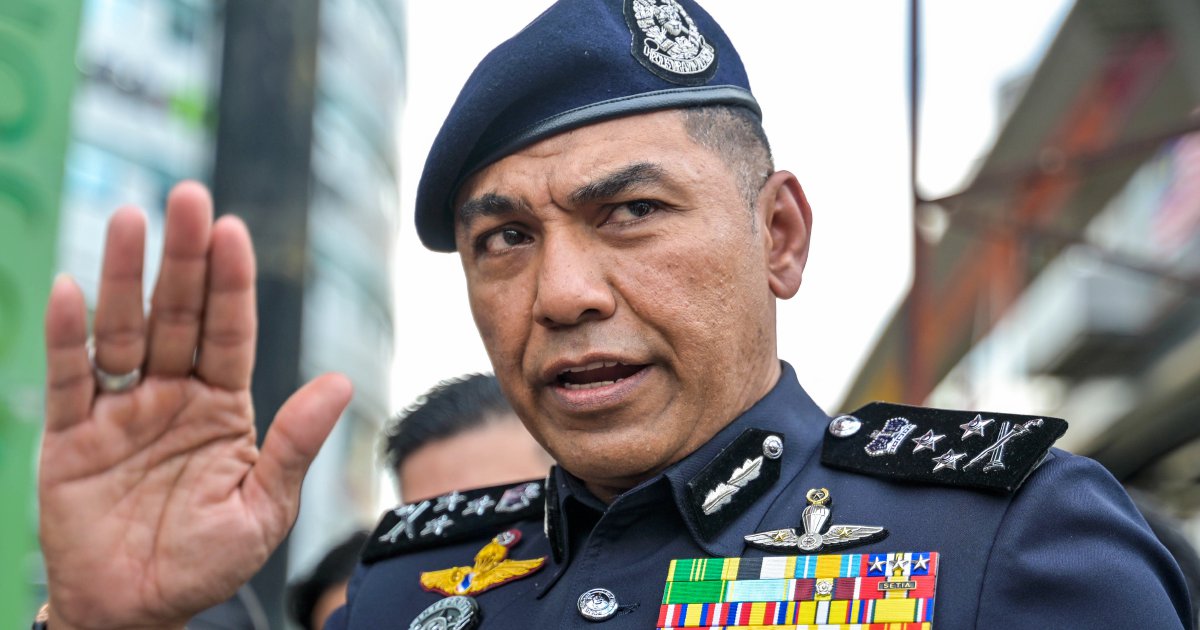
Kuala Lumpur police have arrested three men following an early morning enforcement operation at a residential condominium in Sentul, with one of the detainees suspected of playing a key role in organising unlicensed motorcycle racing activities. The arrests came after the men attempted to flee when officers moved in to conduct the operation, highlighting ongoing challenges authorities face in tackling the underground drag racing scene in the capital.
Illegal motorcycle racing, colloquially known as illegal 'jockey' operations, remains a persistent problem across Malaysia's urban centres. These street racing activities often involve modified high-powered motorcycles and are frequently associated with noise complaints, traffic disruptions, and safety hazards to the public. The practice has drawn particular concern from enforcement agencies, who view it not only as a traffic violation but as part of a broader pattern of youth involvement in organised informal activities that can lead to more serious criminal behaviour.
The term 'jockey' in this context refers to individuals who coordinate and organise illegal street racing events, managing participants, collecting fees, and arranging meet-ups at designated locations. These organisers operate networks that use social media platforms and encrypted messaging applications to communicate with members, making detection and investigation considerably more difficult for authorities. The Sentul operation suggests police are employing more targeted intelligence-gathering methods to disrupt these networks at source.
Unlawful motorcycle racing poses significant dangers to both participants and unsuspecting members of the public. Riders typically operate in the early morning or late evening hours when traffic volume is lighter, often targeting highways, expressways, and less-monitored residential areas. Beyond the immediate safety risks of high-speed racing on public roads, these activities contribute to noise pollution and can disturb residents in surrounding neighbourhoods. Insurance liability also becomes complicated when accidents involving illegal racers occur, as coverage may be invalidated.
The enforcement operation in Sentul reflects a wider policing strategy aimed at disrupting motorcycle racing networks before they expand further. Rather than focusing solely on individual riders caught during the act, authorities increasingly target the organisational structure behind these activities. Identifying and apprehending suspected 'jockeys' represents an attempt to dismantle the coordination layer that enables regular street racing meet-ups and races to occur systematically across major urban areas.
Roadside enforcement initiatives, while important, have proven insufficient to curb the trend. The reactive nature of traditional traffic policing means officers often respond only after racing has already occurred or when public complaints arise. By contrast, intelligence-led operations like the Sentul raid aim to prevent activities from happening altogether by dismantling the networks that facilitate them. This proactive approach requires coordination between different police units and the gathering of advance information about planned events.
Malaysia's transportation safety authorities have emphasised that illegal racing creates substantial risks beyond the immediate participants. Bystanders, regular commuters, and pedestrians can become caught in dangerous situations when high-speed racing activity occurs in populated or congested areas. The unpredictability inherent in street racing—uncontrolled speeds, unregulated route selection, and the absence of safety protocols—distinguishes it fundamentally from properly sanctioned motorsports events held at dedicated racing facilities with proper safety infrastructure and medical support.
The arrests in Sentul come at a time when state and federal authorities across Malaysia are intensifying focus on transportation and road safety issues. With motorcycles accounting for a disproportionate share of road fatalities and injuries, initiatives targeting dangerous riding behaviour and organised illegal racing have gained momentum. The Kuala Lumpur City Council and local police districts have also reported increasing numbers of public complaints regarding late-night racing noise and disruptions, particularly in residential neighbourhoods.
The investigation into the three arrested men will likely proceed to determine their specific roles within the racing network and identify connections to other participants and organisers. Police will examine their mobile devices, communications records, and financial transactions to map the wider structure of the illegal racing operation. Such evidence can help establish patterns of activity and identify locations where racing events are regularly staged, supporting future enforcement efforts.
For Malaysian residents concerned about illegal motorcycle racing in their areas, reporting suspicious activity to local police remains an important step. Information about planned racing events, regular gathering locations, and individuals involved can assist enforcement agencies in planning targeted operations. However, community cooperation alone cannot solve the issue; sustained police commitment, coordination between agencies, and public education about the dangers of illegal racing are all necessary components of an effective strategy.
The Sentul operation demonstrates that law enforcement agencies are taking the problem seriously and allocating resources to disrupt these networks. Yet the persistence of illegal racing suggests deeper factors—including the appeal of unregulated motorsport culture among certain youth demographics and the insufficient availability of legitimate, affordable venues for motorcycle enthusiasts—also merit consideration. Any comprehensive response to the problem will likely need to combine effective enforcement with alternative channels for motorcycle enthusiasts to pursue their interest in controlled environments.

