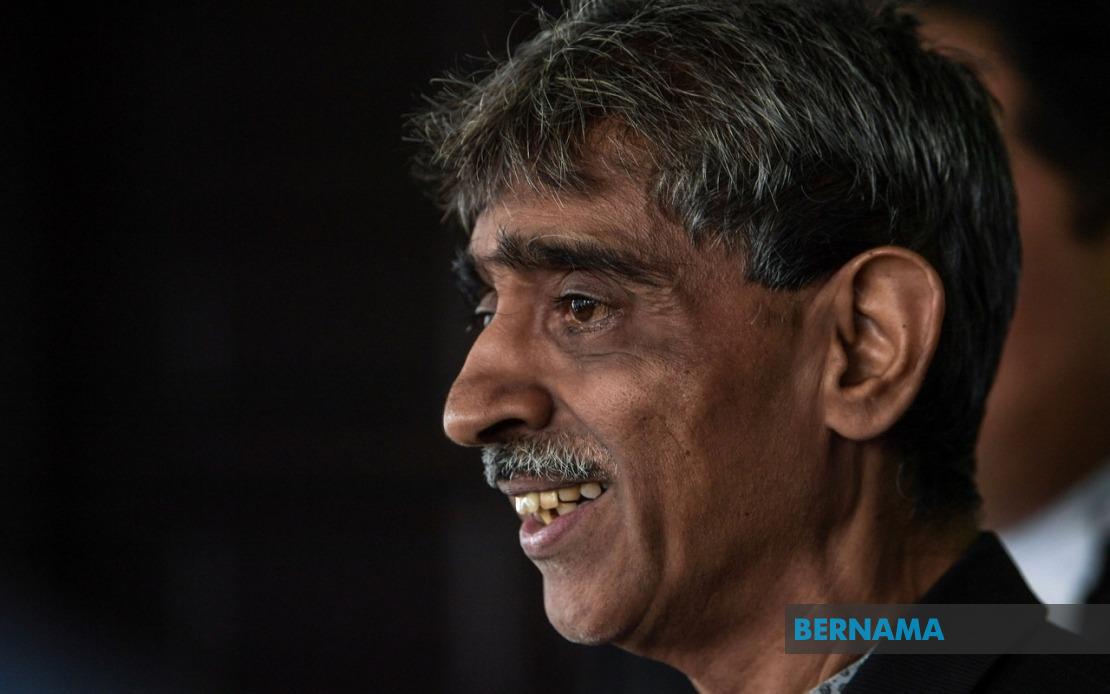
Criminal prosecutions stemming from the Tabung Haji Royal Commission of Inquiry must proceed without delay once investigators have amassed sufficient evidence, according to Mohamed Haniff Khatri Abdulla, a lawyer who participated in the RCI proceedings. He emphasized that decisive action—irrespective of an accused individual's position or standing—is essential for translating the inquiry's recommendations into enforceable legal outcomes and rebuilding depositor confidence in the nation's pilgrimage fund.
The urgency reflects growing public concern over governance failures and alleged financial misconduct within Tabung Haji. Mohamed Haniff stressed that once investigations conclude and official determinations rest on solid evidentiary foundations, criminal measures must follow promptly to demonstrate state commitment to accountability. He argued that swift action in straightforward cases would boost public trust and accelerate the practical implementation of RCI findings that have attracted significant national scrutiny.
However, the lawyer cautioned that authorities should avoid creating misleading impressions of a comprehensive resolution. Prosecuting individuals in particular matters does not signal the end of wider investigations stemming from the RCI report; rather, authorities should communicate progress in sequential stages to help the public understand that charges reflect completed investigative strands where evidence meets legal thresholds. This staged approach becomes critical for managing perceptions and preventing future claims that prosecutions merely reflect political calculations or ministerial shifts.
Mohamed Haniff recommended that government and law enforcement agencies issue periodic public statements explaining that multiple investigations remain active alongside any prosecutions. Such transparency would clarify that pursuing charges against certain parties represents partial completion of a much larger investigative canvas. Without such communication, he warned, the public might eventually conclude—particularly after several years—that new prosecutions reflect governmental changes rather than genuine accountability mechanisms grounded in investigative findings.
The scope and complexity of the Tabung Haji investigation justify realistic timelines for completion. The Royal Malaysia Police and Malaysian Anti-Corruption Commission have summoned approximately 200 individuals to provide statements, reflecting the breadth of scrutiny required across governance structures, investment practices, and potential legal breaches. Such scale necessarily extends investigative periods beyond conventional criminal matters, requiring methodical examination of multiple institutional layers and financial transactions.
Mohamed Haniff projected that investigations will require a minimum of three to six additional months beyond their current status. This timeline reflects not bureaucratic inefficiency but the genuine complexity inherent in examining an institution as large and operationally intricate as Tabung Haji. Multiple investigative agencies with differing procedural protocols must coordinate their work, comparing findings and ensuring evidentiary consistency before forwarding cases for prosecutorial evaluation.
To enhance investigative efficiency, Mohamed Haniff proposed that the Attorney General's Chambers establish a specialized unit dedicated exclusively to assessing investigation papers submitted by both PDRM and MACC regarding the Tabung Haji RCI. This unit should comprise three Deputy Public Prosecutors with substantial experience handling Malaysian Anti-Corruption Commission cases and traditional criminal law matters. Such specialization would enable integrated evaluation of evidence across both agencies' distinct investigative methodologies, reducing procedural friction and accelerating prosecutorial decision-making.
Former Court of Appeal judge Datuk Yaacob Md Sam reinforced these perspectives, emphasizing that RCI findings cannot themselves constitute prosecutorial grounds. As a conducting officer and secretary in multiple inquiries—including investigations into the Butterworth ferry terminal jetty collapse—Yaacob possesses direct experience with limitations on RCI authority. Under the Commissions of Inquiry Act 1950, RCI reports lack legal binding force and cannot function as admissible evidence in criminal or civil court proceedings, regardless of their comprehensiveness or judicial rigor.
This legal constraint means enforcement agencies must essentially duplicate investigative work independently, gathering admissible testimony and documentary evidence suitable for courtroom presentation. An RCI functions within its government-defined terms of reference, producing findings and recommendations for subsequent action; it does not generate evidence meeting evidentiary standards for criminal adjudication. Consequently, PDRM and MACC must re-examine all aspects in granular detail, determining independently whether specific criminal violations occurred warranting legal action.
Yaacob emphasized that authorities must conduct thorough investigation across all material dimensions—governance arrangements, investment decisions, financial controls, and personnel conduct—to establish whether any offences warrant prosecution. This requirement reflects constitutional protections and legal procedure principles; the mere existence of an RCI report does not substitute for conventional investigative rigor and evidentiary development. Investigators must independently establish facts, motives, and criminal intent through witness testimony, documentary analysis, and forensic examination appropriate to each accused's specific circumstances.
For Malaysian depositors and the broader public, these procedural and evidentiary requirements suggest that Tabung Haji accountability will unfold incrementally rather than through dramatic mass prosecutions following RCI publication. While public frustration with institutional failures is understandable, legal systems require evidence meeting statutory standards before criminal liability attaches to individuals. The intersection of multiple investigative agencies, different procedural frameworks, and Malaysia's constitutional protections necessarily extends the timeline between RCI publication and prosecutorial outcomes.
The Tabung Haji case illustrates broader challenges confronting accountability mechanisms in large public institutions. Inquiries can expose systemic failures and recommend reforms, but translating findings into prosecutions demands separate, rigorous investigative processes meeting judicial standards. Public communication during this interval becomes crucial; without transparent updates explaining investigative progress and realistic timelines, even well-founded prosecutions may appear politically motivated. The government's handling of Tabung Haji investigations will likely establish precedents for future institutional accountability inquiries across Malaysia's public sector.
Ultimately, the emphasis on procedural rigor and evidentiary foundations reflects constitutional and legal values protecting individual rights even within accountability frameworks addressing institutional corruption. Swift justice must remain subject to evidential sufficiency and due process requirements, balancing public demand for accountability against legal protections inherent in Malaysia's system. The proposed specialized prosecutorial unit and staged communication strategy represent pragmatic approaches to achieving both objectives—advancing genuine accountability while maintaining legal and procedural integrity.

