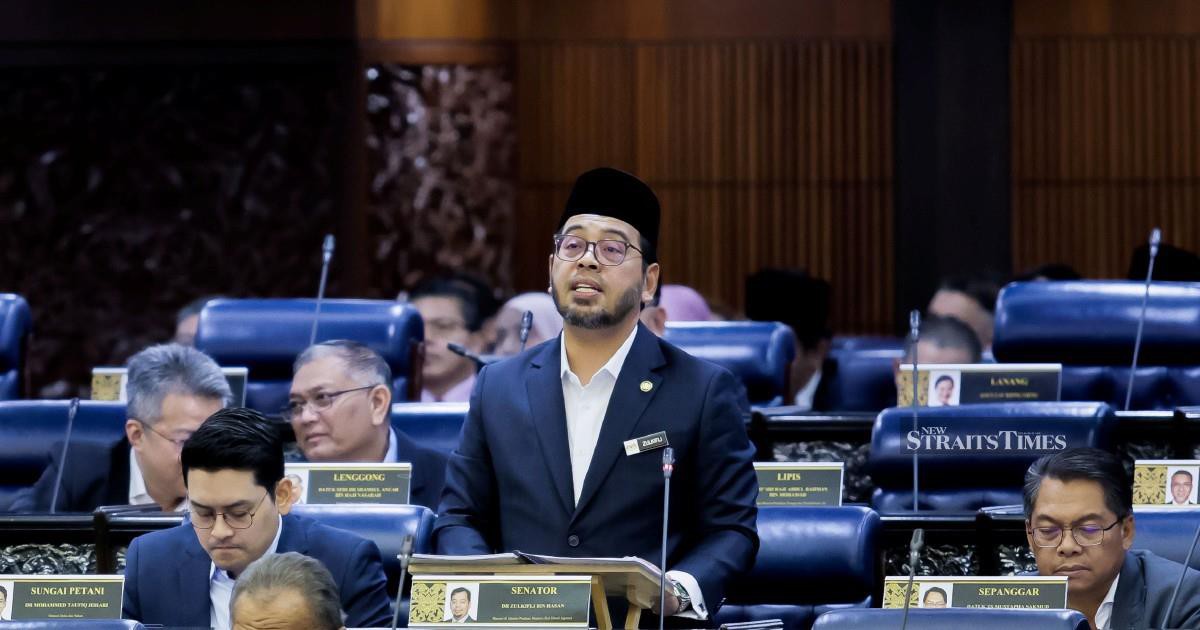
Tabung Haji has taken decisive action by submitting 12 formal reports to both the Royal Malaysia Police and the Malaysian Anti-Corruption Commission following the release of damaging findings from the Royal Commission of Inquiry into its operations. The move represents an institutional acknowledgment of governance failures within one of Malaysia's largest Islamic financial institutions and signals the organisation's willingness to pursue legal accountability for the breaches identified during the inquiry.
The Royal Commission of Inquiry, established to investigate the performance and management of Tabung Haji over a specified period, uncovered a range of concerning practices and decision-making lapses. The inquiry's mandate centred on examining how the pilgrimage fund, which manages savings from millions of Malaysian Muslims preparing for the Hajj pilgrimage, operated and whether funds were properly safeguarded and deployed according to Islamic principles and fiduciary standards.
By lodging these reports simultaneously with both the police and MACC, Tabung Haji appears determined to establish an official record of the RCI's concerns and to facilitate independent criminal investigation. This dual-track reporting approach ensures that allegations fall within the purview of Malaysia's premier anti-corruption body while also creating a parallel police investigation file, effectively institutionalising scrutiny of the matters identified.
The nature of the specific complaints contained within the 12 reports remains under wraps, though the RCI's investigation into such a major institution would typically encompass questions of asset management, procurement practices, investment decisions, and the governance structures that oversee such activities. For a fund administered on behalf of millions of ordinary Malaysians—many of whom are lower and middle-income Muslims—the stakes extend beyond corporate governance into realms of public trust and religious institutional integrity.
Tabung Haji's proactive reporting position contrasts sharply with historical patterns in Malaysia where major institutions sometimes resist transparency or delay accountability measures. The decision to voluntarily lodge complaints arguably reflects broader pressure on Malaysian public institutions to demonstrate commitment to anti-corruption principles, particularly given enhanced international scrutiny of governance standards across the region and heightened domestic expectations following various high-profile corporate scandals.
For the approximately 9.6 million members of Tabung Haji, the inquiry's findings and subsequent police and MACC investigations carry direct implications. These members have entrusted hundreds of billions of ringgit with the fund over decades, expecting that their savings will be safeguarded and grow in accordance with Islamic banking principles. Any mismanagement or breach of fiduciary duty by senior management directly affects the value and security of their life savings, particularly for those approaching or within their retirement years who depend on Hajj savings as important personal capital.
The RCI process itself represents a significant undertaking, as establishing such inquiries requires ministerial approval and substantial resource commitment. The decision to investigate Tabung Haji signalled government recognition that questions about the fund's operations warranted rigorous, independent examination beyond standard regulatory oversight. The subsequent production of a formal report containing findings severe enough to prompt a dozen formal complaints indicates the inquiry uncovered matters warranting potential criminal prosecution rather than administrative correction alone.
Tabung Haji's position within Malaysia's Islamic financial ecosystem adds further significance to the RCI's work. The fund operates within specific regulatory and Shariah frameworks and serves a distinct social purpose tied to Islamic practice. Irregularities within such an institution potentially undermine confidence not only in the fund itself but in the broader Islamic financial sector's ability to maintain standards and protect stakeholder interests. This extends concerns beyond internal governance into questions about Malaysia's capacity to regulate Islamic financial institutions effectively.
The submission of reports to both police and MACC establishes clear separation between fact-finding and enforcement functions. MACC specialises in corruption-related offences and possesses investigative powers tailored to uncovering systematic misconduct in public administration and institutional governance. Police investigations, meanwhile, provide broader criminal investigation capacity and can pursue charges under Malaysia's Penal Code for offences such as criminal breach of trust or fraud that may not fall strictly within anti-corruption frameworks.
Moving forward, the success of these investigations will depend upon the comprehensiveness of evidence contained within RCI findings and the resources deployed by investigating authorities. Malaysian law enforcement agencies have demonstrated variable capacity in pursuing complex financial crimes, and cases involving large institutional funds frequently encounter protracted investigation periods. Stakeholders, including Tabung Haji members and the broader Muslim community, will be monitoring investigative progress and eventual prosecutorial outcomes.
The episode underscores persistent tensions within Malaysia's governance architecture between institutional autonomy and accountability. While Tabung Haji's proactive stance deserves acknowledgment, it also raises questions about why an RCI inquiry was necessary in the first place and what internal governance controls failed to detect irregularities earlier. These broader systemic questions will likely inform policy discussions about institutional oversight mechanisms and the adequacy of existing regulatory frameworks for large religious endowment and savings funds operating within Islamic finance architecture.

