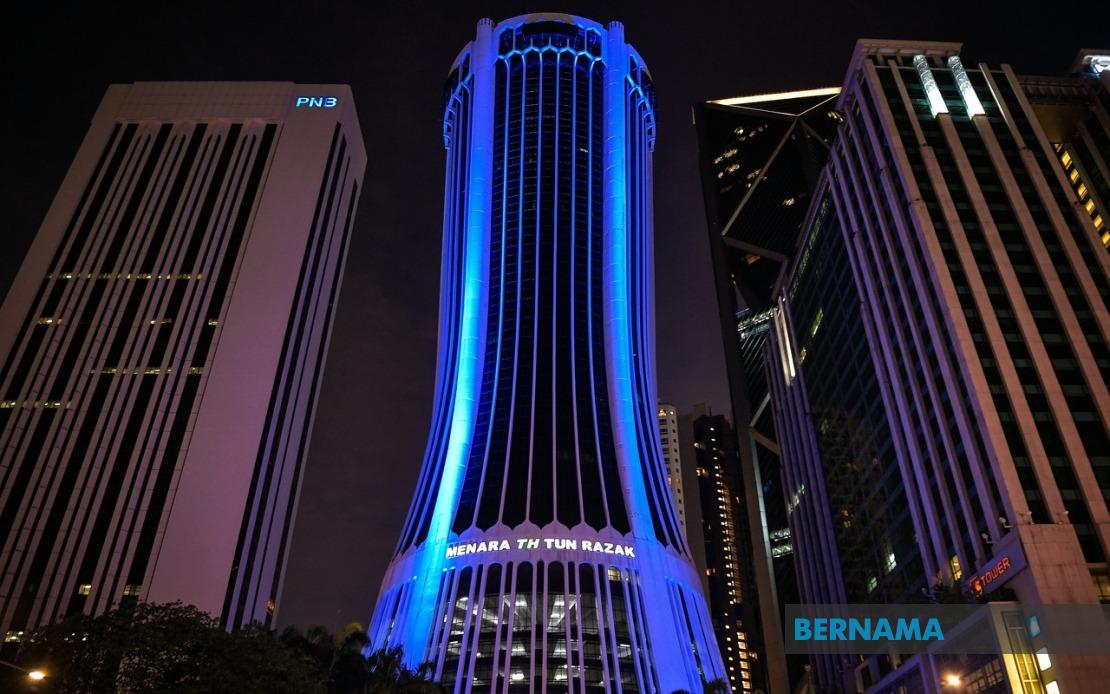
Tabung Haji faces mounting pressure to overhaul its public communication strategy and accelerate implementation of governance recommendations to restore confidence among its predominantly young depositor base, according to Malaysian policy specialists commenting on the recent Royal Commission of Inquiry findings. The renewed focus on institutional accountability comes as the hajj fund navigates the fallout from a comprehensive review that identified systemic weaknesses spanning nearly a decade.
Dr Mohd Kamarul Amree Mohd Sarkam, a senior lecturer at the Academy of Islamic Defence Studies at Universiti Pertahanan Nasional Malaysia, argues that Tabung Haji cannot afford to remain passive during this critical recovery period. He emphasises that the institution must adopt a sophisticated digital communication strategy targeting the younger generation of contributors who constitute the bulk of its depositor base. Since millennials and Gen Z individuals dominate social media platforms and digital channels, any credible reform narrative must reach them where they spend their time online. This generational reality presents both a challenge and an opportunity—the younger demographics are connected and informed, yet also sceptical of institutions perceived as opaque or outdated in their communication methods.
The crux of the challenge lies in translating institutional reforms into language that resonates with ordinary Malaysians worried about their pilgrimage savings. Tabung Haji must demonstrate not merely through policy documents but through sustained, accessible storytelling that it is serious about addressing the governance lapses identified in the inquiry. Consistency matters enormously when rebuilding institutional trust; sporadic or defensive messaging will only reinforce public doubts. Digital platforms offer Tabung Haji the vehicle to maintain constant, transparent dialogue with depositors without intermediaries filtering the message.
Beyond communication mechanics, Dr Mohd Kamarul Amree proposes a deeper structural transformation of Tabung Haji's leadership. He advocates for the appointment of professional managers and technical specialists with proven track records in business and institutional management, moving away from a system where political considerations have historically influenced senior appointments. This shift would signal to depositors that the institution prioritises competence and results over partisan loyalties. When citizens observe that leadership positions go to individuals selected for expertise rather than political affiliation, their confidence in the organisation's independence and professionalism naturally increases.
The academic also highlights Tabung Haji's underutilised strength: Malaysia's international reputation for excellent hajj management. The Saudi Arabian government itself has acknowledged the quality of Malaysia's pilgrimage administration, a credential that carries significant weight among Muslim depositors. Crafting a narrative around this recognised excellence could help offset some of the reputational damage from the governance failures that occurred between 2014 and 2020. This represents a practical avenue for Tabung Haji to rebuild credibility by emphasising what it does well while demonstrating how new governance frameworks will prevent past problems from recurring.
The Royal Commission of Inquiry report, released on July 29 and subsequently debated in Parliament, contained 25 specific recommendations for institutional improvement. These proposals are not theoretical exercises but actionable steps that require systematic implementation. Dr Mohd Kamarul Amree stresses that amendments to the Tabung Haji Act must follow the RCI's guidance and that financial oversight should sit squarely with the Finance Ministry rather than diffused across multiple departments. Such structural clarity reduces opportunities for accountability gaps and sends a message that the institution operates within a tighter framework of governmental supervision.
Dr Mohd Afzanizam Abdul Rashid, chief economist at Bank Muamalat Malaysia, echoes concerns about public perception while adding a pragmatic dimension to the debate. He warns that misinformation and confusion about Tabung Haji's financial standing could quietly erode depositor confidence without generating dramatic headlines. Some Malaysians may believe the RCI report was issued recently, creating false impressions of ongoing crises, when in fact the inquiry was completed in 2022. This information gap itself becomes a vulnerability that Tabung Haji must actively close.
The economist recommends that Tabung Haji undertake a series of town hall meetings and community forums at the district level where ordinary depositors can receive direct explanations of reforms and ask questions in person. Large-scale digital campaigns work in parallel with, but cannot fully substitute for, face-to-face engagement that allows citizens to evaluate institutional sincerity firsthand. These grassroots sessions would also generate locally relevant conversations, addressing specific concerns that might vary between urban centres and rural areas.
Dr Mohd Afzanizam particularly emphasises that Tabung Haji must proactively communicate that its financial position remains sound despite the governance lapses. This distinction is critical: institutional weaknesses in management and decision-making do not necessarily translate into current insolvency or inability to honour depositor obligations. Yet without clear messaging, depositors may conflate governance failures with financial distress, leading to panic or withdrawal requests that could itself create genuine financial strain.
The broader context for this institutional moment involves Malaysia's wider commitment to governance reform and anti-corruption efforts. The government has positioned integrity and transparency as central policy objectives, and Tabung Haji must align itself visibly with this national direction. Successful implementation of RCI recommendations would demonstrate that state institutions can accept accountability findings and implement systematic change rather than deflect or minimise criticisms. This would set a positive precedent signalling that Malaysian governance is evolving toward greater accountability.
The challenge facing Tabung Haji ultimately reflects the tension between institutional legitimacy and public trust in an era of information asymmetry. Citizens possess access to more information than ever but also struggle to distinguish between credible analysis and rumour. An institution like Tabung Haji, which holds the pilgrimage savings of millions of ordinary Malaysians, cannot afford to rely on passive communication or assume that governance reforms announced through official channels will automatically restore confidence. Active, consistent, multi-platform engagement is now the baseline requirement for maintaining public faith in financial institutions and religious bodies that occupy the intersection of spiritual significance and fiscal responsibility.

