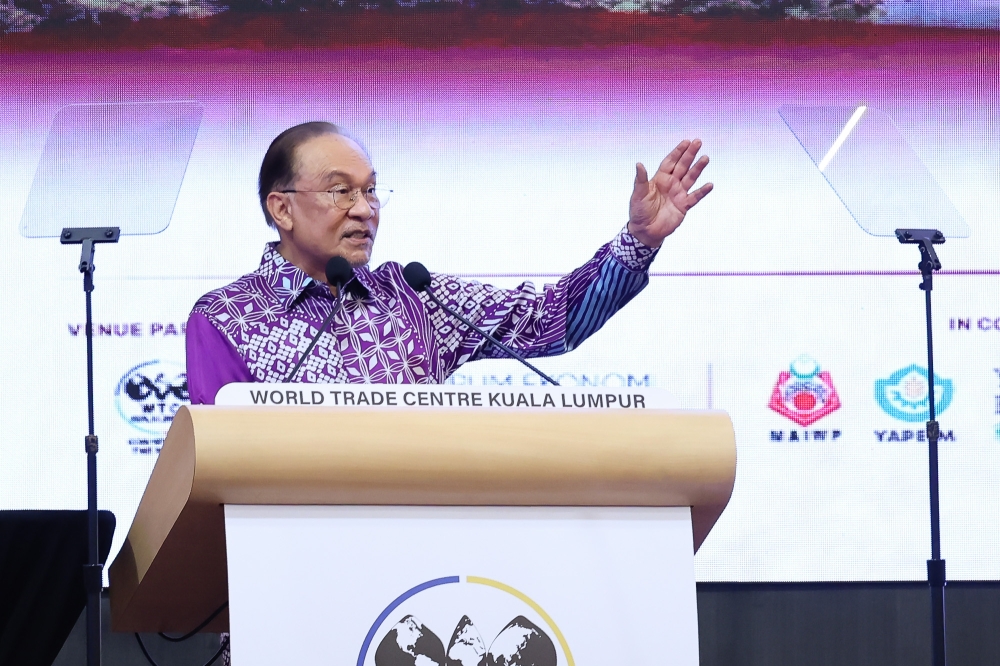
Prime Minister Datuk Seri Anwar Ibrahim has declared that Tabung Haji is now in a more resilient financial position following comprehensive reforms, while signalling that the findings of the Royal Commission of Inquiry into the organisation will be made public in the coming weeks. The statement comes amid ongoing efforts to restore confidence in the pilgrim management fund, which has faced considerable scrutiny over governance and investment practices in recent years.
Anwar's comments underscore the government's commitment to rehabilitating the institution that manages savings for Malaysian Muslims planning to perform the hajj pilgrimage. The reforms, introduced over the past period, have addressed structural weaknesses and operational gaps that previously undermined the fund's financial health. These improvements represent a significant milestone for an organisation that plays a crucial role in facilitating religious obligations for hundreds of thousands of Malaysian Muslims annually.
The Royal Commission of Inquiry was established to conduct a thorough investigation into Tabung Haji's management, investment decisions, and corporate governance practices. The comprehensive examination was prompted by concerns about the fund's financial performance and the need to identify systemic issues that required correction. Officials have consistently indicated that transparency regarding the RCI's findings would be essential to rebuilding public trust in the institution.
Tabung Haji's troubles emerged prominently following revelations about significant losses and questionable investment practices. The fund, which holds the savings of millions of Malaysian Muslims accumulated over decades, had been subject to scrutiny regarding how these resources were being deployed. The situation prompted calls from lawmakers, religious leaders, and public figures for a thorough investigation and immediate remedial action to protect depositors' interests.
The government's previous hesitancy to release the RCI report immediately reflected the sensitive nature of the findings and the need for careful consideration of reforms before public disclosure. However, officials recognised that prolonged secrecy would only deepen public scepticism about the institution's future. The decision to move toward releasing the report signals confidence that the government has implemented sufficient corrective measures and can address concerns raised by the investigation.
For Malaysian Muslims planning their hajj, the strengthening of Tabung Haji's financial position carries substantial personal significance. Many rely on the fund as a secure repository for their pilgrimage savings, often accumulating contributions over years or decades. A financially robust and well-managed Tabung Haji is essential not only for individual pilgrims but also for maintaining Malaysia's reputation in coordinating hajj arrangements and managing pilgrim welfare during the annual Islamic pilgrimage to Mecca.
The reforms implemented have reportedly included improvements to investment governance, enhanced oversight mechanisms, and restructured management practices designed to prevent recurrence of previous problems. These changes reflect recommendations from auditors, governance specialists, and religious advisors who examined the fund's operations. The comprehensive nature of these reforms suggests that the government has taken seriously the need for fundamental institutional change rather than superficial adjustments.
The timing of the RCI report's expected release also carries political importance. Transparency regarding government action to address failures in a major public institution demonstrates accountability to both Muslim and broader Malaysian constituencies. For many depositors who faced uncertainty about the security of their hajj savings, the combination of demonstrated reforms and forthcoming inquiry findings provides essential reassurance about the fund's future direction and security.
From a regional perspective, Tabung Haji's rehabilitation matters beyond Malaysia's borders. The fund's operations affect hundreds of thousands of Malaysian Muslims and their families, while also influencing Malaysia's standing within the broader Muslim world regarding financial stewardship and religious institutional management. A successfully reformed Tabung Haji sets a positive precedent for other Muslim-majority nations managing similar pilgrim-assistance programmes and demonstrates competent governance of religiously significant financial institutions.
The government's emphasis on releasing the RCI findings suggests that officials believe the investigation's conclusions, rather than remaining confidential, will ultimately serve the public interest. The inquiry's detailed findings regarding what went wrong, how problems were allowed to develop, and what corrective mechanisms have been implemented will provide the transparency that stakeholders have demanded. This approach reflects evolving standards of institutional accountability in Malaysia's governance landscape.
Looking forward, the successful implementation of Tabung Haji reforms will be measured not merely by financial metrics but by the restoration of public confidence and the fund's ability to reliably serve its core mission. The upcoming RCI report represents a critical juncture where past failures are acknowledged and future safeguards are transparently outlined. For millions of Malaysian Muslims, this represents the difference between pilgrimage savings that are secure and a fund whose stability remains subject to doubt.

