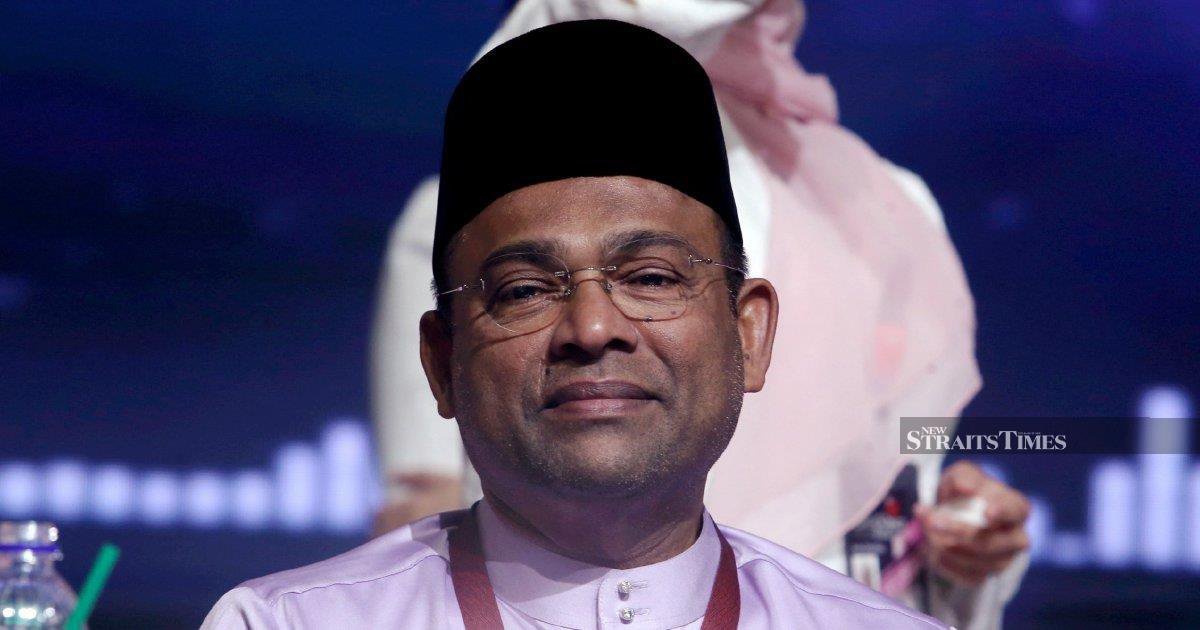
Former Tabung Haji chairman Datuk Seri Abdul Azeez Abdul Rahim has moved to dismiss pressure from Bersatu regarding his involvement in investigations connected to the Royal Commission of Inquiry report on the pilgrim fund, maintaining that the inquiry's published findings contained no specific reference to his role or conduct. The assertion appears designed to sidestep mounting political pressure demanding transparency over whether Malaysian Anti-Corruption Commission authorities have approached him for questioning in relation to the RCI's conclusions.
Bersatu, the political party allied with former premier Mahathir Mohamad, had escalated calls for Azeez to publicly confirm or deny receiving contact from the MACC concerning matters raised in the inquiry. The timing of Bersatu's intervention reflects the continuing political sensitivity surrounding Tabung Haji's management, with various factions seeking to establish accountability for the fund's deteriorating financial position and governance lapses documented in the RCI report.
The Royal Commission of Inquiry into Tabung Haji has been one of the most significant investigations into a government-linked institution in recent years, prompted by public concern over billions of ringgit in investment losses and questions about stewardship of Muslim pilgrims' savings. The inquiry examined structural weaknesses, investment decisions, and the effectiveness of oversight mechanisms across multiple administrative periods. Its completion generated expectations that named individuals would face regulatory or legal consequences based on findings of misconduct or negligence.
Azeez's response highlights a critical distinction between being named explicitly in an inquiry's final report and potentially becoming the subject of subsequent enforcement action by anti-corruption authorities. The absence of direct reference in the published RCI findings does not necessarily preclude MACC investigations, as authorities may pursue separate inquiries into matters identified during the commission's work. This technical distinction has become a focal point in debates about accountability and the practical follow-up to the inquiry's conclusions.
The political dimension of Bersatu's intervention cannot be overlooked. As an opposition coalition partner, the party has positioned itself as a guardian of institutional integrity and has consistently challenged the current administration's handling of governance investigations. By publicly demanding clarity from Azeez, Bersatu has amplified scrutiny over whether consequences are being consistently applied or whether political considerations are shaping the pace and scope of enforcement actions following the RCI report.
Tabung Haji's governance crisis extends across multiple administrations and involves complex investment strategies that deteriorated significantly during the period examined by the inquiry. The fund, which manages billions of ringgit contributed by Malaysian Muslims preparing for the hajj pilgrimage, faced severe reputational damage when investment losses and operational inefficiencies became public knowledge. Stakeholders including pilgrims, their families, and civil society groups have demanded clarity on who bears responsibility for these failures and what safeguards will prevent recurrence.
The MACC's role in following up RCI recommendations remains unclear to the public, though coordination between the commission and the anti-corruption body is standard practice in major institutional investigations. The opacity surrounding which individuals or organizations are being scrutinized creates space for political actors to mobilize pressure and shape public narratives about accountability. Bersatu's intervention suggests frustration that sufficient consequences have not yet materialized despite the inquiry's completion.
Azeez's tenure as Tabung Haji chairman spanned years of significant institutional challenge, though his exact period in office and specific decisions attributable to him require contextual examination. Public understanding of leadership responsibility often conflates periods of stewardship with causation of specific harms, a complexity that formal investigations attempt to clarify through evidence-based findings. The distinction matters substantially for establishing individual accountability rather than institutional blame distributed broadly across leadership structures.
The broader implications for Malaysian governance extend beyond Tabung Haji itself. How authorities handle follow-up investigations and enforcement actions following major RCI reports establishes precedent for public confidence in institutional accountability mechanisms. Delays, perceived political favoritism, or unexplained inaction regarding named or identified individuals undermine citizen trust that governance investigations produce meaningful consequences. This erosion of confidence particularly affects communities whose savings and trust have been compromised, as in the Tabung Haji case.
For pilgrims and their families who contributed to the fund, clarity on accountability represents both a practical and symbolic concern. They invested life savings in an institution that subsequently failed to protect their interests adequately. Understanding who made critical decisions and whether those individuals face consequences directly affects public willingness to engage with government-linked financial institutions. Tabung Haji's recovery therefore depends not only on structural reforms but also on demonstrated accountability for failures under previous stewardship.
The interaction between Azeez's denial and Bersatu's demand reveals tensions in Malaysia's approach to institutional accountability. While formal independence of anti-corruption authorities is constitutionally protected, political actors retain legitimate rights to demand transparency about investigations affecting public institutions. Balancing these pressures while maintaining investigative integrity presents ongoing challenges for enforcement bodies navigating between political scrutiny and operational independence.
Moving forward, the MACC's eventual decisions regarding investigations into Tabung Haji will carry significance beyond the immediate case. They will signal whether RCI recommendations are treated as mandatory guidance requiring enforcement action or as advisory documents whose follow-up depends on prosecutorial discretion. This distinction shapes the practical effectiveness of major inquiry processes in generating accountability and institutional reform.

