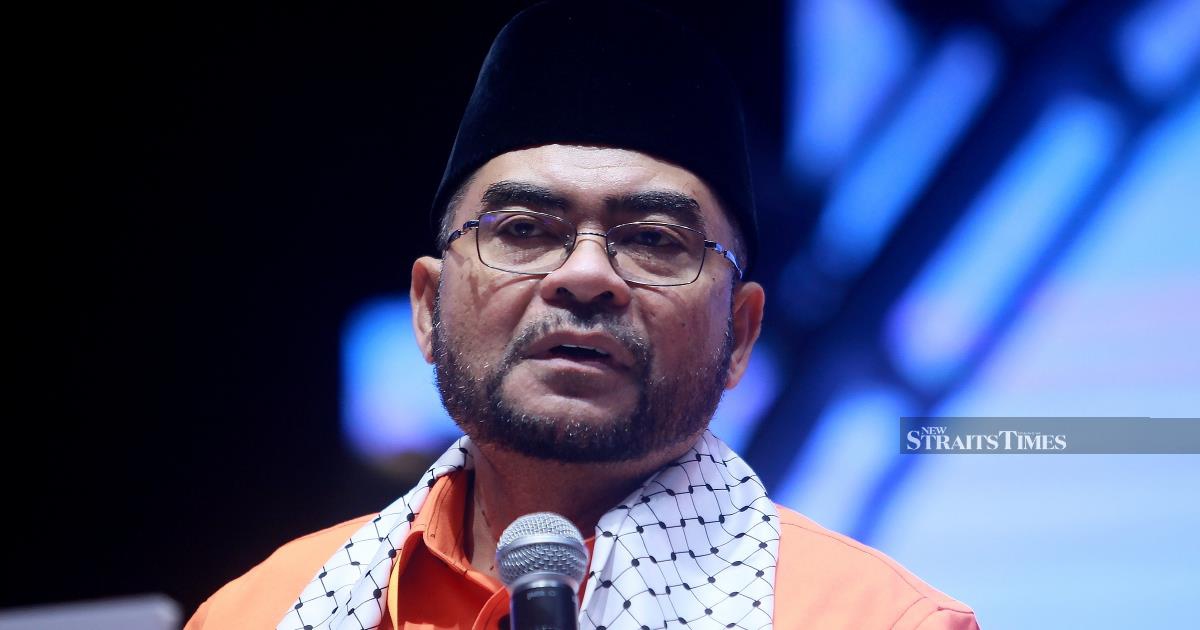
Datuk Seri Dr Mujahid Yusof Rawa, who previously served as Minister in the Prime Minister's Department overseeing Religious Affairs, has declared that the Tabung Haji Royal Commission of Inquiry has exonerated him from charges that emerged during his time in office. The former minister's statement suggests that a comprehensive investigation into Malaysia's pilgrimage savings fund has concluded that the accusations directed at him lack substantive foundation.
The Tabung Haji, officially known as the Pilgrims Fund Board, stands as one of Malaysia's most significant financial institutions, managing the savings of millions of Muslims preparing for the Hajj pilgrimage. The decision to establish a Royal Commission of Inquiry into the fund's operations underscores the gravity with which authorities have treated concerns about its governance and management practices. Such inquiries typically examine financial irregularities, administrative failings, and the conduct of officials overseeing institutional affairs.
For Mujahid Yusof Rawa, the RCI report represents an opportunity to restore his professional reputation following months of scrutiny. His tenure in the religious affairs portfolio placed him at the intersection of government administration and Islamic institutional oversight, a position that often attracts intense public and media attention in Malaysia's religiously sensitive environment. The allegations that prompted the inquiry would have carried significant political weight given the religious and financial dimensions involved.
The Tabung Haji has periodically encountered governance challenges that have necessitated government intervention and public review. The establishment of the RCI reflected broader concerns about operational transparency, financial stewardship, and the safeguarding of contributors' savings. Malaysian pension and savings institutions typically operate under strict regulatory frameworks, and any deviation from expected standards triggers investigations designed to protect participant interests and maintain institutional credibility.
Mujahid Yusof Rawa's background in religious affairs administration positioned him as a key figure in overseeing Islamic financial and institutional matters during his ministerial tenure. His vindication through the RCI process carries implications for how his administrative legacy is perceived, both within government circles and among the broader Malaysian Muslim community that depends on Tabung Haji services. The clearance removes potential obstacles to his future engagement in policy formulation or institutional governance roles.
The RCI's findings, by exonerating the former minister, implicitly suggest that any problems identified within Tabung Haji during his oversight period were either beyond his direct control, adequately addressed through proper channels, or misattributed to him by critics. This distinction matters significantly in Malaysian political and administrative contexts, where ministerial accountability is a contentious issue that frequently shapes public discourse about governance standards.
The timing of the RCI report's release and the former minister's public response reflects the Malaysian government's commitment to addressing institutional governance questions that have concerned citizens and stakeholders. Royal Commissions of Inquiry serve as formal mechanisms through which the government investigates matters of substantial public interest, and their conclusions carry considerable weight in shaping official narratives about institutional management and ministerial performance.
For the broader Malaysian financial and religious institutional ecosystem, the RCI's conclusions may influence how oversight frameworks are structured and implemented across similar organisations. If systemic weaknesses were identified—and separately attributed to factors other than ministerial negligence—recommendations from the inquiry could reshape governance practices affecting millions of Hajj-bound pilgrims and their accumulated savings. Such reforms would address root causes rather than merely assigning individual blame.
Mujahid Yusof Rawa's statement represents a strategic effort to move beyond the period of investigation and establish clarity regarding his professional conduct. In Malaysia's political landscape, where ministerial careers can be significantly affected by institutional controversies, formal vindication through an official inquiry provides crucial legitimacy. His public declaration invites stakeholders—from government colleagues to religious community leaders—to reassess their evaluations of his administrative tenure based on documented findings rather than preliminary impressions or media narratives.
The case also illustrates the important role that transparent investigative processes play in democratic governance. By subjecting ministerial conduct to rigorous examination through established legal mechanisms, Malaysia demonstrates institutional capacity to separate fact from speculation. This distinction becomes particularly important in matters involving religious institutions and financial management, where public confidence depends heavily on demonstrated integrity and proper stewardship.
Looking forward, the RCI's conclusions may facilitate Mujahid Yusof Rawa's return to more prominent roles within government or Islamic institutional frameworks, contingent on political developments and prime ministerial discretion. The formal clearance removes a significant reputational liability that might otherwise have constrained his professional advancement or influence on religious policy matters.

