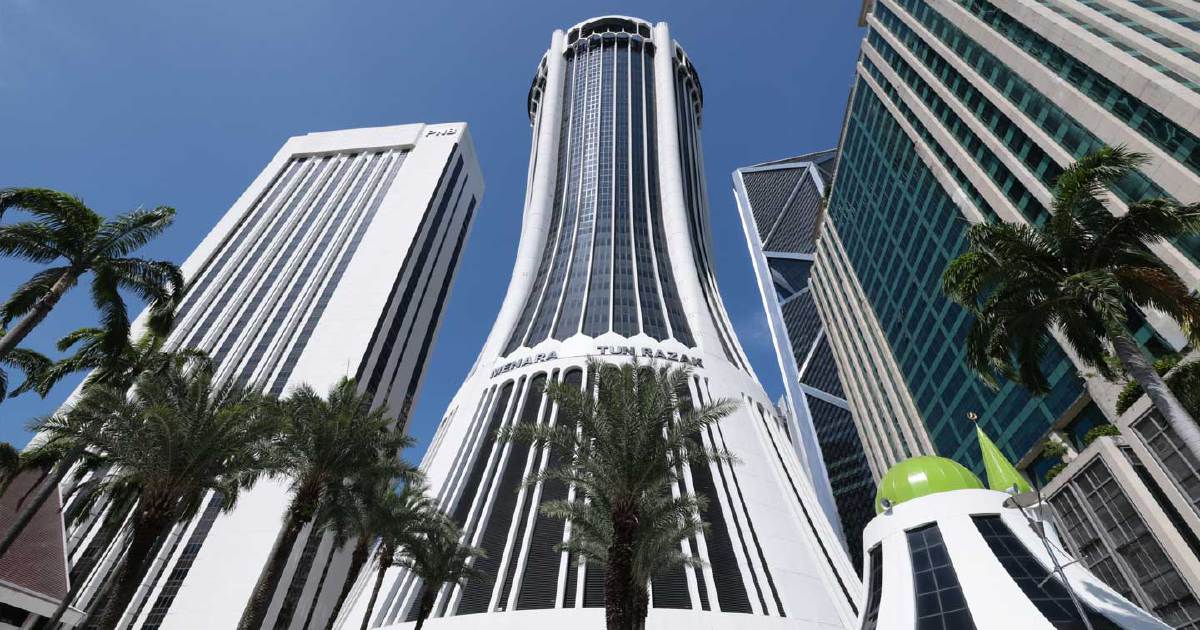
The long-awaited Royal Commission of Inquiry report into Tabung Haji faces a final procedural hurdle that could determine whether its findings are made public within hours or by week's end, according to Prime Minister Datuk Seri Anwar Ibrahim. The disclosure timeline hinges on a technical question: whether Cabinet approval is a prerequisite for releasing the inquiry's conclusions, or if the panel can proceed directly to publication. Should no ministerial sign-off be required, the report could reach the public today, the Premier indicated. At the outside, it should surface by Wednesday at the latest.
Tabung Haji, the state-owned investment and savings institution serving Malaysia's Muslim population, has been embroiled in a mounting financial crisis that prompted the RCI's establishment. The pilgrim fund body, tasked with managing investments and facilitating hajj travel arrangements for millions of members, saw its portfolio and reputation battered following revelations of major losses, questionable asset acquisitions, and governance lapses. The depth and scope of mismanagement uncovered during the inquiry's investigation have made the forthcoming report one of the most scrutinised government reviews in recent memory, with stakeholders from financial regulators to international observers watching closely.
The establishment of the RCI reflected growing public anxiety over Tabung Haji's stewardship and the adequacy of internal and external oversight mechanisms. Members across Malaysia have grown increasingly apprehensive about the security of their savings, especially given the fund's strategic importance as the primary avenue through which working-class and middle-income Muslim Malaysians accumulate capital specifically designated for the religious obligation of performing hajj. Beyond individual members, Tabung Haji's financial distress carries macroeconomic implications, given the institution's substantial investment portfolio and its interconnections with Malaysian financial markets.
The RCI's investigation has examined years of corporate decisions, transaction approvals, and management practices within Tabung Haji's upper echelons. Previous reports and regulatory findings had already surfaced troubling patterns, including investments in loss-making enterprises, property acquisitions that failed to deliver expected returns, and instances where apparent conflicts of interest seemed to influence major capital allocation decisions. The commission's mandate extended to determining not merely what went wrong, but who bore responsibility and what systemic failures enabled such outcomes to persist without timely intervention.
The question of Cabinet approval adds a political dimension to the report's release. Government procedure typically requires that sensitive or high-profile inquiry conclusions undergo Cabinet review before publication, affording ministers the opportunity to consider implications, coordinate messaging, and prepare remedial policy responses. However, some RCI reports proceed directly to public release if their terms of reference do not mandate executive sign-off, or if the appointing authority determines that transparency imperatives outweigh procedural formality. Anwar Ibrahim's comments suggest the government is still determining which approach applies in this instance.
Timing considerations loom large given the Muslim holiday period imminent in Malaysia's calendar, which typically restricts government activity and media cycles. A mid-week release would allow the findings to circulate through the news cycle while offices remain fully operational and relevant institutions can begin formulating responses. A delay past Wednesday could push major public and official reaction into a holiday-shortened period, complicating coordinated responses to whatever recommendations the RCI advances.
The anticipated report will almost certainly recommend structural, governance, and possibly personnel changes within Tabung Haji's administration. Beyond internal reforms, the commission may propose enhanced regulatory oversight from the Securities Commission or other financial authorities, stricter investment parameters to limit future risk-taking, and possibly asset recovery initiatives or legal proceedings against former officials deemed culpable. Financial compensation schemes for disadvantaged members may also feature among the RCI's recommendations.
From a Southeast Asian perspective, the Tabung Haji case underscores challenges that Islamic financial institutions across the region face in balancing commercial objectives with fiduciary duties to members. Indonesia's hajj fund, Thailand's Islamic window institutions, and similar bodies elsewhere have grappled with comparable pressures. How Malaysia's government responds to the RCI's findings will signal its commitment to institutional reform and may influence governance approaches adopted by peer organisations throughout the region.
Market participants and credit rating agencies will scrutinise the report and subsequent government action closely. Tabung Haji's financial rehabilitation is not merely a domestic concern but bears on Malaysia's reputation as a financial hub and destination for Islamic investment capital. The government's demonstrated willingness to act decisively on the RCI's recommendations will shape international confidence in Malaysian institutional governance standards.
Despite the anticipation surrounding the report's imminent release, the actual work of implementation remains ahead. Regulatory adjustments, leadership replacements, and fund restructuring will extend over months or years. The RCI's conclusions mark the beginning of a remediation process, not its completion. For millions of Malaysian Tabung Haji members whose retirement and religious obligations depend on institutional stability, the coming weeks will prove decisive in determining whether substantive reform or merely cosmetic adjustments emerge from this exhaustive inquiry.

