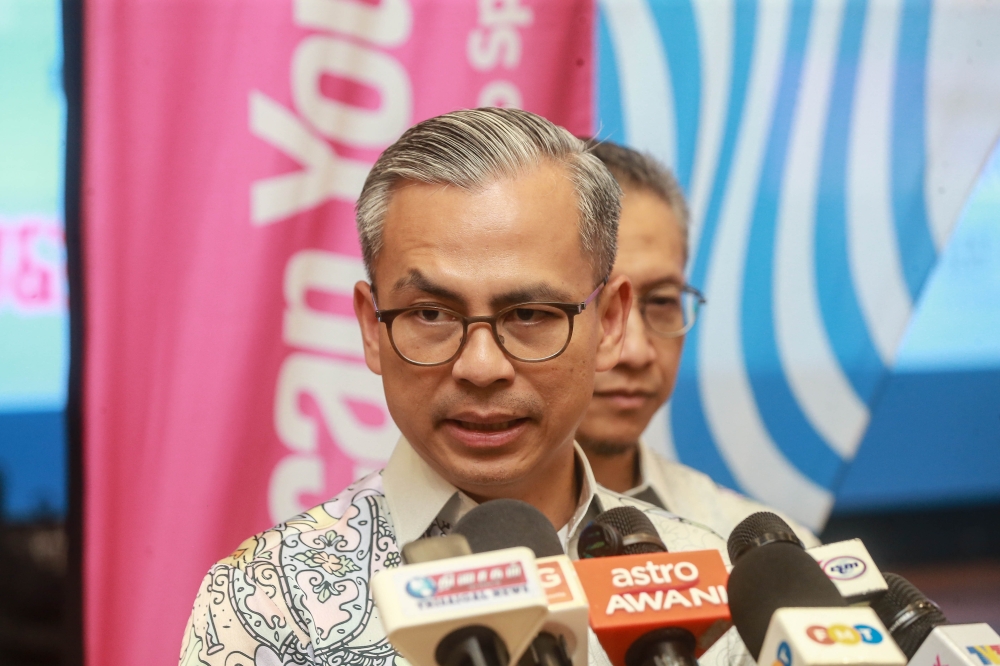
The comprehensive report from the Royal Commission of Inquiry examining Lembaga Tabung Haji (TH) will be forwarded to four key agencies for thorough investigation, Communications Minister Fahmi Fadzil announced on Monday in Putrajaya. The decision to distribute the RCI findings across the Royal Malaysia Police, Malaysian Anti-Corruption Commission (MACC), Bank Negara Malaysia, and the Inland Revenue Board signals the government's intention to ensure any potential breaches are examined from multiple enforcement and regulatory angles.
Fahmi's statement clarifies the next phase of action following the completion of the RCI's work, which was established to examine governance failures and financial irregularities at the Islamic pilgrimage savings fund. The pilgrims' fund has faced mounting scrutiny in recent years over concerns about management practices, investment decisions, and transparency in operations that directly affect millions of Malaysian savers who contribute to their Hajj travel plans through the institution.
The distribution of findings to distinct agencies reflects the multifaceted nature of potential violations that may have occurred within TH's operations. The police will investigate whether criminal offences have been committed, while the MACC's involvement suggests examining whether corruption or abuse of power played a role in questionable transactions. Bank Negara's participation underscores the importance of regulatory compliance in the financial services sector, given TH's position as a significant financial institution managing depositor funds. The IRB's engagement points toward possible tax-related irregularities that may require administrative action.
This referral approach differs from scenarios where findings remain confined to political or ministerial response, instead establishing a framework for independent examination by agencies with distinct mandates and investigative powers. Each body can pursue inquiries according to its legal authority and procedures, potentially uncovering evidence that leads to civil, administrative, or criminal proceedings depending on what the RCI report documents.
The Tabung Haji controversy has weighed heavily on public confidence in the institution, which operates as a crucial vehicle for Malaysian Muslims to save systematically for the Hajj pilgrimage. Reports of investment losses, particularly during the 2015 market downturn, and subsequent management decisions that affected dividend payouts and savings returns, generated considerable concern among members who depend on TH as their dedicated savings platform. The establishment of the RCI represented an acknowledgement that the scale of concerns warranted formal judicial inquiry.
For Malaysian pilgrims and their families, the enforcement momentum carries significance beyond institutional accountability. Any findings that result in remedial measures or restitution could directly impact future dividend structures, savings returns, or confidence in contributing further to the fund. The involvement of Bank Negara suggests that operational and prudential standards may be reviewed to prevent similar issues, potentially leading to stronger governance requirements across Islamic financial institutions managing public savings.
The MACC's participation is particularly notable given Malaysia's broader anti-corruption agenda under the current administration. High-profile investigations into mismanagement of public funds have become a hallmark of the government's stated commitment to transparency and accountability. The Tabung Haji RCI, therefore, sits within a wider context of scrutinizing institutional leadership and decision-making at organisations handling significant national assets.
Bank Negara's involvement also carries regulatory implications for the entire Islamic finance sector. If the RCI identifies systemic weaknesses in governance, risk management, or investment oversight at TH, the central bank may issue directives or advisories affecting operational standards across similar institutions. This cascading effect means that remedial measures at Tabung Haji could reshape how other Islamic financial bodies approach accountability and member protection.
The timeline for investigation remains unclear, though Fahmi's announcement suggests formal submission to the respective agencies will occur imminently. Each organisation will determine its investigation scope and timeframe independently, meaning findings may emerge over different periods rather than simultaneously. The police may prioritize alleged criminal conduct, while the MACC could pursue corruption angles, and Bank Negara may conduct regulatory examinations of compliance and governance frameworks.
For Malaysia's standing in global Islamic finance, the transparency demonstrated through RCI findings and multi-agency investigation signals institutional maturity in addressing governance challenges. Tabung Haji's role as a faith-based financial institution entrusted with public savings makes its integrity essential not only domestically but for the broader reputation of Malaysian Islamic finance internationally.
Political observers note that the government's approach reflects an attempt to depoliticize the investigation process by delegating authority to independent agencies rather than managing findings through ministerial discretion alone. This structural separation between political leadership and enforcement bodies provides procedural legitimacy, though the ultimate remedies and consequences will depend on what evidence the agencies uncover and how applicable laws permit them to respond.

