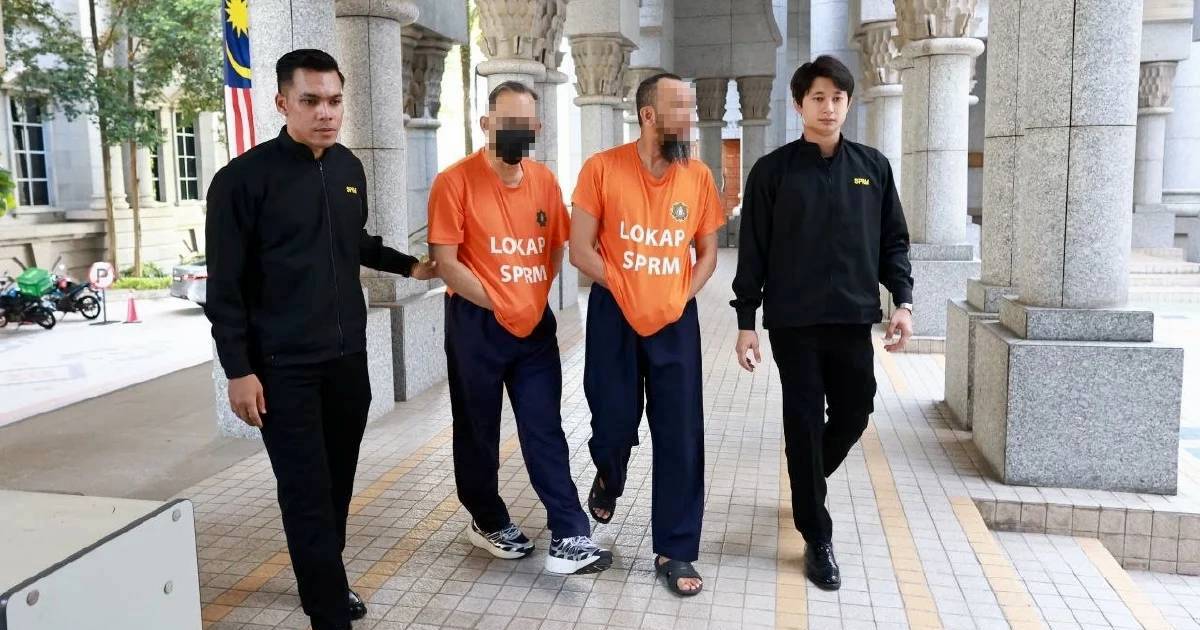
The Malaysian Anti-Corruption Commission (MACC) has taken seven individuals into custody to support its investigations related to the Tabung Haji (TH) Royal Commission of Inquiry, marking a significant escalation in the anti-graft body's scrutiny of Malaysia's pilgrimage fund. Among those detained is a chief executive officer of a shipping enterprise who holds the title of Datuk, alongside several board members from related organisations, signalling that the probe extends beyond the fund's internal management to encompass external business relationships.
The detention follows the completion of the RCI, which was established to examine governance lapses, investment decisions, and financial irregularities within Tabung Haji. The inquiry generated substantial public concern given the institution's role as custodian of savings accumulated by millions of Malaysian Muslims preparing for the annual Hajj pilgrimage to Mecca. The fund's fiscal health and management practices have faced heightened scrutiny in recent years, particularly regarding the handling of depositor funds and investment portfolio performance during volatile market conditions.
Tabung Haji operates as a unique financial institution mandated by Islamic principles to manage and safeguard monies contributed by Malaysian Muslims across decades. The fund's significance extends beyond mere financial stewardship; it represents a sacred trust embedded in the nation's Islamic banking architecture and social safety net. Any mismanagement or misconduct within its operations carries implications not only for individual pilgrims but also for institutional confidence in Malaysia's Islamic finance sector more broadly.
The involvement of external commercial figures, particularly those from the shipping sector, suggests the RCI investigation uncovered potentially problematic transactions or business dealings between Tabung Haji and private companies. Malaysian shipping and logistics companies often interface with government-linked institutions in various capacities, making such relationships routine yet susceptible to abuse through preferential contracting, inflated pricing, or inadequate oversight mechanisms.
Detaining individuals of corporate standing for questioning represents a notable development in Malaysia's anti-corruption enforcement landscape. The status of these detainees—including board-level appointments—indicates that MACC investigators believe accountability extends through organisational hierarchies and extends to decision-makers who approved or facilitated questionable transactions. This approach reflects evolving anti-corruption strategies that target systemic failures and collective responsibility rather than isolated wrongdoing by individual actors.
The timing of these detentions carries political significance within Malaysia's governance environment. Tabung Haji scandals have periodically dominated public discourse and parliamentary debate, particularly as different administrations have proposed reform measures or restructuring initiatives. Public pressure for accountability has intensified following media revelations about fund performance, administrative costs, and investment strategies that diverged from the prudent stewardship promised to contributors.
For Malaysian pilgrims and their families, these developments carry direct consequences. The fund's operational credibility hinges upon demonstrable integrity and transparent management. Depositors, many of whom represent working-class and middle-income segments of society, depend upon Tabung Haji to preserve capital and generate modest returns sufficient to underwrite Hajj expenses. Revelations about misconduct or misappropriation directly erode confidence in the fund's ability to fulfil this fundamental obligation.
The detention of seven individuals will likely generate extended proceedings as MACC investigators gather evidence, conduct interviews, and potentially expand their inquiry scope based on information uncovered through interrogations. Standard anti-corruption protocols typically involve several rounds of questioning, document analysis, and coordination with other agencies such as the Royal Malaysian Police and the Attorney General's Chambers to determine whether criminal charges merit consideration.
Regional observers of Malaysian governance have noted that Tabung Haji's institutional challenges reflect broader patterns within government-linked companies and state-owned enterprises across Southeast Asia. Issues regarding governance standards, board independence, management accountability, and auditing adequacy recur across multiple jurisdictions. Malaysia's approach to investigating and prosecuting alleged misconduct at Tabung Haji may influence how other regional governments address comparable situations within their own institutional frameworks.
The RCI's completion and subsequent MACC detention actions demonstrate that Malaysia maintains investigative mechanisms capable of pursuing accountability even when allegations involve well-connected commercial actors and institutional insiders. However, the effectiveness of these efforts ultimately depends upon prosecutorial follow-through, judicial deliberation, and whether systemic reforms emerge to prevent recurrence. For Tabung Haji itself, these developments necessitate governance reforms, strengthened board oversight, enhanced regulatory scrutiny, and transparent communication with depositors regarding management improvements implemented in response to identified deficiencies.
As MACC investigations proceed, Malaysian pilgrims and the broader Muslim community await clarification regarding specific allegations, the scope of any financial impropriety, and measures being implemented to restore institutional integrity. The outcome of these inquiries will significantly influence public perception of Tabung Haji's future viability as a trusted repository for hajj savings.

