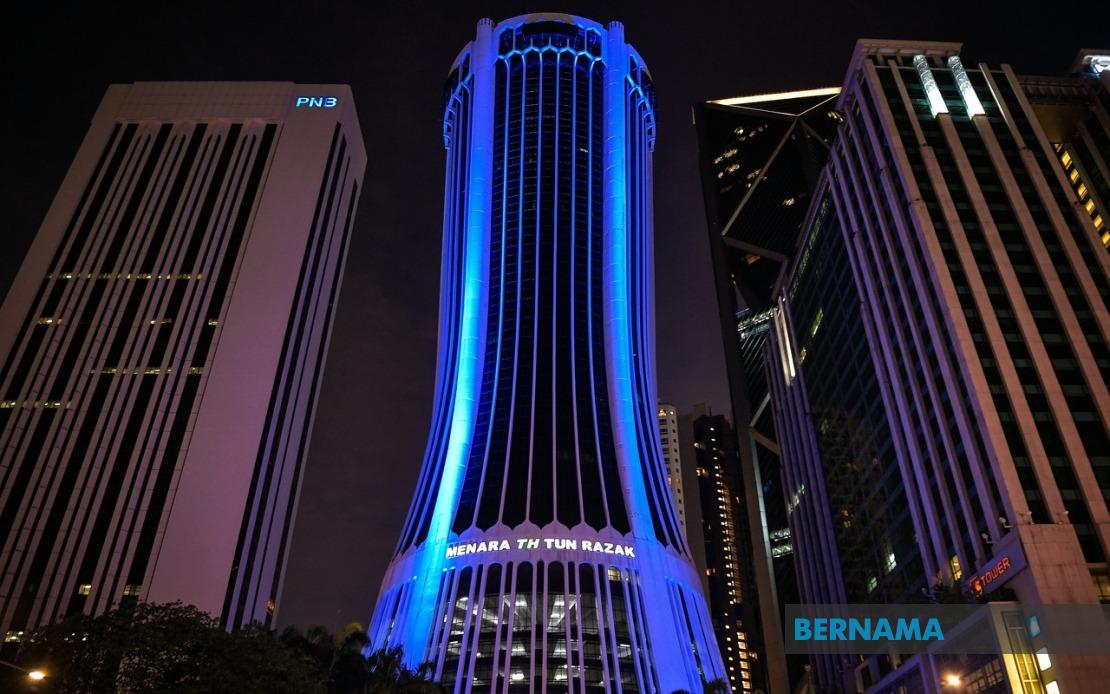
Tabung Haji (TH) has committed to thoroughly examining a comprehensive memorandum submitted by prominent Malaysian Islamic non-governmental organisations, signalling the national haj institution's responsiveness to mounting pressure for accelerated governance reforms. The move reflects TH's acknowledgment that public confidence in the organisation remains contingent upon demonstrable action to address lapses identified in a recent Royal Commission of Inquiry. With 9.8 million depositors relying on TH to safeguard their savings for pilgrimage and other religious purposes, the stakes of institutional reform extend far beyond administrative efficiency to touch the financial security of millions of Malaysian Muslims.
The memorandum, jointly submitted by Himpunan Gerakan Islam Malaysia (HIKAM) and the Coalition of Islamic NGOs, encapsulates ten specific demands that reflect widespread concern about governance standards and accountability within TH. Among the principal requests are calls for swift, transparent legal proceedings against those responsible for financial mismanagement, comprehensive recovery of misappropriated assets and funds, and visible, time-bound implementation of all outstanding Royal Commission recommendations. The coalition's framing of these demands as matters of religious trust and community stewardship suggests that the TH recovery effort has transcended narrow institutional considerations to become a test case for how Malaysia's Muslim-majority government treats institutional failures within organisations serving the faith community.
Tabung Haji's statement indicating it has already implemented more than 75 percent of Royal Commission recommendations provides measurable evidence of institutional rehabilitation efforts. The remaining quarter of outstanding reforms, however, represents the most consequential gap—typically encompassing structural governance changes, personnel accountability measures, and systems designed to prevent recurrence of past abuses. The organisation's characterisation of its current position as substantially stronger than in 2018, following eight years of continuous recovery, offers quantifiable context for depositors assessing whether their confidence is warranted. For Malaysian pilgrims planning their haj investments, this trajectory matters enormously, as it determines whether their contributions will be managed with adequate safeguards.
The timing of this NGO intervention proves particularly significant given Malaysia's broader political context and the government's stated commitment to institutional integrity under the MADANI framework. Religious and civil society organisations exercising pressure on TH management represents healthy democratic engagement in holding public institutions accountable. HIKAM, comprising major Islamic educational and youth organisations including WADAH, IKRAM, HALUAN, and ABIM, brings considerable community legitimacy to its oversight role, reflecting grassroots Muslim concern rather than external or partisan agitation. This coalition's involvement suggests that governance reform has become a unifying issue transcending traditional factional lines within Malaysia's Islamic civil society.
DAIE MADANI's separate statement endorsing both the NGO memorandum and TH's current leadership under chairman Tan Sri Abdul Rashid Hussain underscores the delicate balance required in institutional recovery. Simultaneously demanding accountability for past failures while maintaining confidence in current stewardship reflects recognition that excessive institutional turbulence could itself undermine depositor trust. The organisation explicitly warns against politicising the TH reform process, a cautionary note that implicitly addresses concerns that opposition groups or rival factions might exploit institutional weaknesses for political advantage rather than genuine reform. For Malaysian Muslims, this distinction matters—they require assurance that recovery efforts serve depositor interests rather than becoming entangled in electoral competition.
The specification that approximately 25 percent of recovery recommendations remain incomplete provides clarity about the reform agenda's current trajectory. These outstanding measures likely address some of the most contentious and structurally demanding changes, potentially including significant personnel transitions, systems overhaul, or new governance architecture. The NGOs' direct call for TH management to implement this final quarter without delay signals that stakeholder patience has finite limits. For depositors contemplating whether to increase or maintain contributions to TH, these implementation timelines carry immediate financial significance.
The NGOs' emphasis on transparency regarding the identification and consequences for those responsible for TH's institutional failings reflects broader Malaysian concerns about accountability within government-linked institutions. Without visible consequences for malfeasance, even well-intentioned governance reforms risk appearing performative to skeptical depositors. The demand that wrongdoing be exposed without fear or favour suggests community anxiety that institutional politics or bureaucratic discretion might shield culpable parties, particularly if they retain political connections or seniority within government structures.
For Malaysia's broader Islamic institutional framework, the TH recovery represents a critical precedent. Other government-linked Islamic organisations—including educational institutions, charitable foundations, and religious affairs bodies—may face similar scrutiny as Muslims increasingly expect institutional stewardship matching the ethical standards demanded by faith teachings. The TH case thus generates ripple effects across Malaysia's Islamic governance ecosystem, potentially catalysing similar reform demands elsewhere.
The memorandum's framing as supporting rather than confrontational activism illustrates sophisticated civil society engagement in Malaysia. Rather than adopting oppositional posturing, HIKAM and its coalition partners have articulated demands within a framework of constructive partnership with government, emphasising shared commitment to Muslim community interests. This approach potentially maximizes receptivity among policymakers while maintaining principled pressure for substantive change. For Malaysian stakeholders monitoring institutional reform efforts, this model of civil society engagement offers insights into effective advocacy.
Depositors and pilgrims represent the ultimate stakeholders in TH's recovery trajectory. Their continued confidence depends not merely on statistical improvements in financial metrics or governance checklists, but on palpable evidence that the institution has fundamentally transformed its operational culture. The visible completion of remaining RCI recommendations, transparent accountability processes, and consistent demonstration of depositor-centric decision-making will ultimately determine whether TH successfully rebuilds the institutional legitimacy essential to its national role. The NGO memorandum thus serves as both acknowledgment of progress achieved and calibrated pressure ensuring reform momentum continues until depositors rationally judge TH fully rehabilitated.

