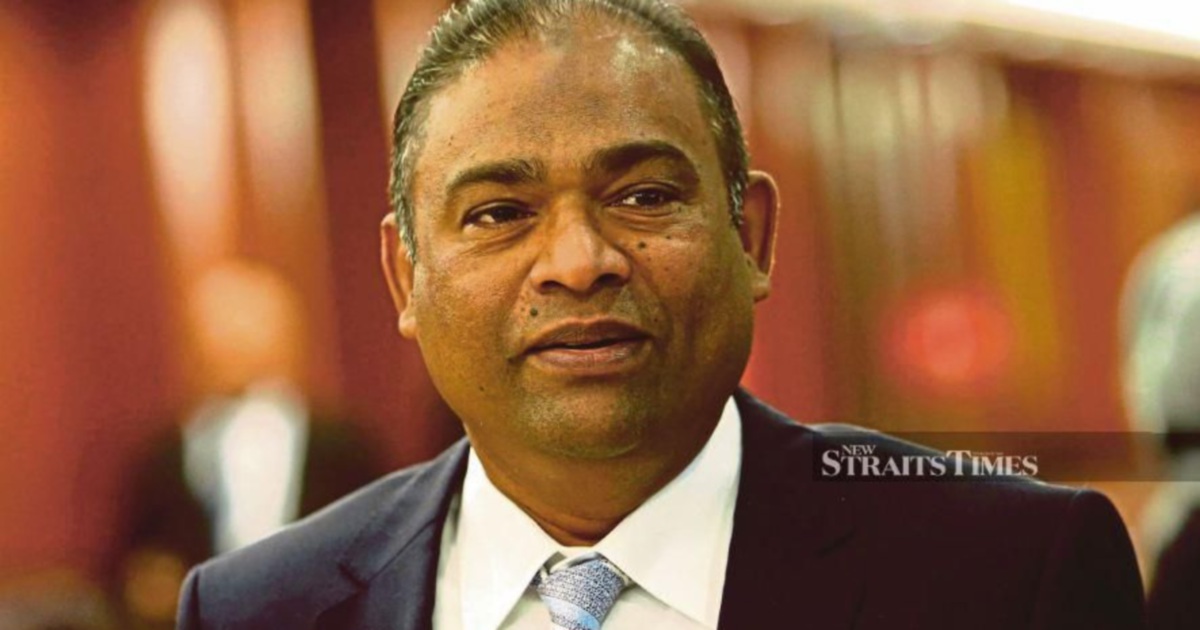
The family of former Tabung Haji chairman Datuk Seri Abdul Azeez Abdul Rahim has issued a swift public denial regarding claims that the veteran administrator faced arrest by the Malaysian Anti-Corruption Commission, with his son Mohamed Khairul Azman stepping forward to clarify the circumstances surrounding what appears to have been a routine investigative contact.
The clarification came in response to circulating reports that suggested the 69-year-old former pilgrimage fund chief had been formally apprehended by MACC officials. Such reports carry significant weight in Malaysia's corporate and political spheres, where investigations into senior figures frequently draw intense public scrutiny and immediate market implications. The Tabung Haji, responsible for managing savings from millions of Malaysian pilgrims planning to undertake the annual hajj, occupies a position of considerable public trust and institutional importance.
Mohamed Khairul Azman's intervention represents a family strategy to manage public perception and correct what the family views as inaccurate characterizations of their engagement with authorities. The distinction between arrest and investigative cooperation holds legal and reputational significance, particularly for someone of Abdul Azeez's stature who has spent decades in positions overseeing substantial public resources and pilgrim welfare programmes.
The broader context involves growing public concern about governance standards and financial accountability at major Malaysian institutions. Tabung Haji has faced scrutiny over its investment decisions and operational management in recent years, with questions raised about portfolio performance and stakeholder returns. Any investigation into senior leadership naturally attracts attention from stakeholders ranging from prospective pilgrims to financial regulators monitoring the institution's compliance frameworks.
ABCC investigations into public sector figures and administrators typically commence following formal complaints, audit findings, or whistleblower information. The commission operates under statutory authority to examine potential breaches of anti-corruption laws, abuse of office, or mismanagement of public funds. When senior figures undergo such inquiries, their cooperation with investigators remains essential to demonstrating institutional integrity and good faith engagement with accountability mechanisms.
The timing of such clarifications often reflects practical considerations beyond mere public relations management. When family members or representatives publicly characterise investigative contact as non-custodial, they frequently aim to preserve reputation while maintaining the subject's ability to continue professional or personal activities. For a former chairman still connected to the institution's ecosystem through past relationships and ongoing business networks, such distinctions carry tangible consequences.
Malaysia's investment community and religious institutions monitor such developments closely, given their potential impact on institutional credibility and future fundraising capabilities. Tabung Haji's standing depends significantly on public confidence in its leadership governance and financial stewardship. News cycles involving senior officials inevitably influence how potential pilgrims view their deposits' security and how institutional stakeholders assess management quality.
The Malaysian Anti-Corruption Commission has expanded its investigative reach across public sector bodies and government-linked institutions over recent years, reflecting commitments under international anti-corruption frameworks and domestic governance reform agendas. Such investigations, while sometimes uncomfortable for those involved, form part of broader efforts to strengthen institutional accountability and public confidence in financial systems managing national resources.
Family statements denying formal arrest proceedings suggest the investigation may remain ongoing or that MACC sought voluntary cooperation from Abdul Azeez regarding specific matters requiring clarification. Such cooperation often proves more efficient than formal detention procedures, allowing investigators rapid access to relevant information while preserving the subject's dignity and reducing institutional disruption.
For Malaysian readers following institutional governance issues, these developments underscore how major public bodies navigate investigation and accountability processes. The situation reflects the tension between maintaining institutional reputation and accepting scrutiny as necessary institutional practice. How organisations respond to internal investigations frequently signals whether they genuinely embrace accountability principles or merely perform compliance obligations.
The denial's public nature suggests the family believes correcting media characterisation serves Abdul Azeez's long-term interests better than remaining silent. In Malaysia's media environment, early clarification often influences broader narrative formation around institutional incidents, potentially affecting how regulators, stakeholders, and the public interpret subsequent disclosures.
Going forward, the focus likely remains on the nature of any formal findings or conclusions MACC reaches regarding Tabung Haji's operations during Abdul Azeez's tenure. Whether the investigation concludes without findings, produces recommendations for governance improvements, or identifies specific conduct breaches will carry implications extending beyond the individual to institutional reform and public confidence trajectories.

