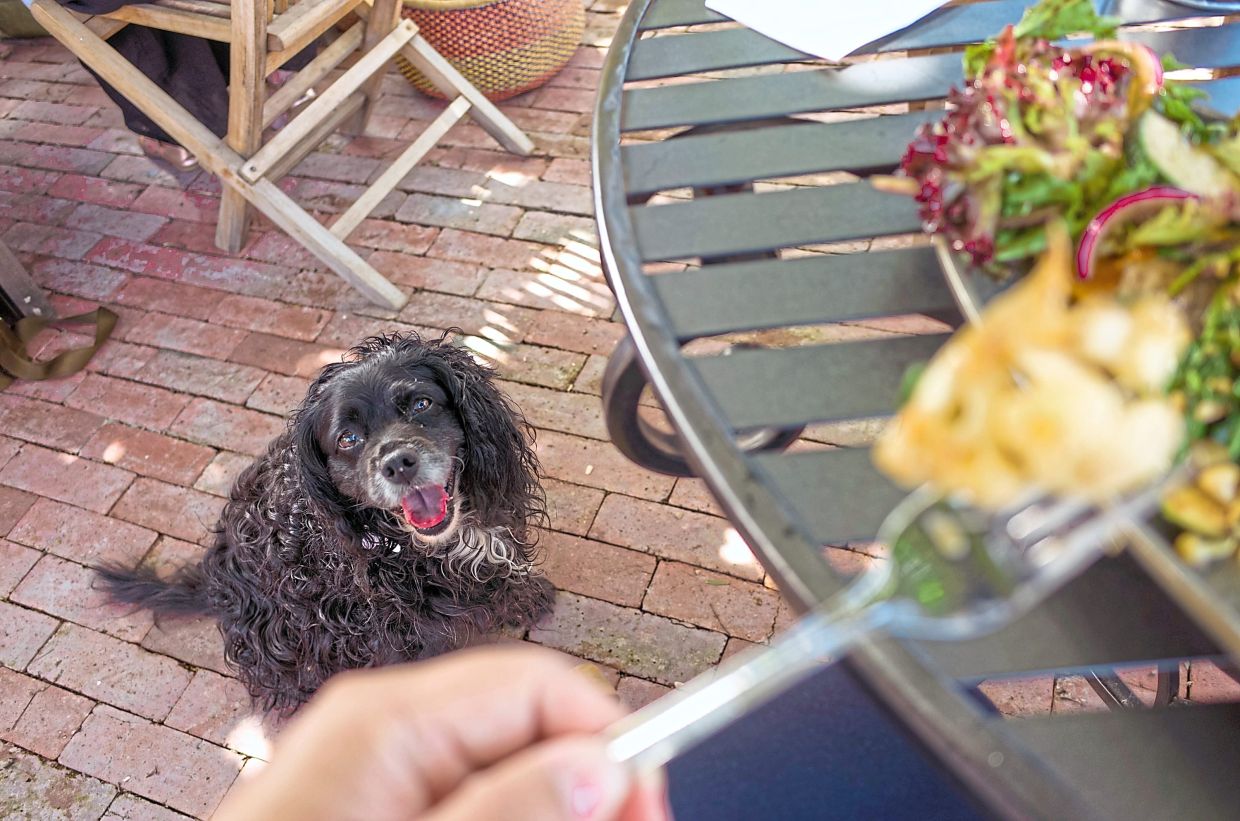
Malaysia's growing pet-friendly dining scene has opened new possibilities for dog owners seeking to include their furry companions in social outings. With an expanding number of cafes, restaurants, and outdoor venues now accommodating canine visitors, the prospect of enjoying a meal alongside your pup has become increasingly feasible. However, the experience demands thoughtful preparation and consistent monitoring to ensure both you and your animal remain comfortable throughout the occasion.
When temperatures rise during Malaysia's warm months, outdoor dining venues become particularly popular gathering spots. Yet these same conditions create specific challenges for dogs, whose bodies regulate heat differently than humans. Extended periods seated in direct sunlight can quickly become problematic, particularly for breeds with thick coats or those naturally prone to heat sensitivity. Understanding these environmental stressors is crucial before committing to an outdoor meal with your pet.
Hydration emerges as perhaps the single most critical factor when dining outdoors with a dog. Pet owners should prepare by bringing a collapsible water bowl from home, ensuring their animal has constant access to fresh drinking water throughout the meal. The combination of warmth, excitement, and activity in a dining environment accelerates dehydration. Watch for telltale signs of heat stress, particularly heavy panting, which signals that your dog has reached its limit and removal to a cooler environment is necessary.
Before settling at your table, conduct a thorough assessment of the immediate surroundings. Dogs possess an instinctive drive to investigate their environment, and the area beneath tables and chairs often harbours forgotten food scraps, dangerous debris, or items that might appeal to your pet's curiosity. Systematically check the ground-level space where your dog will spend most of the meal, removing or avoiding any potential hazards that could lead to accidental ingestion of harmful substances.
Food safety represents another dimension requiring constant vigilance. Certain human foods pose serious health risks to canines, with chocolate and raisins being particularly toxic, capable of causing severe organ damage even in small quantities. Fatty foods commonly served in restaurants can trigger pancreatitis and other gastrointestinal conditions. Beyond these specific dangers lies the general principle that restaurant fare differs fundamentally from your dog's regular diet. Maintain firm boundaries around food sharing, and ensure that guests and dining companions understand that feeding your pet from the table is off-limits, regardless of puppy-dog eyes or apparent interest.
Dogs experience boredom and restlessness differently than their human companions, and an extended meal presents genuine challenges for animals accustomed to more active engagement. A dog confined under a table or tethered nearby may develop anxiety or begin exhibiting disruptive behaviours. Mitigate this by bringing entertainment specifically designed to occupy your pet's attention, such as interactive puzzle toys, long-lasting chews, or appropriate treats that encourage sustained engagement. This strategy benefits not only your dog but also allows you and your companions to enjoy the meal without constant distraction or worry.
The decision to bring your dog along should ultimately reflect your animal's individual temperament and needs rather than convenience alone. Some dogs thrive in busy social environments, drawing energy and enjoyment from the atmosphere. Others find such settings intensely stressful, experiencing anxiety in response to noise, unfamiliar people, and overwhelming sensory input. Honest assessment of your pet's stress tolerance is essential. A dog that becomes anxious or overwhelmed in such conditions will suffer throughout the experience, and your own enjoyment will inevitably be compromised by concern for their wellbeing.
Recognising stress signals in your dog requires attentiveness. Excessive panting beyond what heat or exertion would explain, tucking of the tail, attempts to escape or hide, withdrawal from social interaction, or persistent whining all indicate that your pet is struggling. In such cases, removing your dog from the situation is not failure but rather responsible pet ownership. The temporary disappointment of curtailing your outing pales in comparison to the long-term psychological harm caused by repeatedly placing an anxious dog in stressful circumstances.
The emerging acceptance of dogs in Malaysian dining establishments reflects broader cultural shifts toward recognising pets as integral members of the family. This openness carries with it an implicit responsibility for pet owners to ensure their animals remain welcomed through responsible behaviour and proper management. Owners who navigate outdoor dining thoughtfully—protecting their dogs' physical health, managing environmental stressors, and respecting the boundaries of other diners—contribute to maintaining the goodwill that sustains these pet-friendly policies.
Ultimately, taking your dog to outdoor dining should enhance rather than complicate your leisure time. This objective remains achievable through advance planning, environmental awareness, and genuine prioritisation of your pet's comfort above convenience. When executed thoughtfully, these outings can create meaningful shared experiences while reinforcing the bond between owner and animal. The key lies in accepting that responsible pet ownership sometimes requires making choices that prioritise your dog's wellbeing, even if those choices mean occasionally dining without them.

