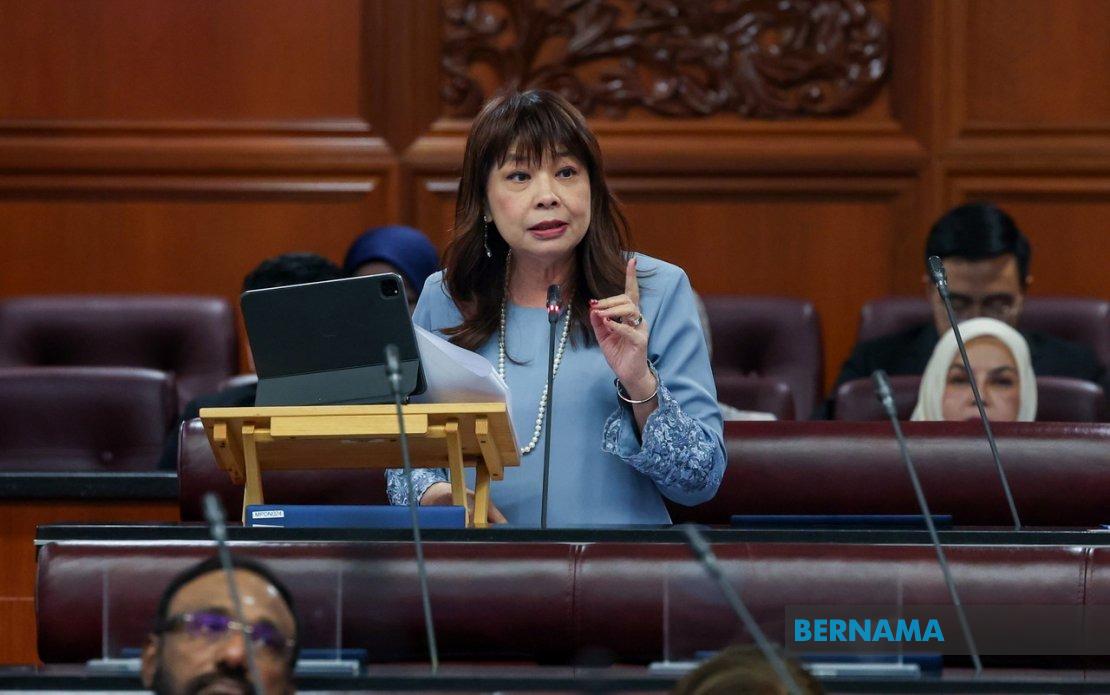
Malaysia's Talian Kasih 15999 hotline, a critical support service for vulnerable citizens, has fielded 9,327 calls specifically concerning domestic violence over the past three years, according to Deputy Minister of Women, Family and Community Development Lim Hui Ying. Speaking during parliamentary question time in Kuala Lumpur on June 30, the minister disclosed that these calls represent a significant portion of the 127,000 total complaints the service has handled across all social and welfare categories during the same 2022 to May 2025 timeframe, underscoring the persistent scale of family-based abuse within Malaysian society.
The resolution rate for domestic violence complaints demonstrates the government's commitment to follow-through action. Lim confirmed that all cases reported through the hotline from 2022 through 2025 have been fully addressed, establishing a complete closure record for historical cases. During the January to May 2025 period alone, the service received 470 domestic violence-related calls, with 406 cases already resolved and 64 remaining actively under investigation and intervention. This metric reveals both the ongoing demand for such services and the ministry's capacity to manage caseloads within reasonable timeframes, though the presence of unresolved cases also signals the complexity many families face when seeking help.
Beyond merely recording complaints, Talian Kasih operates as a gateway to practical protective measures for abuse victims. The Deputy Minister outlined the follow-up interventions available to callers, including assistance in obtaining Emergency Protection Orders and Interim Protection Orders, both of which provide immediate legal safeguards against abusers. Additionally, the hotline facilitates placements in safe shelters where victims can access secure accommodation, counselling, and transitional support while they stabilise their situations. These protective mechanisms represent the operational backbone of Malaysia's domestic violence response infrastructure, transforming a telephone call into concrete legal and physical protection.
A particularly significant revelation from Lim's parliamentary response concerns the demographic evolution of domestic violence in Malaysia. Historically, public discussion and intervention in family violence has centred almost exclusively on female victims, reflecting global patterns where women disproportionately experience intimate partner abuse. However, the Deputy Minister noted that recent data trends indicate a growing number of male victims reporting domestic violence, marking a notable shift in the composition of cases the ministry handles. While the absolute number of male victims remains smaller than female victims, the increasing trajectory suggests either a genuine rise in violence affecting men or, equally plausibly, improved awareness and reduced social stigma enabling men to come forward and seek help.
This expansion of the victim profile carries significant implications for policy design and service delivery across Malaysian social welfare agencies. For decades, domestic violence prevention campaigns, shelter facilities, and counselling services have been structured primarily around female experiences and needs. The recognition that men also constitute a meaningful proportion of victims necessitates careful recalibration of these services to address the distinct barriers and traumas that male victims encounter. Many men hesitate to report abuse due to masculine identity expectations, fear of disbelief, or concern about losing custody of children, obstacles distinct from those typically facing female victims. Lim's statement that the ministry now protects "all races and genders without prejudice" signals an institutional acknowledgement of this reality, though implementation across diverse Malaysian communities will require sustained effort.
The parliamentary question from Datuk Muslimin Yahaya, the PN-Sungai Besar representative, specifically sought clarity on the effectiveness of Talian Kasih and the rate of cases receiving ongoing intervention—concerns that reflect legitimate scrutiny over government service delivery. The response demonstrates measurable progress: the near-universal resolution rate for historical cases and the high conversion rate of recent complaints into active intervention underscore operational effectiveness. However, the 64 unresolved cases from the January to May 2025 cohort warrant attention, raising questions about whether certain categories of cases face systematic delays or whether complexity factors extend resolution timelines.
For Malaysian readers and policymakers, the data illustrates both achievement and persistent challenge within the domestic violence landscape. The volume of calls—9,327 over three years—likely represents only a fraction of actual domestic violence occurring in the country, constrained by awareness gaps, cultural reluctance to involve authorities, and difficulty accessing the service among marginalised communities. Rural residents, migrant workers, and those in economically precarious situations may face additional barriers to contacting Talian Kasih, suggesting the true burden of family violence remains substantially underreported. Comparing Malaysia's statistics with regional and international benchmarks would provide additional context for evaluating whether current service capacity matches actual demand.
The integration of protection orders into the Talian Kasih referral pathway represents an important advancement in victim protection, particularly when abusers pose ongoing threats. However, the effectiveness of Emergency Protection Orders and Interim Protection Orders depends heavily on law enforcement compliance and judicial responsiveness—areas where Malaysian practice has historically shown inconsistency. Victims living in jurisdictions with limited police resources or judges unfamiliar with family violence dynamics may experience delays in obtaining orders or weak enforcement of orders once issued, undermining the theoretical protections available through the system.
The ministry's emphasis on serving victims "without prejudice" to race or gender signals broader inclusivity, yet the statement warrants scrutiny regarding implementation. Domestic violence within ethnic minority communities, LGBTQ+ households, and among migrant domestic workers often remains hidden due to intersecting vulnerabilities and cultural factors. Talian Kasih's effectiveness in reaching and serving these populations depends on multilingual capacity, cultural competency among counsellors, and partnerships with community organisations embedded in these networks. Lim's parliamentary comments do not address these implementation details, leaving open questions about how universal the service's actual reach and responsiveness truly are.
Looking forward, the Deputy Minister's disclosure establishes a baseline for monitoring progress in Malaysia's domestic violence response. Future parliamentary questions should probe trends in resolution timeframes, demographic patterns across victim categories, and outcomes for individuals placed in shelters or issued protection orders. The increasing visibility of male victims suggests that awareness campaigns must evolve beyond gendered messaging to encourage reporting among all affected persons. Additionally, the ministry should consider publishing disaggregated data on case outcomes, including shelter placements, order issuances, and criminal referrals, enabling more sophisticated evaluation of Talian Kasih's impact beyond mere call volume and case closure metrics.

