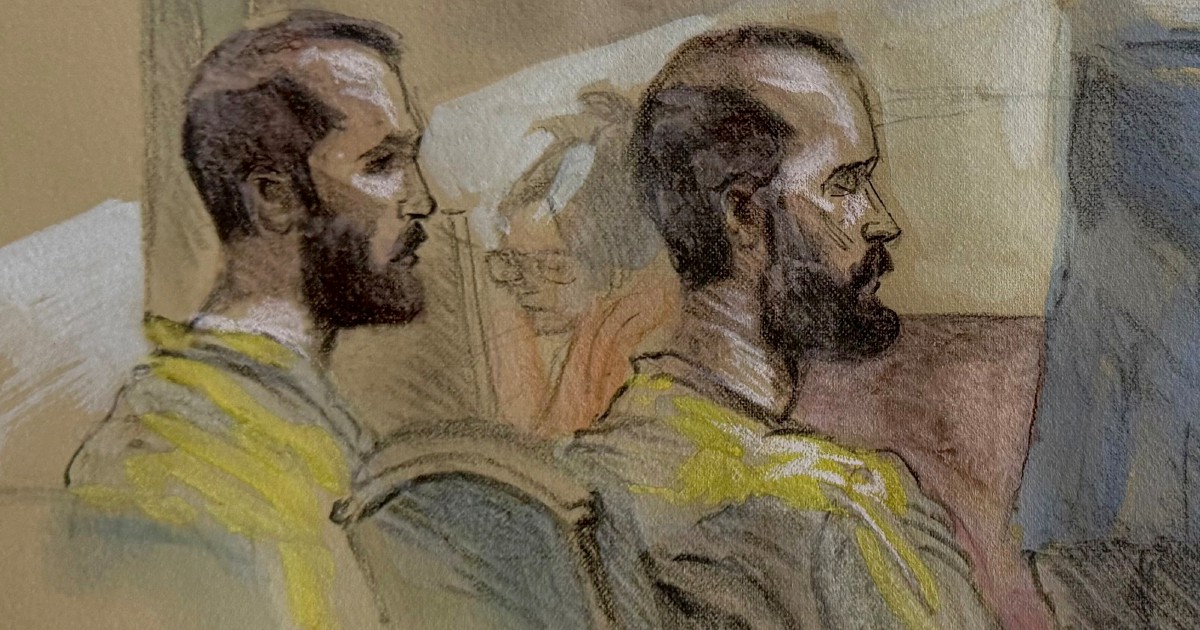
Andrew and Tristan Tate, prominent figures in online influencer circles, will continue their detention in a Miami federal facility as legal proceedings advance over their potential extradition to Britain on serious criminal charges. At a hearing conducted Thursday in Miami federal court, Magistrate Judge Lauren Louis chose not to deliver an immediate verdict on the brothers' bail application, effectively extending their period in federal custody until such time as her formal ruling is issued. The decision to hold the pair reflects the court's cautious approach to bail matters involving high-profile defendants facing international legal complications.
The Tate brothers are sought by British authorities in connection with rape allegations that form the crux of an extradition request from the United Kingdom. Their legal team has mounted a vigorous challenge to the extradition proceedings, arguing against being transferred to face charges abroad. The bail hearing on Thursday represented a critical juncture in the early stages of what appears likely to be a protracted legal battle spanning multiple jurisdictions and involving complex questions of international law and procedural rights.
The decision to postpone the bail ruling carries significant implications for the brothers' immediate circumstances. Remaining in federal custody pending the judge's subsequent determination means they will spend additional days or weeks in confinement while the court weighs the merits of their bail arguments. This continuation of their detention reflects judicial concern about flight risk or other factors that might ordinarily weigh against pretrial release, particularly in cases with international dimensions where defendants face serious allegations.
For Malaysian and Southeast Asian observers, the case illustrates how British and American legal systems cooperate through formal extradition frameworks that represent binding international commitments. The mechanics of the Tate extradition effort demonstrate the sophistication of cross-border law enforcement coordination between allied nations, a model that shapes regional security cooperation arrangements across Asia as well. Malaysia itself participates in various bilateral and multilateral agreements governing extradition, mutual legal assistance, and the pursuit of transnational crime.
The broader context surrounding this case touches on the growing regulatory scrutiny facing social media personalities and online influencers across multiple jurisdictions. As these individuals accumulate substantial followings and financial resources through digital platforms, both law enforcement and judicial systems have increasingly turned attention to alleged criminal conduct by prominent online figures. The Tate case represents one of the most high-profile examples of such accountability efforts, carrying ramifications for how countries worldwide approach investigation and prosecution of allegations involving international influencers.
Magistrate Judge Lauren Louis's decision to defer her ruling rather than announce an immediate determination suggests the complexity of the bail analysis required in this matter. Courts in bail proceedings must consider not only the likelihood of the defendant's appearance for trial but also any danger posed to the community and the strength of the prosecution's case. Where extradition is at issue, additional considerations arise regarding the reliability of the requesting nation's legal system and whether the accused might face unfair proceedings abroad. These multi-layered analytical frameworks often require careful deliberation.
The federal custody arrangement maintaining the Tate brothers in Miami raises logistical and legal questions about the intermediate stages of extradition proceedings. International law provides for detained individuals to contest extradition through domestic courts before being surrendered to foreign authorities. The United States honors these protections rigorously, requiring magistrate judges to satisfy themselves that both the procedural and substantive requirements for extradition have been met. The current phase of the Tate case represents the domestic judicial review stage preceding any potential transfer to British custody.
For online communities and the influencer economy globally, the case carries cautionary implications about the intersection of massive digital influence and legal vulnerability. The Tate brothers cultivated enormous followings and commercial enterprises through social media platforms, accumulating wealth and cultural relevance in the digital sphere. Their detention and the extradition dispute now throw a spotlight on questions of accountability that extend beyond platform moderation to include formal criminal justice systems. The outcomes of their case may influence how various countries approach both regulation of influencer conduct and prosecution of alleged misconduct by prominent online personalities.
The postponement of Judge Louis's bail ruling means the legal proceedings will advance through additional hearings and procedural steps before the extradition question reaches resolution. Defendants in such cases typically pursue multiple layers of challenge, contesting the sufficiency of evidence, the reliability of foreign legal proceedings, and the applicability of relevant treaties. Each stage creates opportunities for legal maneuvering and increases the timeline within which resolutions must occur. For the Tate brothers, this protracted process means extended periods of uncertainty alongside continued confinement.
The case also reflects America's role as a jurisdiction where extradition requests from allied nations are processed with formal judicial oversight. The United States maintains an extensive network of extradition treaties with dozens of countries, and the magistrate court system provides the first venue where these requests receive substantive judicial review. The decision to maintain federal custody pending Judge Louis's formal ruling underscores the seriousness with which American courts treat extradition matters and the protections afforded to defendants even in cases where international cooperation is involved.

