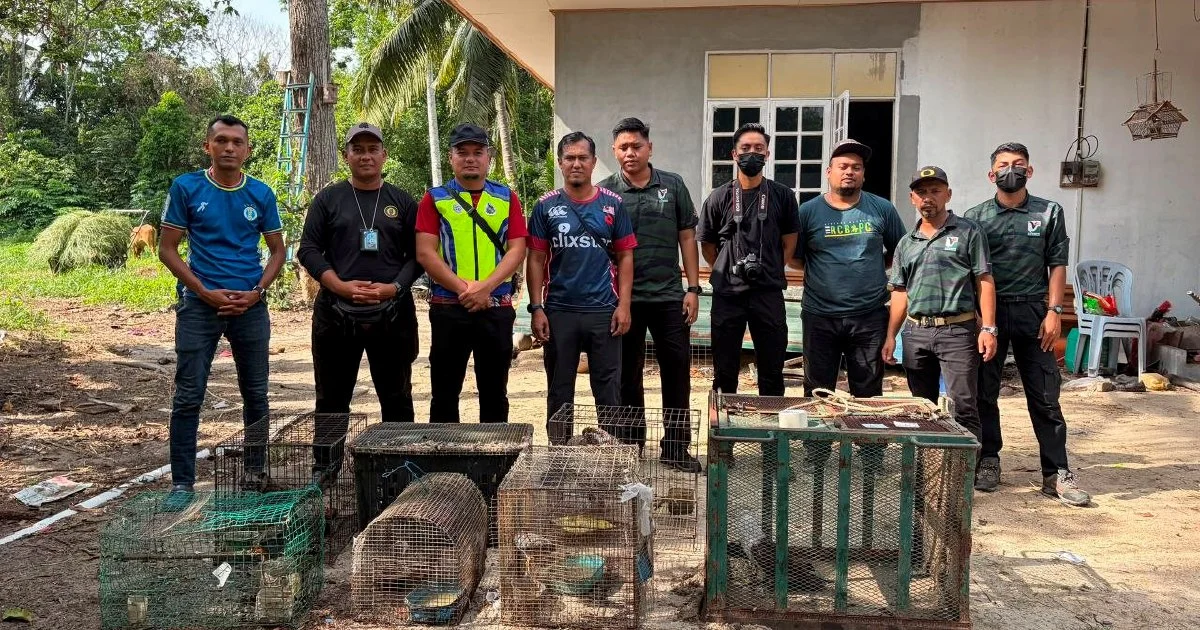
A teenager in Kelantan has been apprehended by authorities in connection with the unlawful possession of endangered animals, signalling continued law enforcement efforts against the illegal wildlife trade in Malaysia. During a search operation carried out in Tumpat today, police discovered that the 18-year-old suspect was harbouring four different species of protected fauna, with the contraband estimated to be worth RM48,500. The arrest underscores the persistent challenge posed by wildlife trafficking networks that operate across the country, exploiting young individuals and fuelling demand for endangered species.
The illegal possession of protected wildlife represents a significant breach of Malaysia's conservation regulations, which are designed to preserve biodiversity and maintain ecological balance. The capture of four distinct species suggests a deliberate operation rather than casual ownership, pointing to potential involvement in a supply chain that caters to illicit markets. The substantial monetary value attached to the animals—RM48,500—reflects both the rarity of the species involved and the commercial incentives driving their illegal trade. This financial dimension makes the wildlife trafficking network particularly attractive to criminal syndicates seeking quick profits.
The involvement of a teenager in this operation raises serious concerns about recruitment patterns within wildlife trafficking circles. Young individuals are increasingly being drawn into illegal activities through social media networks and online marketplaces, where transactions occur away from regulatory scrutiny. Organised syndicates often exploit youth by positioning them as front-line operatives, using them to absorb legal consequences while protecting higher-level distributors and brokers. This strategic use of young offenders complicates enforcement efforts and requires enhanced preventive education targeted at vulnerable populations.
Kelantan has historically been identified as a vulnerability point in Malaysia's wildlife protection framework, owing to its proximity to international borders and established trafficking routes. The state's geographic positioning makes it a transit hub for animals destined for markets in neighbouring countries and beyond. Local enforcement agencies have intensified operations in recent years, yet the persistence of such cases demonstrates that supply-side interventions alone are insufficient to curb the trade. The region requires sustained, coordinated efforts involving community vigilance and improved inter-agency information sharing.
Protected species trafficking depletes wild populations and disrupts ecosystems in ways that extend far beyond individual animals. When apex predators or keystone species are removed through poaching and illegal trade, the cascading ecological effects can destabilise entire habitats across Southeast Asia. The biodiversity hotspots that Malaysia hosts—recognised globally as critical for planetary conservation—are particularly vulnerable to over-exploitation when enforcement capacity is limited. The loss of genetic diversity in wild populations can reduce species resilience to climate change and disease.
Malaysia's legal framework governing protected wildlife includes the Wildlife Protection Ordinance and various international commitments under the Convention on International Trade in Endangered Species (CITES). Offences related to unlawful possession carry substantial penalties, including imprisonment and fines. However, the relative youth of those prosecuted often results in more lenient sentencing, which may fail to serve as an adequate deterrent. Prosecutors and judges increasingly face the delicate balance between rehabilitation and accountability when dealing with juvenile offenders embedded in criminal networks.
The international dimension of wildlife trafficking cannot be overlooked. Many species confiscated in Malaysia are destined for markets in China, Vietnam, and other regional destinations where traditional medicine practices and exotic pet ownership drive demand. The economic disparities between nations, combined with weak enforcement in certain jurisdictions, create conducive conditions for trafficking syndicates to operate with relative impunity. Addressing this challenge requires harmonisation of legal standards and intelligence-sharing mechanisms across Southeast Asia and beyond.
Community reporting mechanisms have proven instrumental in disrupting wildlife trafficking operations in Malaysia. Many successful raids have been preceded by information from vigilant citizens who noticed suspicious activity or unlawful possession. Enhanced public awareness campaigns emphasising the ecological and legal consequences of trading in protected animals can amplify such grassroots enforcement. Local communities, particularly those near wildlife habitats, possess invaluable knowledge about trafficking patterns and should be empowered as partners in conservation.
The arrest in Tumpat reinforces the necessity for comprehensive supply chain investigation beyond merely detaining individuals found in possession of protected fauna. Enforcement authorities must pursue upstream connections to identify procurement sources, distributors, and end-market buyers. Such intelligence-driven policing moves beyond reactive apprehension toward dismantling networks. Intelligence agencies and wildlife enforcement bodies should collaborate to map trafficking routes, identify financing mechanisms, and target the criminal enterprises profiting most substantially from these illicit operations.
Looking ahead, Malaysia's continued fight against wildlife trafficking will depend on multi-stakeholder engagement encompassing government agencies, non-governmental conservation organisations, international partners, and the public. Young offenders can be redirected toward legitimate livelihoods through rehabilitation and vocational training programmes, reducing recidivism and preventing further recruitment into trafficking networks. Simultaneously, addressing root causes of poverty and limited economic opportunity in rural areas may diminish the appeal of illegal wildlife trade as a income source. The Tumpat case, while representing one individual's criminal conduct, reflects broader systemic challenges that require sustained, coordinated regional responses.

