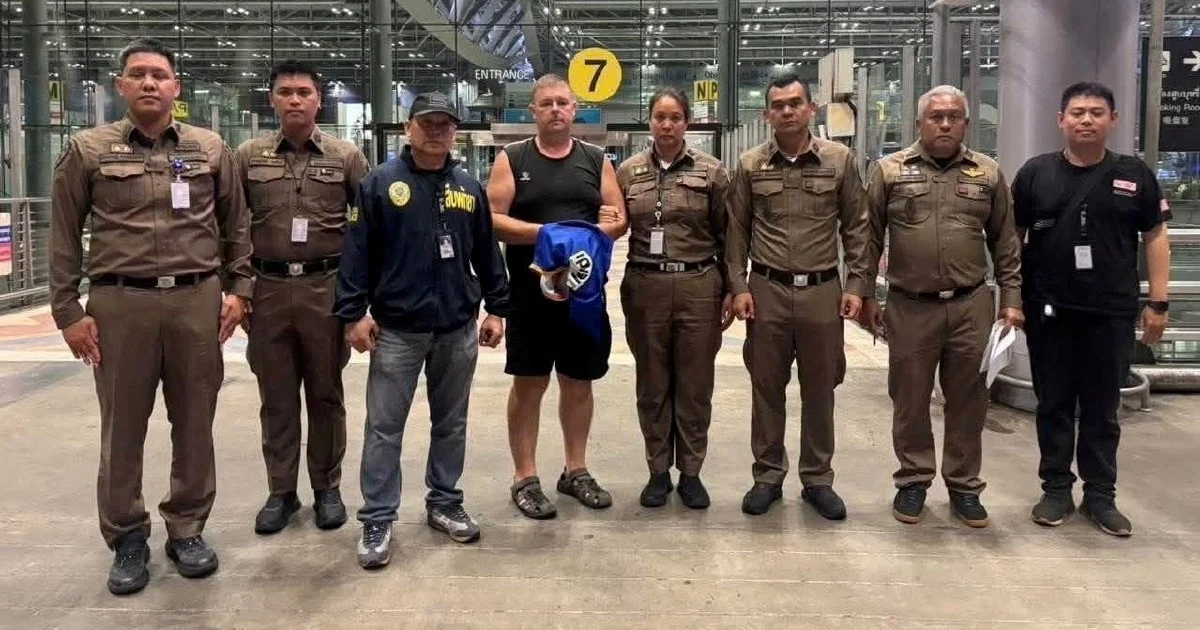
An Australian national is facing murder charges in Thailand after a 17-year-old Thai girl's remains were found inside a suitcase in Pattaya, a revelation that has plunged her family into profound grief. The discovery, made in what has become a shocking criminal case, has drawn immediate attention from both Thai authorities and the diplomatic community, given the involvement of a foreign national and the tragic circumstances surrounding the teenager's death.
The girl's family members have publicly expressed their anguish and disbelief at losing a young member of their household in such brutal circumstances. Their statements reflect not only the personal trauma of bereavement but also the broader questions surrounding safety and justice that such cases inevitably raise in Thailand, a nation where foreign visitors and residents number in the millions annually. The emotional toll on those closest to the deceased has been evident as they navigate the legal processes that will determine accountability and closure.
Pattaya, a coastal city renowned for its tourism industry and diverse expatriate population, has once again become the backdrop for a serious criminal investigation. The resort destination, located approximately 150 kilometres southeast of Bangkok, regularly handles complex cases involving both Thai nationals and foreign suspects. The presence of large numbers of international visitors and long-term foreign residents in the area creates an environment where such incidents, while statistically uncommon given the volume of people passing through, carry significant implications for how Thailand manages both criminal justice and international relations.
The arrest of the Australian man represents a critical first step in the investigative process, though the precise circumstances of his detention, the evidence against him, and the timeline of events leading to the discovery remain subject to ongoing police procedures. Thai authorities have been thorough in their initial response, applying standard criminal investigation protocols that involve evidence collection, witness interviews, and coordination with relevant government agencies. The seriousness of the charge—murder—reflects the gravity of the situation and indicates that investigators have secured sufficient evidence to move forward with formal prosecution.
The involvement of an Australian national in such a high-profile case inevitably draws the attention of the Australian embassy in Bangkok, which typically provides consular assistance to its citizens facing legal proceedings abroad. These situations present delicate diplomatic and legal considerations, as Australia maintains established relationships with Thai counterparts through formal agreements and informal cooperation mechanisms. However, the responsibility for investigating and prosecuting the crime falls squarely within Thailand's jurisdiction, where the alleged offence occurred and where the victim was a Thai national.
For the broader tourism and expatriate community in Thailand, incidents of this nature raise uncomfortable questions about personal safety and the screening of individuals who choose to reside in or visit the country. While serious crimes involving foreigners remain relatively uncommon given the scale of tourism and long-term residency in Thailand, each case contributes to public discourse about security measures, reporting mechanisms, and the effectiveness of law enforcement cooperation at both national and international levels.
The family's struggle to comprehend how such a tragedy befell their daughter likely involves not only emotional shock but also practical challenges in navigating a foreign legal system and understanding the investigative process. The Thai legal framework, while comprehensive, operates according to procedures and timelines that may differ significantly from what families from other nations might expect. Support services and victim advocacy resources in Thailand have expanded in recent years, though families in traumatic situations often find themselves confronting both institutional processes and profound personal loss simultaneously.
The case will likely proceed through Thailand's criminal justice system, which includes investigation by the Royal Thai Police, review by prosecutors, and eventual trial before a Thai court. The seriousness of the charge and the international dimensions of the case may attract media scrutiny both in Thailand and Australia, potentially influencing public perception of the judicial process while authorities work to establish a clear factual record. The outcome of the investigation will carry implications not only for the Australian suspect and the victim's family but for how Thailand manages complex cases involving cross-border elements.
As the investigation continues, the focus will remain on gathering evidence, understanding the circumstances of the teenager's death, and ensuring that the legal process proceeds according to established protocols. For the grieving family, the path forward involves seeking answers, pursuing justice, and eventually finding some measure of closure—a journey that will likely extend over many months as the case makes its way through the formal legal system in Thailand.

