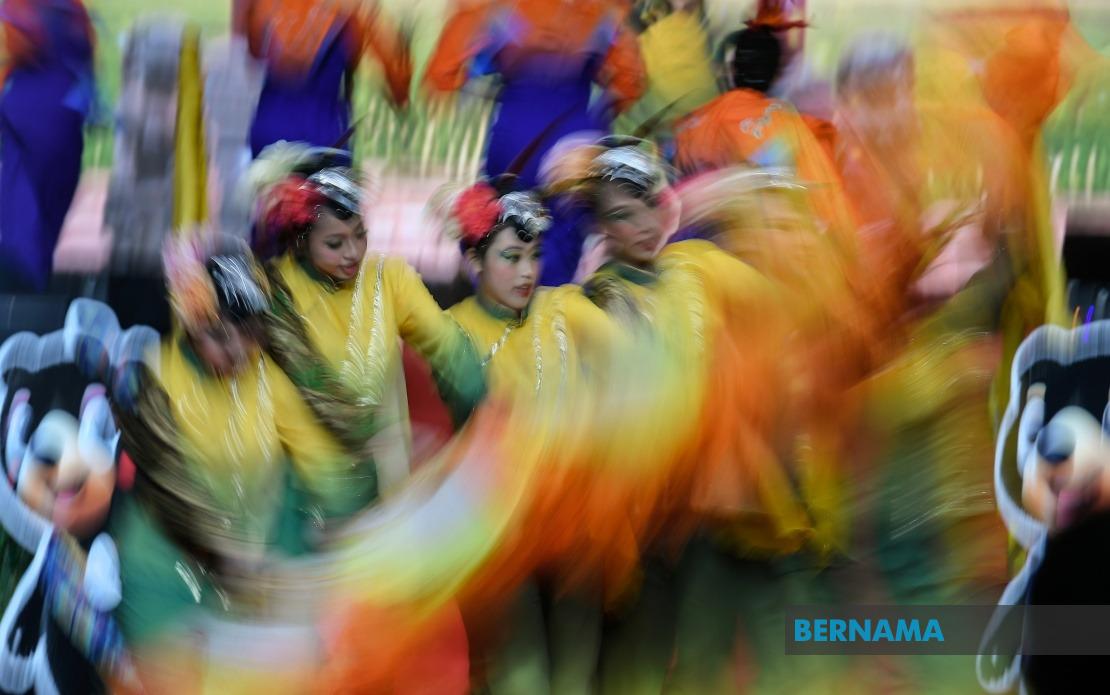
Malaysia's Ministry of Tourism, Arts and Culture has committed to making Temasya Orang Kedah a permanent fixture on the nation's tourism landscape, citing the festival's remarkable success in drawing visitors and stimulating regional economic activity. The declaration came during the opening of the 2026 edition at Darul Aman Stadium in Alor Setar, where officials highlighted the event's growing importance in reversing the trend of Malaysians spending holidays abroad and instead encouraging domestic travel that benefits local communities.
The festival's momentum reflects a broader strategy within government circles to leverage cultural events as economic tools. Ministry Secretary-General Datuk Shaharuddin Abu Sohot explained that large-scale gatherings like Temasya Orang Kedah serve purposes beyond entertainment, functioning as engines that drive consumer spending, create temporary employment, and generate revenue for small and medium enterprises throughout the state. This approach aligns with Malaysia's wider initiative to strengthen domestic tourism as a counterbalance to international travel expenditure that typically flows outward.
Attendance figures underscore the festival's drawing power within the Malaysian tourism ecosystem. Officials revealed that approximately 540,000 visitors attended the previous edition, with this year's target set at 550,000 attendees. The uptake has extended beyond Kedah's borders, with substantial contingents arriving from Selangor and Perak, alongside cross-border visitors from Thailand. This geographic diversity suggests that the festival has transcended its regional identity to become a destination event with inter-state appeal, a development that could reshape how northern Malaysia positions itself within the national tourism marketplace.
Kedah Menteri Besar Datuk Seri Muhammad Sanusi Md Nor seized on the occasion to emphasize entrepreneurial opportunities unlocked by the gathering. The sixth iteration of the festival features 130 commercial booths displaying food products and merchandise, providing platforms for local vendors to reach audiences beyond their immediate communities. The menteri besar articulated an ambitious vision of expanding the festival to attract one million visitors in subsequent years, a goal that would catapult Temasya Orang Kedah into the tier of Malaysia's most significant cultural tourism events and substantially amplify its economic multiplier effects.
The strategic positioning of Temasya Orang Kedah reflects recognition within government that festivals and cultural events constitute genuine economic interventions rather than mere entertainment. For business owners and entrepreneurs across Kedah, the event provides concentrated customer exposure and sales opportunities that would require significantly larger marketing budgets to achieve through conventional channels. This democratization of market access particularly benefits small retailers and food vendors who typically operate with limited promotional resources, enabling them to compete on a more level playing field.
International tourism considerations have also shaped the ministry's approach to the festival. While global uncertainties, including geopolitical tensions between the United States and Iran, have created headwinds for some tourism markets, Malaysia's officials have strategically redirected promotional resources toward less-affected regions. The ministry has intensified outreach to South Korea, China, Australia, and Southeast Asian markets, with encouraging early results. This recalibration suggests that festival events like Temasya Orang Kedah will increasingly serve dual functions: anchoring domestic tourism activity while simultaneously functioning as international marketing assets that position Malaysia as a cultural destination.
The timing of Temasya Orang Kedah intersects significantly with broader national tourism planning, particularly the Visit Malaysia Year 2026 initiative. Officials indicated that promotional preparations for this larger campaign are progressing without substantial disruption, with the festival serving as a practical testing ground for tourism infrastructure, crowd management, and visitor experience protocols. The lessons derived from hosting 550,000 people at a regional festival will inform how Malaysia manages projected international visitor volumes during the dedicated VM2026 marketing year, creating operational efficiencies across the national tourism apparatus.
For northeastern Malaysia specifically, the sustained commitment to Temasya Orang Kedah represents more than cultural celebration. It signals governmental confidence in the region's capacity to attract and accommodate visitors, potentially catalyzing secondary investments in hospitality infrastructure, transportation networks, and service sector development. Hotels, restaurants, and transportation providers throughout Kedah benefit from predictable annual visitor surges, encouraging business expansion and skill development in the tourism workforce. This virtuous cycle of investment and employment creation has implications extending beyond the festival period itself.
The festival's success also reflects demographic and economic shifts within Malaysia that favor intra-national leisure travel. Rising middle-class incomes, improving road infrastructure, and changing consumer preferences have increased domestic holiday-taking, creating opportunities for regional destinations to capture spending that previously flowed toward international destinations. Temasya Orang Kedah positions Kedah favorably within this emerging market dynamic, offering cultural authenticity and local flavor that distinguish it from more commercialized attractions elsewhere in Malaysia.
Looking forward, the ministry's endorsement of Temasya Orang Kedah as a permanent tourism feature carries implications for how Malaysia develops its tourism brand regionally. Rather than concentrating visitor attractions in established destinations like Kuala Lumpur or Penang, the government has signaled commitment to distributing tourism benefits across the federation. This devolutionary approach potentially addresses historical imbalances in tourism revenue concentration and creates more inclusive economic growth pathways for smaller and medium-sized states seeking tourism sector participation and diversification away from traditional extractive industries.

