Selangor's commanding performance at the Malaysia Games 2026 has prompted the state's Raja Muda to articulate a strategic vision for consolidating that success through systematic grassroots development. Tengku Amir Shah Sultan Sharafuddin Idris Shah argues that the state's medal haul—comprising 101 gold, 73 silver and 71 bronze medals to secure the overall championship—represents not merely a sporting achievement but a foundation upon which more ambitious community-level athletic programmes must be constructed.
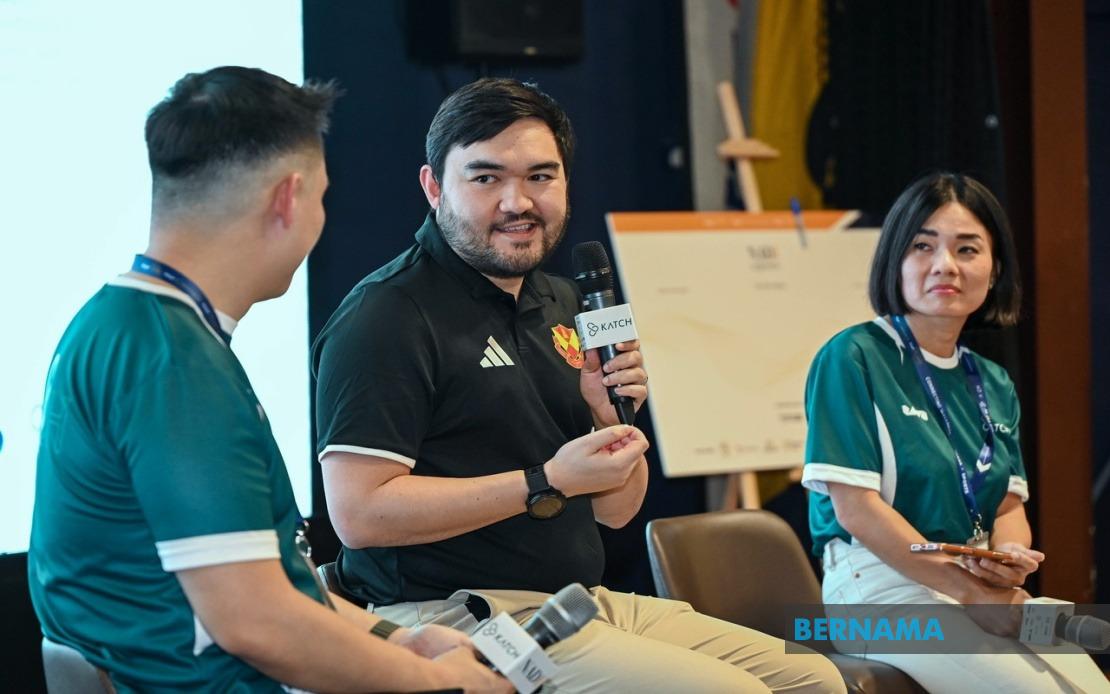
The Raja Muda's position reflects a deepening conviction that competitive infrastructure must permeate youth populations at the neighbourhood and district level. Speaking at the NADI Connecting Wellness, Fitness and Sports With RMS event in Petaling Jaya on August 27, he underscored that young athletes require more than occasional opportunities to participate; they need regular, structured competitions that provide both immediate objectives and longer-term developmental frameworks. This emphasis on frequency—competitions occurring weekly rather than sporadically—marks a departure from approaches that treat athletic engagement as episodic.
Tengku Amir Shah articulated a theory of motivation that positions competitive engagement as instrumental to sustained training discipline. When young athletes know they will compete the following weekend, he suggested, the intervening week acquires purpose and structure. Training transitions from abstract fitness building into preparation for specific, tangible contests. This psychological dimension—cultivating what he termed a winning and goal-oriented mindset—operates as a multiplier across entire sports ecosystems, according to his analysis. The competitive mentality fostered through regular contests, he implied, becomes self-reinforcing and transferable across different sports and life domains.
The Raja Muda's personal trajectory through community sports structures lends empirical weight to this reasoning. His involvement with the Selangor Youth Community prior to his deeper engagement with football exposed him to grassroots dynamics that formal national structures often overlook. This experiential foundation shaped his conviction that community-level intervention remains crucial despite the sport system's increasingly professionalized upper echelons. For Malaysian policymakers and sports administrators, his testimony carries particular weight given his position and demonstrated commitment to the sector.
A critical case study informing his advocacy is the Selangor Champions League, which he helped establish before assuming formal responsibilities with the Football Association of Selangor. This initiative assembled active social football teams operating across the state and provided them with a competitive platform to determine hierarchical rankings. The league functioned simultaneously as a talent identification mechanism and as a competitive stimulus for established players seeking higher visibility. Its success demonstrates, in Tengku Amir Shah's assessment, that community competitions serve dual purposes: they identify emerging talent while simultaneously raising performance standards among existing participants through peer competition.
The Raja Muda identified the sport selection strategy for SUKMA 2026 as exemplifying sound developmental thinking. By broadening the competitive canvas beyond traditional disciplines, Selangor created opportunities for young athletes across multiple sports to demonstrate capability, sportsmanship, and competitive intensity. This portfolio approach acknowledges that talent and passion for athletics distribute unevenly across different disciplines within any given population. Expanding the sports represented at major games tournaments effectively widens the pipeline through which young people can channel athletic ambition.
Looking forward, Tengku Amir Shah proposed replicating the Selangor Champions League model across sports experiencing growth in public participation. He specifically identified pickleball and chess as emerging disciplines warranting similar community competition frameworks. This suggestion carries implications beyond mere sport administration. Both pickleball and chess represent demographically diverse participation bases; they attract participants across age ranges and socioeconomic categories. Establishing robust grassroots competitions in these sports would align competitive infrastructure with actual participation patterns rather than maintaining structures designed around traditional sports that may no longer dominate grassroots engagement.
For Southeast Asian observers, Tengku Amir Shah's emphasis on regular grassroots competition reflects broader regional conversations about sustainable sports development. Nations across the region grapple with translating occasional international success into permanent elevation of sporting standards. The tension between investment in elite pathways versus grassroots infrastructure remains unresolved in many countries. Selangor's apparent commitment to resolving this tension through expanded community competition offers a model meriting examination by other state and national sports authorities throughout the region.
The practical architecture for implementing expanded grassroots competitions presents genuine challenges. Securing consistent funding, identifying and developing competition management personnel, and creating transportation and logistical frameworks to enable regular weekend competitions demands sustained institutional commitment. Yet Tengku Amir Shah's framing suggests these challenges are surmountable given appropriate political will and resource allocation. His emphasis on competitive regularity—competitions every weekend rather than episodically—establishes an ambitious target that would require systematic coordination across multiple stakeholder groups.
The connection between Selangor's SUKMA success and grassroots development advocacy illuminates a strategic understanding of athletic systems as integrated ecosystems rather than discrete tiers. Elite performance at major games tournaments, in this framework, cannot be sustained or replicated without robust foundational structures continuously developing emerging talent and maintaining competitive intensity throughout broader populations. The Raja Muda's intervention at the NADI event, alongside 50 wellness, fitness and sports leaders, positioned this perspective within broader conversations about sectoral direction and community building within Malaysia's sports landscape.
Implementing Tengku Amir Shah's vision would require realigning how Malaysian states and sports federations allocate resources between elite competition and grassroots engagement. The current emphasis on showcasing capability at infrequent major tournaments arguably starves consistent community competition. A rebalancing toward regular grassroots contests would theoretically generate more substantial talent pools and more deeply embedded competitive cultures. Whether state and national sports administrations will embrace this reorientation remains uncertain, but the Raja Muda's post-SUKMA advocacy suggests that at least within Selangor, momentum exists for examining how consolidated championship success might catalyse systemic sporting transformation.

