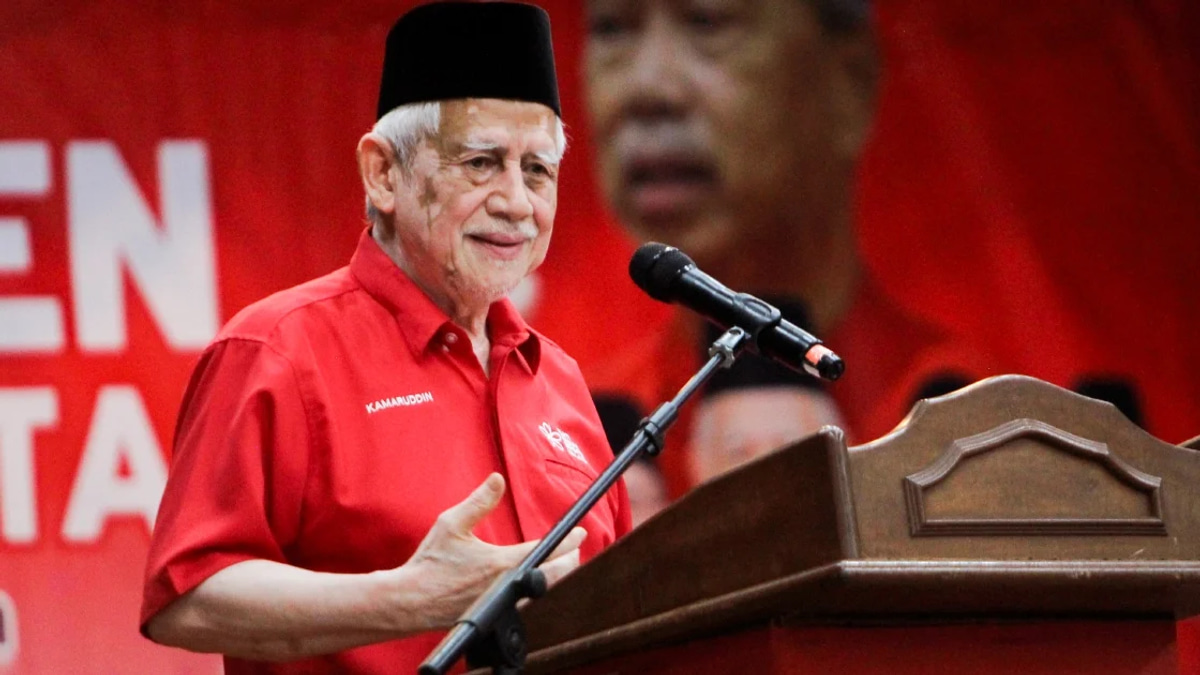
Tengku Datuk Seri Zafrul Tengku Abdul Aziz, who serves as senior political adviser to the prime minister, has formally indicated his wish to contest a parliamentary seat in Selangor during the forthcoming 16th General Election. The move marks a significant step in his political trajectory, signalling both his ambitions within the ruling coalition and his confidence in the party's electoral prospects in the key state that has become a crucial battleground.
The Selangor announcement carries substantial weight given the state's political significance in Malaysia's electoral landscape. As the nation's most populous state and an economic powerhouse, Selangor has repeatedly determined the outcome of general elections and served as a bellwether for national political sentiment. Control of Selangor's state government and federal representation has long been contested fiercely between competing coalitions, making any candidacy announcement there a matter of considerable strategic importance.
Tengku Zafrul's position within the prime ministerial office places him at the intersection of policy formulation and political strategy. His role as senior adviser gives him visibility and credibility across party hierarchies, yet also subjects him to heightened scrutiny regarding his political intentions and the timing of such announcements. The proposal to contest seats in Selangor suggests confidence in his standing within the administration and the party machinery responsible for vetting and approving candidacies.
The broader context of this development involves ongoing discussions within Malaysia's ruling coalition about candidate selection for GE16. Electoral mathematics in Selangor remain complicated by demographic shifts, urbanisation patterns, and the fragmented nature of the state's political geography. Multiple constituencies offer varying degrees of competitiveness, and strategic allocation of candidates often reflects calculations about party strength, incumbent performance, and demographic advantageousness. Tengku Zafrul's bid enters this complex calculus at a time when party leadership must balance experience with fresh faces and senior government officials with grassroots mobilisation capacity.
For Malaysian voters and political observers, the significance of such candidacy proposals extends beyond the individual candidate. These announcements often provide early signals about party direction, the relative influence of different factions within political organisations, and assumptions regarding electoral viability. When senior government officials step forward for parliamentary contests, it typically indicates either confidence in electoral prospects or perceived necessity to inject senior expertise into political campaigns. Both interpretations carry implications for how the ruling coalition approaches the next electoral cycle.
The Selangor political environment has demonstrated considerable volatility over recent election cycles, with voter preferences shifting in response to local governance performance, national policy impacts, and broader coalition dynamics. Urban constituencies within Selangor have shown particular sensitivity to economic concerns, transparency issues, and demographic changes affecting younger voters. A candidate with Tengku Zafrul's background must navigate these complexities while maintaining credibility both within party structures and among potentially sceptical urban electorates.
GE16 itself remains subject to constitutional and procedural timing. Malaysia's constitutional framework provides windows for general elections, though precise timing rests with the sitting prime minister. Speculation about the election's timing influences candidate strategies, internal party calculations, and opposition positioning. Tennku Zafrul's formal proposal to contest reflects his preparation for electoral engagement within these anticipated timeframes, demonstrating readiness to campaign and compete at the parliamentary level.
The proposal also invites consideration of how Malaysia's political parties continue adapting their candidate selection processes amid evolving circumstances. Balancing representation needs across different demographic groups, geographic regions, and ideological positions within broader coalitions requires sophisticated strategic thinking. Tennku Zafrul's entry into candidacy discussions contributes one more element to these internal deliberations, particularly given his policy profile and official position.
Regionally, Malaysian electoral dynamics continue attracting attention across Southeast Asia as countries monitor peer experiences with electoral competition and coalition management. How senior government officials position themselves for parliamentary contests, and how party structures respond to such proposals, offers insights into institutional maturity and democratic practice. Selangor's particular importance as an urban, economically advanced state makes developments there especially relevant for understanding how Malaysian parties compete for support in modernised constituencies.
The path from candidacy proposal to actual nomination and election campaign involves multiple steps and approval processes within party structures. Tennku Zafrul's willingness to publicly propose his candidacy demonstrates confidence in his position, yet actual selection depends on party machinery and leadership endorsement. This interval between proposal and nomination often provides opportunities for constituencies to assess candidates, for party structures to evaluate options, and for political dynamics to shift in response to broader national developments.
Moving forward, observers will monitor whether Tennku Zafrul's Selangor proposal receives formal party nomination and how his campaign develops should he proceed to contest. His positioning as a senior adviser with government experience offers potential advantages in articulating administrative achievements and policy direction, though also invites scrutiny regarding his official responsibilities and how political campaigning relates to those duties. The broader trajectory of candidate announcements from within Malaysia's ruling coalition will similarly shape the electoral landscape heading into GE16.
Ultimately, Tennku Zafrul's candidacy proposal reflects normal political processes through which ambitious senior figures seek parliamentary mandates. It simultaneously highlights ongoing questions about coalition strategy, candidate quality, and how Malaysia's political parties anticipate the competitive environment for general elections. As additional candidates announce their intentions and party selections proceed, the full picture of how coalitions position themselves for GE16 will gradually emerge.