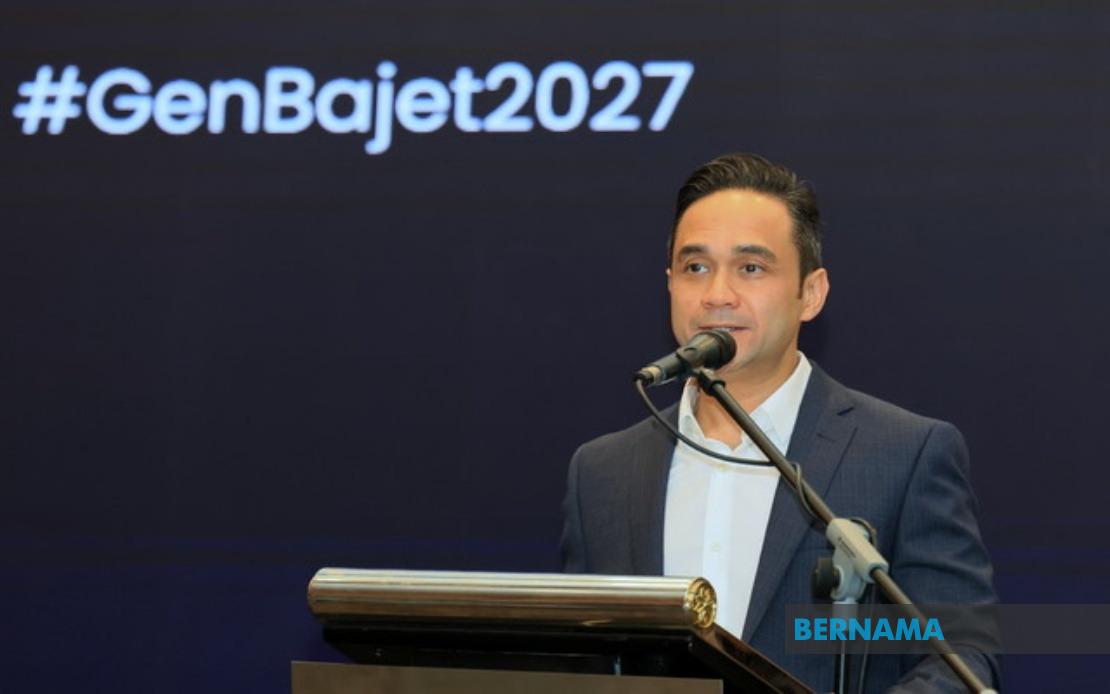
Malaysia's Bumiputera Agenda Steering Unit (TERAJU) is pressing the government to make the Bumiputera Economic Transformation Plan 2035 (PuTERA35) a centrepiece of next year's federal budget, with officials emphasising that adequate financial resources are essential to translate strategic ambitions into tangible economic gains for the community. Speaking in Cyberjaya, TERAJU's Strategic Services Division senior director Nik Nazree Nik Abdul Rahman outlined how the success of the decade-long initiative hinges on securing the necessary budgetary support to move forward with a comprehensive portfolio of programmes designed to reshape Bumiputera participation across the economy.
The PuTERA35 framework, launched in August 2024, represents a systematic and data-driven approach to economic empowerment, centring on 132 distinct initiatives organised around three core pillars and twelve strategic drivers. These initiatives form part of the broader MADANI Economy agenda championed by Prime Minister Datuk Seri Anwar Ibrahim, whose administration has positioned Bumiputera economic advancement as integral to Malaysia's medium-term growth trajectory. The plan stretches across a full decade from 2024 to 2035, providing a roadmap for gradually increasing Bumiputera ownership, control, and meaningful participation across key economic sectors. This extended timeframe reflects recognition within government circles that sustainable transformation requires patient, coordinated investment rather than sporadic interventions.
According to Nik Nazree, the initiatives currently identified through to 2035 collectively target the fundamental objective of improving Bumiputera socio-economic development across multiple dimensions. The unit is seeking Budget 2027 allocation specifically designated for rolling out these programmes with sufficient intensity and breadth to generate measurable outcomes by the planned 2030 interim milestone. Officials believe that without robust financial backing, the ambitious targets underpinning PuTERA35 risk remaining aspirational rather than achieving concrete results in enterprise creation, employment generation, and wealth accumulation within Bumiputera communities.
Crucially, TERAJU has highlighted the energy transition sector as a particularly promising avenue for expanding Bumiputera business opportunities in the coming years. As Malaysia accelerates its shift toward renewable energy and sustainable economic practices, officials see significant potential for Bumiputera entrepreneurs to establish themselves in solar, wind, battery technology, and related value chains. This positioning would allow the community to participate not merely in traditional sectors but in the frontier industries shaping Malaysia's competitive advantage in the green economy. Energy transition represents the kind of transformative opportunity that could significantly reshape wealth distribution if Bumiputera enterprises gain meaningful footholds during the sector's expansion phase.
Beyond sectoral opportunities, TERAJU has identified strengthening capital market access as another critical gap in current Bumiputera enterprise development infrastructure. The unit points out that financial system support mechanisms remain underdeveloped relative to the scale of ambition embedded in PuTERA35. Accessing equity financing, bond markets, and institutional investment remains challenging for many Bumiputera enterprises that lack the scale, track records, or connections to navigate sophisticated capital markets independently. Budget 2027 could allocate resources toward capacity-building programmes, market-making incentives, and facilitative mechanisms that would help qualified Bumiputera businesses tap into Malaysia's relatively deep and sophisticated financial markets.
Implementation progress tracking reveals a nuanced picture of advancement. TERAJU reports that approximately 67 per cent of PuTERA35 implementation activities have been executed to date, suggesting substantial work is already underway across government agencies and implementing partners. However, officials acknowledge that implementation statistics alone do not answer the fundamental question of whether these activities are delivering the intended socio-economic outcomes for Bumiputera communities. There is evident concern within TERAJU that activity completion does not necessarily correlate with improved enterprise viability, income distribution, or wealth creation among target beneficiaries. This distinction between process implementation and outcome achievement represents a critical challenge for the programme's credibility and future resource allocation.
Governance and monitoring frameworks supporting PuTERA35 operate through multiple channels, with TERAJU coordinating implementation alongside several working committees and the broader Bumiputera Economic Council chaired by Prime Minister Anwar Ibrahim. This multi-level oversight structure reflects the cross-cutting nature of the initiative, which touches virtually every ministry and significant state government functions. Regular reporting and assessment mechanisms exist to track progress, though officials have acknowledged the need for more rigorous evaluation of actual economic outcomes rather than mere activity metrics. The planned release of a comprehensive PuTERA35 implementation performance report by year-end will provide the government and stakeholders with detailed evidence of where the programme stands after two years of operation.
For Malaysian readers and regional observers, the budget allocation decisions surrounding PuTERA35 carry broader significance beyond immediate Bumiputera policy circles. The funding levels committed in Budget 2027 will signal government priority and realistic commitment to economic inclusion as a central development objective. In a regional context where inclusive growth has become rhetorically central to most Southeast Asian governments' development narratives, Malaysia's actual resource commitment to Bumiputera advancement will demonstrate whether the nation follows through on its stated equity commitments or treats them as peripheral to macroeconomic priorities. The budget decision will also influence investor confidence regarding Malaysia's policy stability and predictability, as multinational and regional corporations evaluate whether Bumiputera participation requirements in key sectors represent enduring policy fixtures or negotiable positions.
TERAJU's push for Budget 2027 support arrives amid broader government discussions about fiscal constraints and competing priorities. The unit must make a compelling case not merely that PuTERA35 deserves funding, but that such funding will deliver measurable returns relative to alternative uses of public resources. This requires moving beyond general aspirations toward concrete evidence that the 132 initiatives identified represent high-impact, efficiently-delivered programmes. Officials will likely emphasise multiplier effects, job creation potential, and entrepreneurship development outcomes in their budget submissions, translating economic transformation objectives into fiscal language that Treasury officials find persuasive.
Looking forward, the trajectory of PuTERA35 will substantially depend on Budget 2027 decisions and subsequent annual allocations through 2035. The plan's success will ultimately be measured not by implementation percentages but by whether Bumiputera economic participation materially improves, whether new generations of successful Bumiputera entrepreneurs emerge across diverse sectors, and whether wealth distribution becomes more balanced across Malaysia's communities. These outcomes require sustained, intelligent investment combined with genuine institutional commitment across government, particularly from agencies responsible for business development, skills training, and access to financing and markets. Budget 2027 represents a crucial inflection point where rhetorical commitment meets financial reality.

