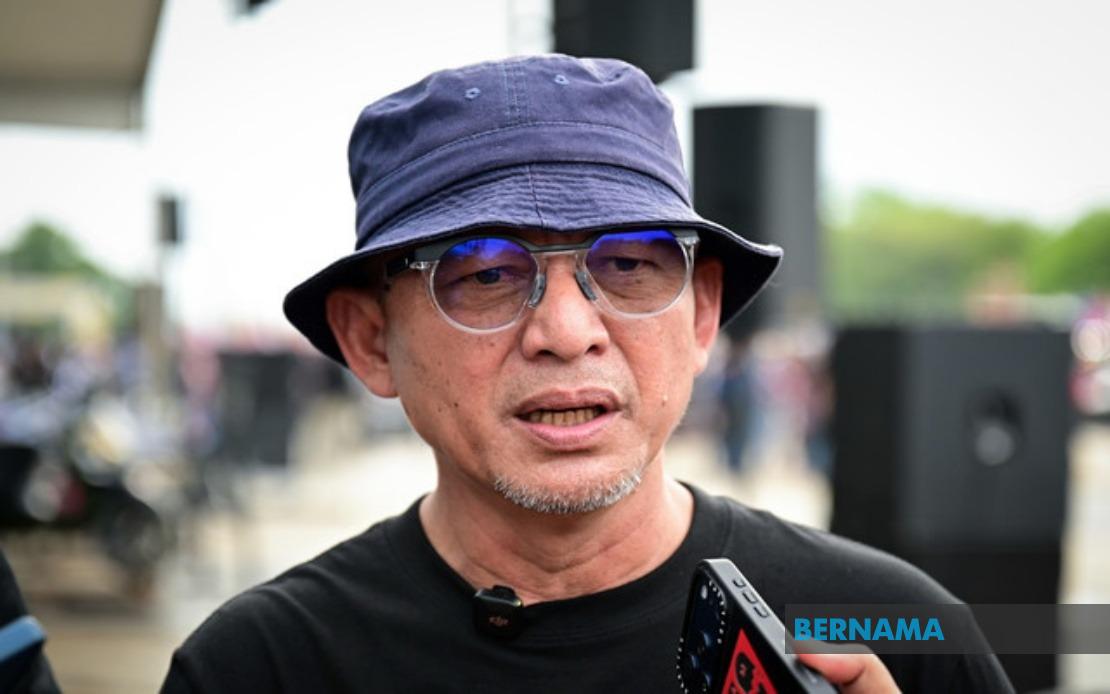
Terengganu state authorities have moved to assure the public that the newly unveiled Visit Truly Terengganu 2027 tourism logo fully adheres to Islamic guidelines and principles, addressing concerns about the representation of animal imagery in the design. State Tourism Committee chairman Datuk Razali Idris made the clarification on July 12 following the closing ceremony of the Terengganu Classic Festival 2026, which attracted nearly 10,000 visitors and featured over 500 vintage vehicles dating from the 1960s onwards.
The refresh from the previous 2007 logo reflects contemporary design sensibilities while maintaining cultural and religious compliance. Razali explained that the earlier version, which he described as appearing rigid and statue-like, has been entirely reimagined using more vivid colour palettes and fluid geometric forms that convey a sense of movement and dynamism. This modernisation was deemed necessary to better represent Terengganu's evolving tourism positioning while ensuring the imagery remains appropriate for long-term application across multiple platforms and merchandise categories.
The turtle, which has held iconic status as Terengganu's enduring symbol for decades, continues as the centrepiece of the redesigned emblem. Rather than removing this cherished mascot, the state government opted to reinterpret it through a lens of religious compliance. The animal figure has been deliberately abstracted and simplified, deliberately avoiding the full anatomical rendering that might raise religious concerns within the Islamic faith. This approach demonstrates how modern branding can balance heritage preservation with contemporary religious sensibilities.
Razali underscored a specific practical dimension of the design choice that reflects lived Islamic practice in Malaysia. He noted that since Islamic tradition prohibits the wearing of garments bearing animal imagery during prayer, the logo's simplified depiction becomes necessary for the merchandise—apparel, souvenirs, and promotional materials—that will bear the design across tourism-related products. This consideration ensures that the branding does not inadvertently create conflict between tourism promotion and personal religious observance for Muslim visitors and residents engaging with Terengganu-branded merchandise.
The logo redesign occurs at a moment of significant momentum for Terengganu's tourism sector. Official figures released by the state government indicate robust visitor arrivals during the early months of 2027, with 2.45 million tourists recorded in just the first quarter alone. This figure encompasses visitors to both the mainland attractions and the state's celebrated resort islands, suggesting diversified appeal across Terengganu's tourism portfolio. The strong early-year performance has emboldened state officials in their expectations for the year ahead.
Based on preliminary data collection systems, Terengganu state authorities are tracking visitor movement through multiple methodologies to establish accurate baseline figures. Vehicle entry counts at toll plazas provide one important metric, revealing fluctuating but substantial traffic patterns across the months. March and April recorded just over 600,000 vehicle entries, followed by a significant uptick to 829,000 vehicles in May, before settling to 608,000 in June. These figures will eventually be cross-referenced and reconciled with other tourist arrival data to produce comprehensive six-month statistics slated for presentation at the upcoming state legislative assembly session.
The state government has set an ambitious target of welcoming nine million tourists by the conclusion of the calendar year. Current trajectory suggests this goal remains within reach, provided visitor momentum continues through the latter half of the year. Razali expressed cautious optimism about achieving this milestone, noting that the first-quarter performance and the ongoing vehicle traffic data provide encouraging indicators. However, the final figures will depend on sustained appeal of Terengganu's attractions and the effectiveness of the new tourism branding in capturing regional and international visitor interest.
The rebranding initiative reflects broader discussions across Southeast Asia about balancing modern tourism marketing with cultural and religious authenticity. Malaysia, as a Muslim-majority nation with significant tourism ambitions, frequently navigates similar tensions between contemporary global design conventions and Islamic principles. Terengganu's solution—maintaining cultural symbols while adapting their visual representation—offers a practical model for other destinations seeking similar alignment.
For Malaysian tourism stakeholders, the Terengganu case demonstrates that religious compliance in branding need not mean sacrificing visual appeal or cultural continuity. The stylised turtle retains its recognisability while gaining contemporary relevance, suggesting that thoughtful design thinking can satisfy multiple constituencies. This approach may influence how other Malaysian states approach their own tourism narratives and promotional materials, particularly those seeking to emphasise their Islamic credentials alongside modern tourism positioning.
The Terengganu Classic Festival itself underscored the state's capacity to attract diverse visitor demographics, with the vintage vehicle showcase drawing substantial crowds and media attention. This demonstrated ability to host large-scale cultural and heritage events complements the beach and island tourism for which Terengganu has long been known. As the state pursues its nine-million-visitor target, integrating heritage events, natural attractions, and culturally-sensitive modern branding may prove an effective formula for sustainable tourism growth.

