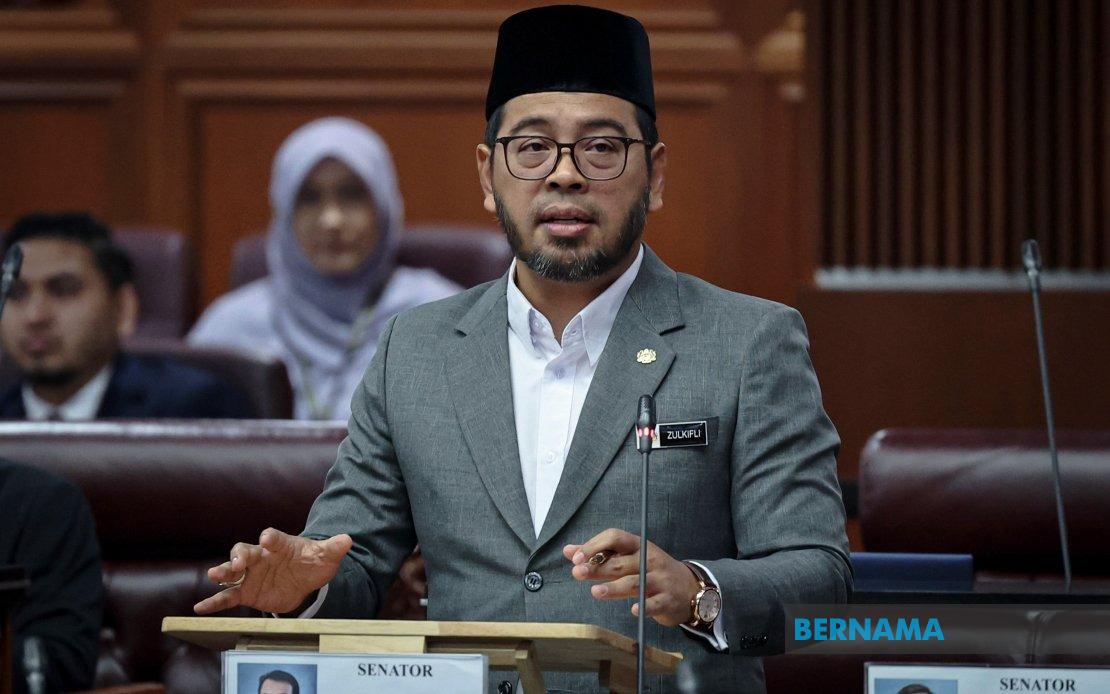
Tabung Haji depositors can proceed with confidence that their zakat obligations have been properly discharged in accordance with Islamic jurisprudence, Religious Affairs Minister Dr Zulkifli Hasan declared during a special parliamentary sitting. His reassurance addresses longstanding concerns about the nation's largest Islamic savings institution, which has faced scrutiny over its financial management and religious compliance mechanisms following a comprehensive Royal Commission of Inquiry completed in 2022.
Dr Zulkifli explained that TH's Syariah Advisory Committee validated all zakat payments made before 2019, when the institution introduced its wakalah (agency) framework. This validation proves that prior arrangements, despite their different structure, satisfied Islamic legal requirements. The committee's determination, reached in September 2020, provides a definitive answer to questions about whether depositors bore any religious shortfall during the earlier period when Wadiah Yad Damanah contracts governed fund management from 2016 to 2019.
The minister traced the theological foundation for TH's zakat responsibilities to a May 1979 ruling by the National Fatwa Committee for Islamic Religious Affairs Malaysia. That decision established that while TH itself is exempt from zakat as an institution, it must discharge zakat obligations on behalf of its depositors. This distinction is crucial for understanding TH's religious standing—the institution functions as a custodian and agent for fulfilling a fundamental Islamic duty rather than as a zakat-paying entity in its own right. Zulkifli emphasised that TH has consistently adhered to this principle throughout its operations.
Regarding the specific zakat mechanism employed between 2016 and 2019, when the Wadiah Yad Damanah structure was in place, TH treated payments as business zakat collected collectively from the pooled depositors' funds that were actively traded. This approach differs from individual zakat calculations but remains valid under Islamic finance jurisprudence. The clarification addresses what many observers viewed as an opacity in how TH handled zakat during a period of significant investment activity and market exposure.
The government's response incorporates endorsement from multiple Islamic oversight bodies, strengthening confidence in TH's religious compliance. The National Council for Islamic Religious Affairs (MKI) Muzakarah Committee reviewed the matter in June 2024 and endorsed TH's zakat practices. This validation proceeded to the Conference of Rulers during their October 2024 meeting, placing the matter at the highest level of Malaysia's Islamic governance structure. The cascading approval through successive Islamic authorities represents an unusually thorough vetting process for a commercial institution.
Dr Zulkifli stressed that all of TH's zakat operations remain anchored to comprehensive guidelines that have received formal approval from the institution's Syariah Advisory Committee. This committee comprises recognised scholars and Islamic finance specialists, ensuring that everyday operations and policy decisions reflect contemporary understanding of Islamic principles. The oversight mechanism provides both initial guidance and ongoing monitoring, reducing the risk of inadvertent deviation from established standards.
Beyond zakat assurances, the minister signalled TH's commitment to addressing other weaknesses identified in the Royal Commission of Inquiry report released publicly on July 29, 2024. That 211-page document detailed management shortcomings spanning 2014 to 2020 and proposed twenty-five recommendations for systemic improvement. As of late July, TH had implemented 75 per cent of these recommendations, demonstrating tangible progress on the reform agenda. The remaining quarter of unimplemented recommendations primarily concern policy-level decisions requiring broader approval.
Haj management emerged as a particular focus for recommended reforms, reflecting concerns about how TH administers one of its core functions. The suggestions emphasise clearer eligibility criteria, more rational waiting periods for pilgrims, and enhanced preparedness mechanisms. These measures align with the Islamic principle of istito'ah, or financial and physical ability to undertake the pilgrimage. TH is in the final stages of refining a comprehensive policy revision covering these dimensions, with public announcement anticipated in the near term.
The special parliamentary sitting itself underscores the political significance attached to restoring public confidence in TH. The institution manages savings for nearly three million depositors and administers the annual Malaysian pilgrimage contingent to Mecca, making its credibility a matter of national religious significance. The government's decision to brief Parliament in formal session on implementation progress signals that TH recovery remains a priority within the religious affairs portfolio and broader economic agenda.
For Malaysian depositors, particularly those from lower and middle-income backgrounds who depend on TH's services, these assurances carry practical importance. Many have viewed TH primarily as a convenient savings mechanism aligned with Islamic principles rather than engaging deeply with the theological complexities surrounding zakat administration. The minister's confirmation that obligations have been fulfilled allows depositors to maintain confidence in the institution's fundamental integrity while TH completes its broader operational transformation.
The timeline for RCI establishment—announced in 2021, members appointed January 2022, report submitted August 2022, and public release July 2024—reveals a lengthy process for converting findings into public accountability. Nevertheless, the formal parliamentary briefing demonstrates that mechanisms exist for detailed scrutiny of major Islamic institutions. For regional observers, Malaysia's approach illustrates how a Muslim-majority nation can subject religious institutions to rigorous inquiry while maintaining appropriate deference to Islamic authority structures.
Moving forward, TH faces the dual challenge of completing policy refinements and demonstrating consistent compliance with both Islamic principles and prudent financial management. The minister's parliamentary appearance represents a checkpoint in that longer journey. Depositors and policymakers alike will likely monitor implementation of remaining recommendations and the success of revised haj management arrangements in the months ahead. Dr Zulkifli's address provides interim reassurance rather than final resolution of questions about institutional governance that prompted the original inquiry.

