Thai Airways International and the country's civil aviation authorities have launched coordinated investigations into a serious narcotics incident involving a crew member arrested at Melbourne Airport, signalling the airline and regulatory bodies' commitment to addressing drug trafficking concerns within the aviation sector. The incident, which came to light this week, has prompted formal statements from both the carrier and the Civil Aviation Authority of Thailand (CAAT), underscoring the gravity with which the nation's aviation establishment treats allegations of illegal substance smuggling.
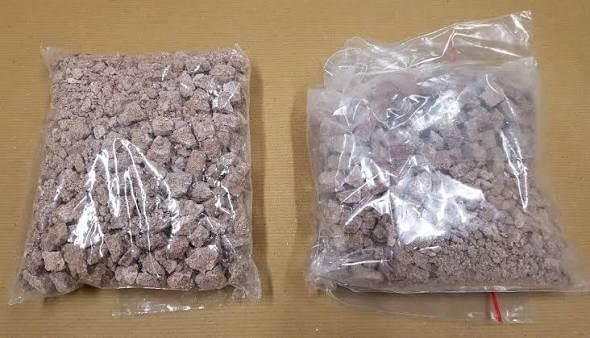
Australian Border Force officers detected the contraband when screening baggage belonging to a 26-year-old Thai national as her international flight touched down at Melbourne Airport on Thursday. During routine X-ray examination of the crew member's luggage, authorities identified a white powder concealed within the bag's lining. The Australian Federal Police subsequently confirmed that customs officials had seized more than one kilogramme of heroin, a quantity that typically points to trafficking rather than personal consumption and carries severe penalties under Australian drug laws.
Thai Airways released a statement through its official social media channels on Monday, emphasising that the airline is working actively with law enforcement agencies in both countries to establish the complete factual record and determine the circumstances surrounding the discovery. The carrier stressed that it maintains strict compliance protocols governing all personnel, regardless of rank or position, with explicit prohibitions on the possession, importation, transportation, or involvement in any illegal activities related to controlled substances or other banned items.
The airline's statement carefully characterised the situation as reflecting the individual actions of a single crew member rather than systemic failures within the organisation. Thai Airways indicated that the detention brings the individual under Australia's formal judicial process, shifting primary responsibility to the Australian legal system while the airline pledges logistical support to ensure the crew member's fundamental legal rights are protected throughout proceedings. The carrier has also committed to full cooperation with investigating officers from both nations.
For Malaysian and broader Southeast Asian readers, this incident highlights the persistent vulnerability of the aviation supply chain to drug smuggling despite multiple security checkpoints and screening protocols. International flights connecting major hubs such as Bangkok present attractive opportunities for traffickers seeking to exploit trust placed in uniformed personnel and the movement of crew between countries. The involvement of a Thai Airways employee underscores how transnational organised crime networks continue to recruit individuals with legitimate access to secure areas and international travel privileges.
Thailand's Civil Aviation Authority confirmed on Monday that it has initiated parallel coordination with airport operators and relevant carriers to verify factual details and undertake a comprehensive review of operational procedures. The regulator reaffirmed that all passenger and baggage screening protocols implemented across Thai airports comply with its internal regulations and align with international standards and guidance established by the International Civil Aviation Organization, suggesting current systems met global benchmarks before this particular breach occurred.
The CAAT's statement acknowledged a crucial distinction in jurisdictional authority, noting that while aviation security measures aim to prevent prohibited items from entering aircraft, the investigation and prosecution of narcotics offences fall within the remit of dedicated law enforcement agencies operating at national and international levels. This demarcation reflects how complex modern aviation incidents require seamless cooperation between security regulators focused on operational safety and criminal justice authorities pursuing trafficking networks.
The regulator emphasised the integrated nature of modern drug enforcement, requiring coordinated effort between agencies within Thailand and across borders with partner nations like Australia. The CAAT indicated it has worked alongside Thai Airways to monitor preliminary investigative developments and suggested that regulatory consequences may follow if the accused is ultimately convicted. Such outcomes could include licence revocation, employment restrictions, or heightened security protocols affecting the carrier's operations.
Thailand's aviation system, which processes millions of passengers annually across Bangkok's Suvarnabhumi and Don Mueang airports plus numerous regional facilities, faces considerable pressure to maintain international confidence in its security architecture. The incident adds to broader concerns within Southeast Asia about drug trafficking through major transportation hubs, with law enforcement agencies across the region increasingly reporting sophisticated smuggling attempts involving commercial shipping, maritime routes, and aviation networks.
The CAAT statement explicitly referenced potential regulatory sanctions under aviation laws if guilt is established, signalling determination to maintain safety standards and uphold public confidence in Thailand's civil aviation system. Such consequences could extend beyond individual disciplinary action to systemic reviews of crew vetting procedures, baggage handling protocols, and staff training on narcotics awareness.
This case carries particular significance given Thailand's own stringent domestic drug laws and its positioning as a transit nation for regional narcotics trafficking. The fact that a Thai crew member was allegedly attempting to transport heroin through Australian border controls suggests traffickers may be exploiting the legitimate travel status and access privileges of aviation personnel, a vulnerability that extends across all Southeast Asian carriers and international partners.
Both Thai Airways and CAAT face reputational considerations as well as regulatory obligations stemming from this incident. International airlines and regulators must demonstrate robust internal controls and cooperation with law enforcement to maintain the trust of partner nations and the travelling public. The investigation's outcome could influence Australian screening procedures for Thai-registered aircraft and crew, potentially affecting operational efficiency and commercial relationships between carriers.
The coming weeks will determine whether this proves to be an isolated case of individual misconduct or reveals gaps in crew vetting and pre-flight security procedures that require systematic correction. Regardless, the coordination between Thai and Australian authorities demonstrates the capacity for rapid international response when aviation security intersects with serious criminal allegations, a capability essential as traffickers continuously adapt methods to circumvent border controls.

