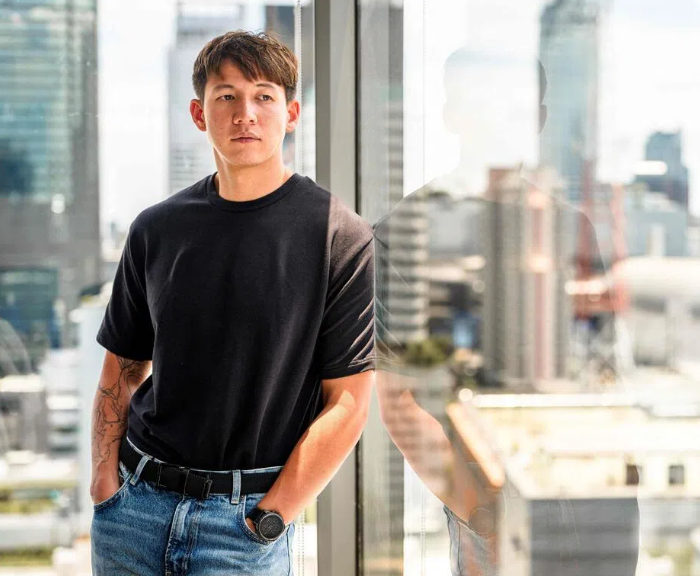
A prominent member of Thailand's wealthiest families has formally dropped legal action against her son, ending a dramatic courtroom battle that exposed serious allegations of abuse within one of Asia's most storied business dynasties. Jeeranuch Bhirombhakdi, part of the billionaire clan controlling Singha beer, withdrew her suit in Bangkok civil court on Wednesday, marking an abrupt reversal in a family conflict that has captivated Thailand's business and legal communities since February.
The case centred on Thailand's controversial "ungrateful child" statute, an archaic legal provision that permits parents to revoke gifts—including substantial property and assets—if they deem their children disrespectful, physically violent, negligent of parental care in later years, or damaging to the family name. Jeeranuch had originally filed under this measure seeking to reclaim valuable land worth millions of dollars that her son had received from his late grandfather, arguing that Siranudh's conduct had brought dishonour upon the Bhirombhakdi name.
The conflict took a dramatic turn when Siranudh responded to his mother's legal offensive by publicly revealing deeply personal allegations in May. He disclosed that he had endured sexual abuse perpetrated by his older brother Sunit and a family babysitter during his childhood, claims that reverberated through Thailand's corporate establishment. The accusations proved sufficiently serious that Boonrawd Brewery, the parent company of Singha, removed Sunit from his executive position within weeks of the revelation.
Siranudh's decision to speak publicly appeared to shift the narrative fundamentally. Rather than defending himself against charges of filial ingratitude, he reframed the entire dispute within a larger context of family trauma and institutional failure. His supporters gathered outside the courthouse, some holding symbolic paper flowers and photographs, demonstrating public sympathy for a young man whose attempt to hold family members accountable for historical abuse had itself become a legal liability.
When the court announced the withdrawal on Wednesday, Siranudh expressed measured frustration rather than triumph. Speaking to assembled journalists, he emphasised that his mother's decision to drop the case did not constitute vindication or closure. "I cannot claim today is a victory as this case should never have happened," he stated, underscoring that the legal withdrawal did nothing to address the underlying trauma or restore his reputation within the family structure. The lawsuit's existence had itself constituted a form of retaliation against a victim disclosing historical crimes.
Jeeranuch's reversal came through a written statement dated Friday in which she signalled willingness to pursue reconciliation rather than litigation. Her language shifted dramatically from accusations of ingratitude to expressions of maternal concern, suggesting that either her legal advisors or family mediators had convinced her that continued courtroom battle would prove counterproductive. She declared readiness "to talk, as long as we speak with love and genuine goodwill towards one another," indicating a pivot toward family negotiation rather than adversarial proceedings.
The mother also indicated deference to judicial processes examining the allegations between her sons, expressing hope that "the truth will come to light and fairness will be served to both of my children." This language represented a subtle concession—by framing both sons as potential victims deserving justice, Jeeranuch appeared to acknowledge that the dispute transcended simple questions of filial gratitude and encompassed serious questions of personal harm and accountability.
Sunit has maintained his innocence regarding the sexual abuse allegations, though he acknowledged that roughhouse play had occurred between the brothers during childhood. His position attempted to reframe Siranudh's claims as exaggerated characterisations of normal sibling interaction rather than criminal abuse. However, this explanation carried diminished weight after his removal from Boonrawd Brewery's management structure, suggesting that company leadership either believed the allegations or deemed the controversy too damaging to tolerate his continued presence.
The Bhirombhakdi family's net worth of approximately US$1.75 billion, which places them as Thailand's 15th richest according to Forbes rankings, ensures that this dispute carries implications extending beyond family dynamics into questions of corporate governance and wealth transfer within Asia's business elite. The legal clash revealed how even extraordinarily wealthy families struggle with mechanisms for addressing generational trauma and abuse allegations, particularly when confronting institutional cultures that traditionally prioritised reputation preservation over victim protection.
The case also underscores the ongoing controversy surrounding Thailand's "ungrateful child" law itself. The provision represents a form of legal leverage that permits property confiscation based on parental displeasure, potentially weaponising inheritance laws against family members who speak publicly about abuse or transgression. As Southeast Asian societies increasingly confront historical patterns of family-based silencing mechanisms, this high-profile dispute may prompt broader discussions about whether such statutes remain compatible with contemporary legal standards protecting free expression and victim advocacy.
For Siranudh, the lawsuit's withdrawal provides legal relief but not psychological resolution. His public acknowledgement of childhood trauma, undertaken under the pressure of defending himself against accusations of ingratitude, has permanently altered his family relationships and corporate standing. The dispute illustrates how power imbalances within wealthy families can transform legal systems meant to protect parental interests into tools for suppressing inconvenient disclosures, a dynamic that resonates across Southeast Asian business communities where family control of vast enterprises remains the dominant ownership model.

