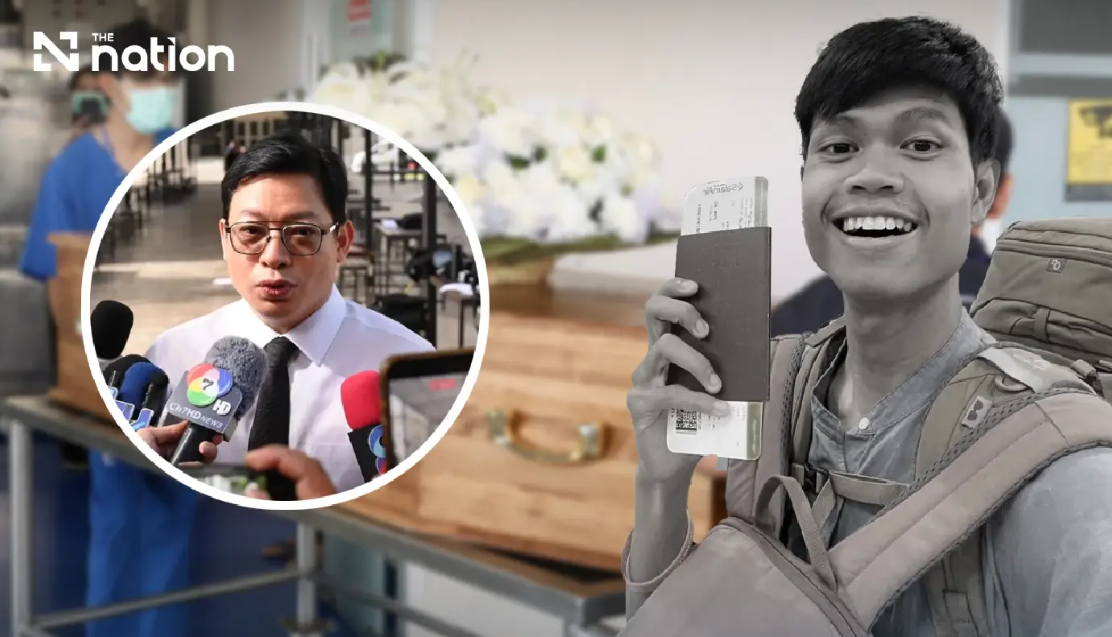
Thai travel vlogger Bawornthat "Hlun Solo" Pengsuk died from heart and circulatory system failure, according to initial post-mortem findings released by Thailand's Central Institute of Forensic Science on Thursday. However, forensic authorities have deliberately withheld any definitive conclusions about whether toxic or chemical substances played a contributing role in his death in Georgia, keeping that avenue of investigation open pending further laboratory analysis.
Associate Professor Dr Worawee Waiyawut, deputy director of the Central Institute of Forensic Science under the Ministry of Justice, presented the preliminary findings after Hlun's remains were repatriated from Tbilisi. The Thai medical team has already briefed Hlun's family on the initial results, and with their consent, released the information to the public. This measured approach reflects both the sensitivity of the case and the family's desire for transparency throughout the investigative process.
The initial physical examination revealed no evidence of external trauma, bruising, signs of violent confrontation, or skeletal fractures. Beyond the cardiac abnormalities, Georgian and Thai pathologists found no other organ anomalies during their respective examinations. Dr Worawee acknowledged that Georgian medical professionals had already conducted thorough evaluations before the body's transfer, suggesting a high standard of preliminary investigation was already in place.
The path forward depends heavily on advanced laboratory work that cannot yet be completed. Cardiac tissue analysis and genetic testing will determine whether Hlun had pre-existing heart conditions that could have predisposed him to sudden failure. Investigators must also examine whether the circumstances fit the pattern of sudden unexplained nocturnal death syndrome, a phenomenon that has claimed lives across Asia and warrants careful evaluation through specialized testing protocols.
Tension surrounds the investigation's international dimension. Thai authorities are actively seeking comprehensive information from Georgian counterparts, including complete post-mortem documentation and results of chemical analysis already conducted abroad. Yet the Georgian death certificate contains no specified cause of death, leaving critical gaps that the Justice Ministry must now fill through formal diplomatic coordination—a process that officials acknowledge will require considerable time.
Hlun's elder brother Somsak, acting as family spokesperson, has become the family's voice in navigating both grief and bureaucratic complexity. He emphasized that the Thai autopsy represented the first formally requested post-mortem examination by the family, driven by unresolved questions about their younger brother's unexpected passing. The family retained serious reservations about the Georgian investigation's thoroughness and transparency, noting that local authorities provided minimal detail beyond the death certificate itself.
The family's primary concerns center on three key areas: whether toxic or chemical substances contributed to Hlun's death, the precise state of his cardiac health, and whether other causative factors have been adequately investigated. Somsak revealed that Georgian authorities retained organ samples and genetic material without clearly explaining what tests would be performed or what protocols would govern their use. This opacity heightened the family's determination to conduct an independent investigation through Thai authorities, who they trust to pursue answers more thoroughly.
Somsak has repeatedly cautioned against premature speculation about sudden unexplained death during sleep, noting that circulating reports lack any basis in confirmed medical findings. He acknowledged uncertainty about whether Hlun harbored any pre-existing health conditions, explaining that his brother rarely discussed medical matters within the family. Nevertheless, Somsak made clear that should evidence emerge of physical assault, the family will pursue all available legal avenues to seek justice.
The investigation has also revealed troubling gaps in what was returned with Hlun's body. Among his personal effects, only his passport accompanied his remains to Thailand, raising questions about the disposition of his other belongings and whether any items might yield clues about his final hours in Georgia. The family awaits answers about standard procedures for handling the personal property of deceased nationals abroad.
The forensic examination in Thailand was expected to conclude by Friday, August 7, clearing the way for Hlun's body to be transported to his native Kalasin province for traditional funeral observances. Somsak expressed concern about how their elderly grandmother would react upon seeing her grandson, though he noted she has remained emotionally stable and her primary wish was simply to have Hlun returned home. Cremation arrangements will be determined after the family has time to process their grief and make decisions about how to honor his memory.
This case highlights the vulnerability of Thai citizens abroad and the challenges families face when seeking answers across international borders. Hlun's death also underscores how medical and forensic investigations can diverge between countries, sometimes leaving families uncertain about the true cause of death. For Southeast Asian travelers, the case serves as a sobering reminder of health risks and the importance of maintaining detailed medical records and emergency contact information. The ongoing investigation will likely take weeks or months to reach a final conclusion, leaving Hlun's family and countless online followers in a prolonged state of uncertainty about what truly happened to the young content creator in the Georgian capital.

