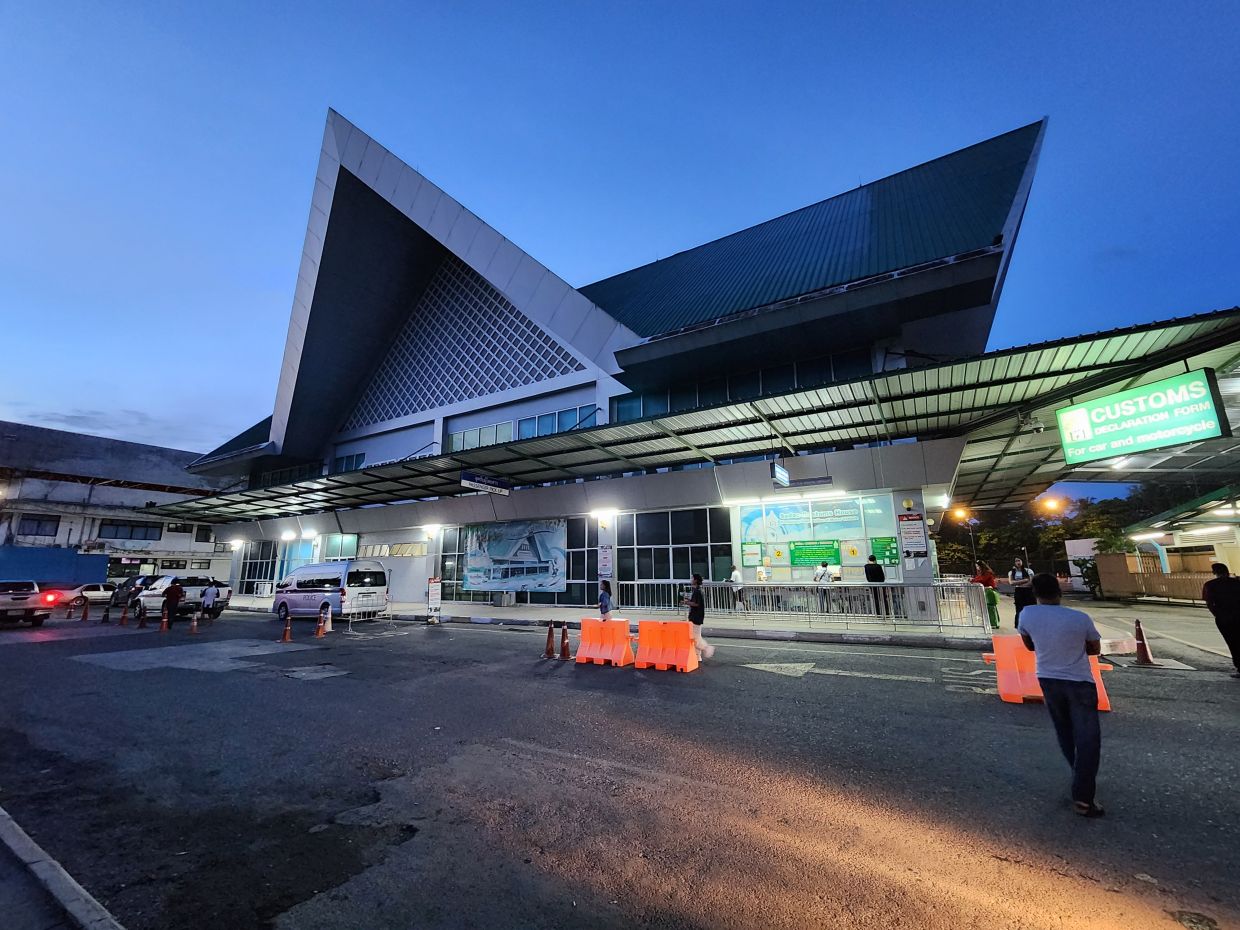
Thailand has moved to deepen its economic integration with Malaysia by establishing a new land checkpoint at Sadao, marking a significant shift in border infrastructure between the two nations. The Thai cabinet's approval on Tuesday paves the way for the crossing to commence operations on July 11, replacing an existing checkpoint and creating fresher pathways for the movement of goods, services, and people across the shared frontier. This development reflects both governments' commitment to addressing logistical challenges that have historically constrained bilateral commerce and tourism flows in Southeast Asia's southern corridor.
The geographical specifications of the new checkpoint underscore the precision with which the two countries have approached this infrastructure project. Located between boundary markers 23/9 and 23/10, the crossing will supersede the previous facility operating at markers 22-23. Operating hours have been set from 05:00 to 23:00 daily, a substantial window designed to accommodate heavy traffic volumes while maintaining administrative oversight. For Malaysian businesses and travellers, particularly those in Kedah and Perlis, this represents a more efficient gateway compared to existing crossings, potentially reducing transit times and associated costs.
Thailand's government spokesperson Ratchada Thanadirek outlined the preparatory measures underway to ensure smooth operations at the new facility. Thai authorities have instructed relevant agencies to accelerate the construction of connecting road networks and eliminate congestion points on the Thai side of the boundary. These infrastructure investments extend beyond the checkpoint itself, reflecting a comprehensive approach to cross-border facilitation. Additionally, shuttle services have been arranged to assist travellers, with Songkhla province assuming responsibility for monitoring implementation progress. For Malaysian freight operators and tour companies, these measures suggest a more streamlined journey through the border zone.
Crucially, Thai officials recognise that successful border operations depend not merely on physical infrastructure but on stakeholder understanding and cooperation. Government communication efforts targeting the private sector, commercial enterprises, and local communities will address practical concerns surrounding traffic routing, customs procedures, and immigration processes. This outreach strategy acknowledges potential friction points where inadequate information might impede cross-border movement. By proactively educating constituents about government facilitation measures, Thailand aims to build confidence among business operators who have historically navigated complex border bureaucracies.
The timing of this announcement connects directly to high-level diplomatic engagement between Bangkok and Kuala Lumpur. Thai Prime Minister Anutin Charnvirakul is scheduled to visit Malaysia on July 9-10, just days before the checkpoint's commencement, at the invitation of Malaysian Prime Minister Anwar Ibrahim. This diplomatic choreography suggests the checkpoint opening forms part of a broader bilateral agenda that extends beyond infrastructure into strategic cooperation frameworks. For Malaysian policymakers, the visit represents an opportunity to articulate national interests across multiple domains simultaneously.
The proposed joint statement to emerge from this prime ministerial engagement encompasses several layers of cooperation reflecting both nations' regional priorities. Border development and connectivity improvements constitute the foundation, directly supporting the checkpoint initiative and related infrastructure projects. Security cooperation targeting transnational crime addresses longstanding concerns in Malaysia and Thailand regarding smuggling, human trafficking, and organised crime networks that exploit porous borders. These security dimensions carry particular weight for Malaysian authorities managing sensitive frontier regions.
Economic partnership provisions within the framework demonstrate recognition that sustainable bilateral relations require mutual prosperity. The emphasis on food and energy security reflects both nations' vulnerabilities in critical supply chains. Thailand's agricultural production and energy resources complement Malaysian capabilities, creating genuine scope for mutually beneficial arrangements. For Malaysian consumers and industries, enhanced cooperation in these sectors could moderately stabilise prices and supply reliability, though competitive dynamics will ultimately determine outcomes. The framing suggests policymakers view regional economic interdependence as a stabilising force.
The checkpoint opening must be contextualised within Southeast Asia's broader transport and logistics evolution. Malaysia's position as a trade hub increasingly depends on efficient regional connectivity. Enhanced border crossing capacity with Thailand strengthens Malaysia's role as a conduit linking mainland Southeast Asia with maritime routes and Malaysian ports. Consequently, Malaysian investors and logistics companies stand to benefit from improved throughput, potentially capturing increased transit trade. The project reflects recognition that border infrastructure remains critical to regional competitiveness amid evolving global supply chains.
Local communities in Malaysia's southern states will likely experience both opportunities and adjustments from intensified cross-border activity. Increased traffic typically generates employment in transport, hospitality, and services sectors, benefiting border towns. However, congestion, environmental impacts, and social pressures also accompany heightened movement. Malaysian state governments must prepare comprehensive strategies addressing both positive potentials and negative externalities. The checkpoint's extended operating hours suggest anticipation of substantial volume increases, necessitating local readiness planning.
From a Southeast Asian perspective, Thailand-Malaysia cooperation on border infrastructure contributes to regional integration objectives despite ongoing geopolitical complexities. Enhanced connectivity between member states strengthens ASEAN's internal coherence and collective economic resilience. Malaysia's role in bridging mainland and maritime Southeast Asia becomes more pronounced with improved Thai linkages. However, realising these benefits requires sustained commitment beyond infrastructure provision, including harmonised regulatory frameworks and dispute resolution mechanisms that both nations must develop collaboratively.
The government's emphasis on facilitating trade and tourism indicates recognition that modern border management transcends conventional security functions. Contemporary border policy balances security imperatives with economic facilitation, acknowledging that excessive friction imposes substantial costs on legitimate commerce. Thailand's proactive communication strategy and infrastructure investment suggest policy sophistication in addressing this balance. Malaysian stakeholders should monitor implementation closely, as operational effectiveness will determine whether anticipated benefits materialise or whether bureaucratic obstacles persist despite infrastructure improvements.
For Malaysian businesses contemplating increased Thai engagement, the checkpoint represents a tangible policy signal supporting commercial expansion. Reduced crossing times and improved infrastructure lower transaction costs, potentially enabling higher-margin ventures than previously feasible. However, success requires Malaysian enterprises to develop complementary capabilities in supply chain management and quality standards to compete effectively within Thai markets. Government support through trade promotion agencies could amplify private sector responses to these new opportunities.

