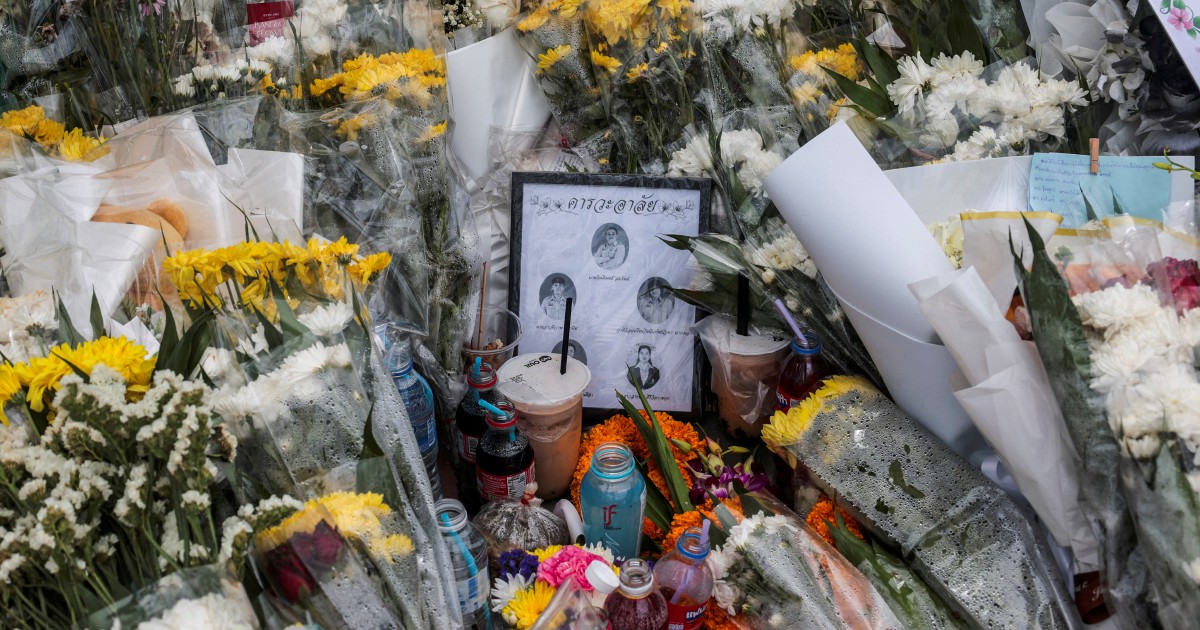
Thailand's Prime Minister has announced the suspension of all active firearms licences following a devastating school shooting that claimed the lives of a teenage gunman and his two grandparents, whose remains were committed to cremation this week in Nonthaburi province. The decisive policy move marks an immediate attempt by the government to address mounting public concern over gun violence in the kingdom and represents one of the most stringent responses to recent violent incidents involving firearms.
The teenager responsible for the shooting, whose identity has been subject to media restrictions under Thai law, reportedly acted alone during the incident. The decision to include his grandparents among those whose bodies were cremated reflects the tragic family circumstances surrounding the case. Thai authorities have maintained careful oversight of information release, adhering to legal protocols governing how cases involving juvenile offenders are reported in the Thai media landscape.
The suspension of firearms licences represents a significant policy escalation that will affect many Thai citizens currently authorised to own and carry weapons. Under the announcement, existing gun owners must navigate a new regulatory framework, though the precise timeline and conditions for licence renewal or reinstatement remain subject to further clarification from government agencies. This action signals the administration's willingness to impose broad restrictions on gun ownership as a preventative measure against future incidents.
Such school-related violence incidents remain relatively uncommon in Thailand compared to some neighbouring Southeast Asian nations, but they generate substantial public alarm when they occur. The latest shooting has reignited broader debates within Thai society about firearms regulation, mental health support systems, and school safety protocols. Educational institutions across the country have heightened security measures in response to growing parent and community concerns.
The announcement comes amid a wider regional conversation about gun control policies. Malaysia and other Southeast Asian countries maintain strict firearms regulations that prohibit civilian ownership in most circumstances, creating a notable contrast with Thailand's more permissive licensing system. Thai policymakers are now examining whether their current framework adequately protects citizens, particularly in vulnerable settings such as schools.
Family violence and intergenerational trauma may have played contributing roles in this incident, though Thai authorities have not released detailed motivations or psychological assessments. The involvement of the gunman's own grandparents in the tragedy underscores how violence can fracture family units and suggests complex domestic circumstances that may warrant future examination by researchers studying criminology in Southeast Asia.
The cremation ceremony itself carries particular cultural significance in Buddhist-majority Thailand, where funeral rites represent an important ritual process for families and communities. The public nature of this cremation, combined with intensive media coverage, has ensured the incident remains a focal point for national conversation about gun ownership and public safety.
Thailand's firearms licensing system has historically been more accessible than those of its regional peers, with ownership permitted for individuals meeting certain criteria including background checks and demonstrated legitimate need. The new suspension will affect hunters, sport shooters, security professionals, and citizens who obtained licences for personal protection purposes. Business associations representing these groups are likely to raise concerns about economic impact and the broader application of blanket suspension policies.
Law enforcement agencies must now implement the suspension across the kingdom's licensing departments, requiring coordination between national and provincial authorities. The administrative machinery for processing licence-related matters will face significant operational challenges as officials navigate the transition period. International experience suggests that sudden, comprehensive firearms licence suspensions can create compliance difficulties and may prompt legal challenges from affected parties.
The incident has prompted Thailand's educational establishment to conduct comprehensive reviews of campus security measures. School administrators nationwide are evaluating perimeter controls, visitor management systems, and emergency response protocols. Parent associations have demanded greater transparency about safety procedures and additional government investment in mental health counselling services within educational institutions.
Mental health support remains underfunded across much of Southeast Asia, including Thailand, and experts argue that comprehensive approaches to preventing violence must address psychological wellbeing alongside regulatory measures. The shooting underscores how limited access to early intervention and therapeutic services can contribute to tragic outcomes. Thai health authorities may face pressure to expand youth mental health programmes in schools and community settings.
Regional observers and international media have noted Thailand's swift policy response as reflecting heightened awareness among government officials regarding public sentiment on safety and gun ownership. Whether the licence suspension becomes permanent policy or transitions toward a more nuanced regulatory framework will depend on forthcoming legislative action and political developments in coming months. The incident marks a inflection point in Thailand's ongoing negotiation between individual freedoms and community safety priorities.

