Thailand is moving to confront a persistent problem of school bullying that experts say has long festered beneath the surface of the education system. The catalyst came on August 7, when a 14-year-old student opened fire at Debsirin Nonthaburi School on Bangkok's outskirts, killing nine people including himself. While investigations are still underway to determine the full array of factors behind the tragedy—including exposure to violent content and academic pressure—allegations that the gunman was bullied have thrust the issue into the national spotlight and prompted urgent action from policymakers.
The prevalence of bullying in Thai schools is far more widespread than many may have realised. A government survey conducted in September 2025 revealed that nearly two-thirds of 42,000 young people aged six to 25 had experienced bullying at some point. The research painted a troubling picture: the most common forms included taunts about appearance, family background, and personal circumstances. Physical abuse was reported by 28 per cent of respondents, encompassing kicks, punches, and other forms of violence. Perhaps most significantly, 83 per cent of bullying incidents occurred within school premises, making educational institutions the primary arena where such misconduct takes place.
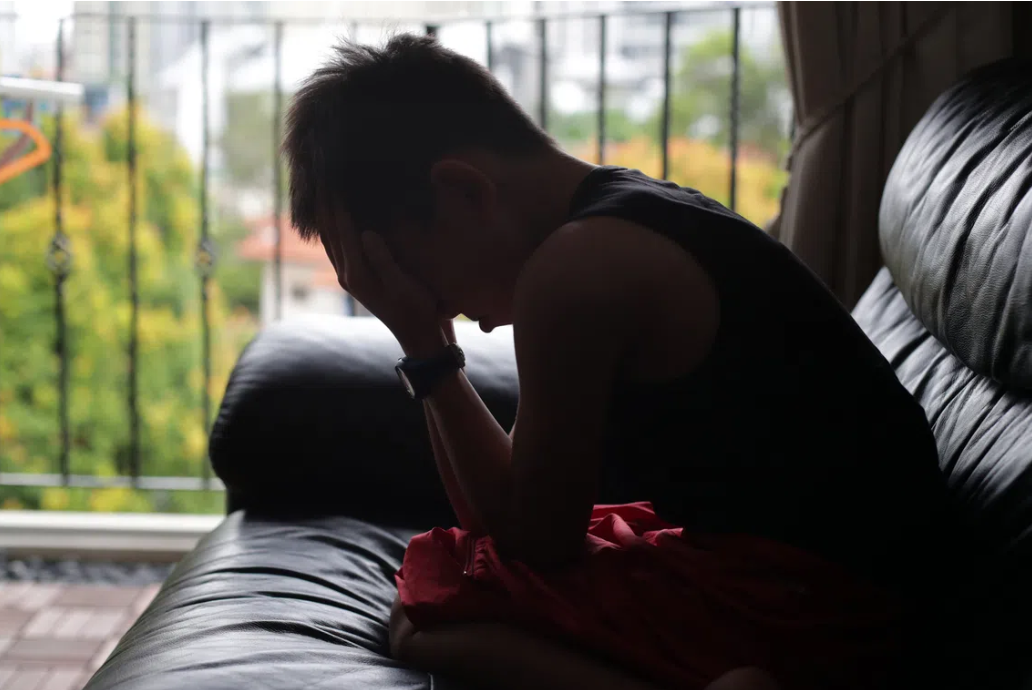
For those who endure these experiences, the consequences extend far beyond bruised bodies or hurt feelings. A 20-year-old gig worker named Surasit Nok-Ouam, who experienced bullying from kindergarten through early primary school, described a pattern of escalating harassment that shaped his formative years. Classroom peers would follow him into bathroom stalls to splash water and hurl insults, leaving him in a constant state of anxiety about basic daily activities. On another occasion, a bully publicly pulled down his trousers during physical education class. Such incidents, though they may seem like isolated pranks to outsiders, accumulate into profound psychological damage that victims carry long into adulthood.
The mental and emotional toll of bullying extends across a spectrum of serious concerns. According to the government survey, at least one in four victims have contemplated self-harm. Chinun Boonroungrut, a psychology lecturer at Silpakorn University, explains that prolonged bullying can trigger depression, anger management problems, and an accumulating sense of grievance. Yet he cautions against drawing a direct line between bullying and extreme violence, noting that not all bullied adolescents resort to drastic measures. Nevertheless, the psychological injuries inflicted by peers during school years can have lasting consequences that shape personality, self-esteem, and social functioning well into adulthood.
One factor complicating the response to school bullying is the challenge of visibility and measurement. Aranee Vivatthanaporn, a criminology lecturer at Rangsit University, suggests that bullying incidents appear to be increasing primarily because they are now being recorded and shared on social media platforms, bringing them into public view rather than remaining hidden within school walls. A case in point occurred on July 21 at St Gabriel's College, one of Bangkok's most prestigious private schools, where a video circulating online showed two students beating and kicking a younger boy while brandishing what was later identified as an airsoft gun. While such incidents may have occurred with similar frequency in the past, their digital documentation and rapid dissemination represents a significant shift in how society perceives and confronts the problem.
Counsellors working directly with affected youth report an uptick in adolescents seeking help. Prieo To-uam, a freelance counsellor with four years of experience, notes that nearly every teenage client she meets mentions bullying in some form, whether they attend traditional Thai schools or international institutions. Many acknowledge having experienced bullying directly, while others admit to having perpetrated it themselves, often beginning with what they viewed as harmless teasing before escalating into more serious misconduct. This suggests that bullying operates along a continuum, with perpetrators and victims sometimes occupying overlapping roles depending on circumstance and social hierarchy.
Beyond the mechanics of bullying itself lies a deeper cultural challenge that may prove more difficult to overcome than policy reform alone. Thai society emphasises a concept known as kreng jai—an approach prioritising extreme consideration, deference, and social harmony—which discourages open confrontation and the airing of grievances. Prieo observes that many bullying victims absorb the message that maintaining social peace requires them to internalise their distress rather than reporting incidents or seeking help. This cultural expectation of politeness and emotional suppression creates a dangerous feedback loop in which psychological crises accumulate silently until they occasionally explode into sudden violence. Breaking this pattern will require not just new school policies but a fundamental shift in how Thai families and communities approach emotional expression and conflict resolution.
Recognising the gravity of the situation, Thailand's Education Ministry has announced a comprehensive package of reforms set to take effect by early November. These measures include the implementation of a zero-tolerance policy toward bullying, enhanced security screening to detect weapons, and improved referral mechanisms for students identified as being at risk. The ministry is also pursuing passage of a new Student and School Safety Act that would establish systematic monitoring of student mental health and screening for post-traumatic stress disorder. These interventions reflect international best practices and represent a substantive commitment to addressing the crisis through institutional means.
Yet the question remains whether institutional measures alone can overcome the cultural and social dimensions of the problem. While weapon detection systems and formal reporting protocols may prevent future tragedies of the scale witnessed on August 7, they cannot directly address the kreng jai mentality that leads bullying victims to suffer in silence. The challenge facing Thailand resembles struggles faced by other East Asian societies that prize social harmony and emotional restraint—forcing a reckoning between the desire for safety and stability on one hand, and the need for youth to develop healthy emotional intelligence and assertiveness on the other.
For students like Surasit, whose early experiences with bullying left lasting marks, the reforms announced by the Education Ministry offer hope that future generations might be spared similar ordeals. Yet the deeper work—convincing Thai parents, educators, and young people themselves that seeking help when bullied is not a violation of social harmony but a necessity for individual and collective wellbeing—will require a cultural transformation that extends far beyond the walls of schools. Thailand's response to the Debsirin shooting demonstrates political will and policy sophistication, but success will ultimately depend on whether society can genuinely reimagine what it means to be considerate, harmonious, and fundamentally safe.

