The artificial intelligence revolution has given the digital economy a distinctive soundtrack—one that never stops playing. Residents living near data centres describe the incessant noise as the low rumble of an air-conditioning unit, the drone of an overhead aircraft, or the idle of a truck engine, but with a crucial difference: it never ends. For those closest to these sprawling facilities, the experience has become less metaphorical and more visceral, described as the relentless, pulsing vibration of a subwoofer at a party that refuses to close down. That acoustic intrusion has now pushed some communities to take legal action, marking a turning point in how society grapples with the infrastructure demands of modern computing.
The United States infrastructure underlying the AI economy has grown dramatically. The country now operates more than 3,000 data centres, according to analysis by the Pew Research Center, with an additional 1,500 still under construction. These facilities have functioned quietly for decades as the backbone of digital services, largely invisible to the public despite their central role in everything from email to cloud storage. Yet the latest wave of expansion is fundamentally different in character and scale. The computational demands of artificial intelligence require substantially more power and more aggressive cooling systems than previous generations of computing infrastructure, accelerating construction and intensifying the problems these operations create in their immediate surroundings.
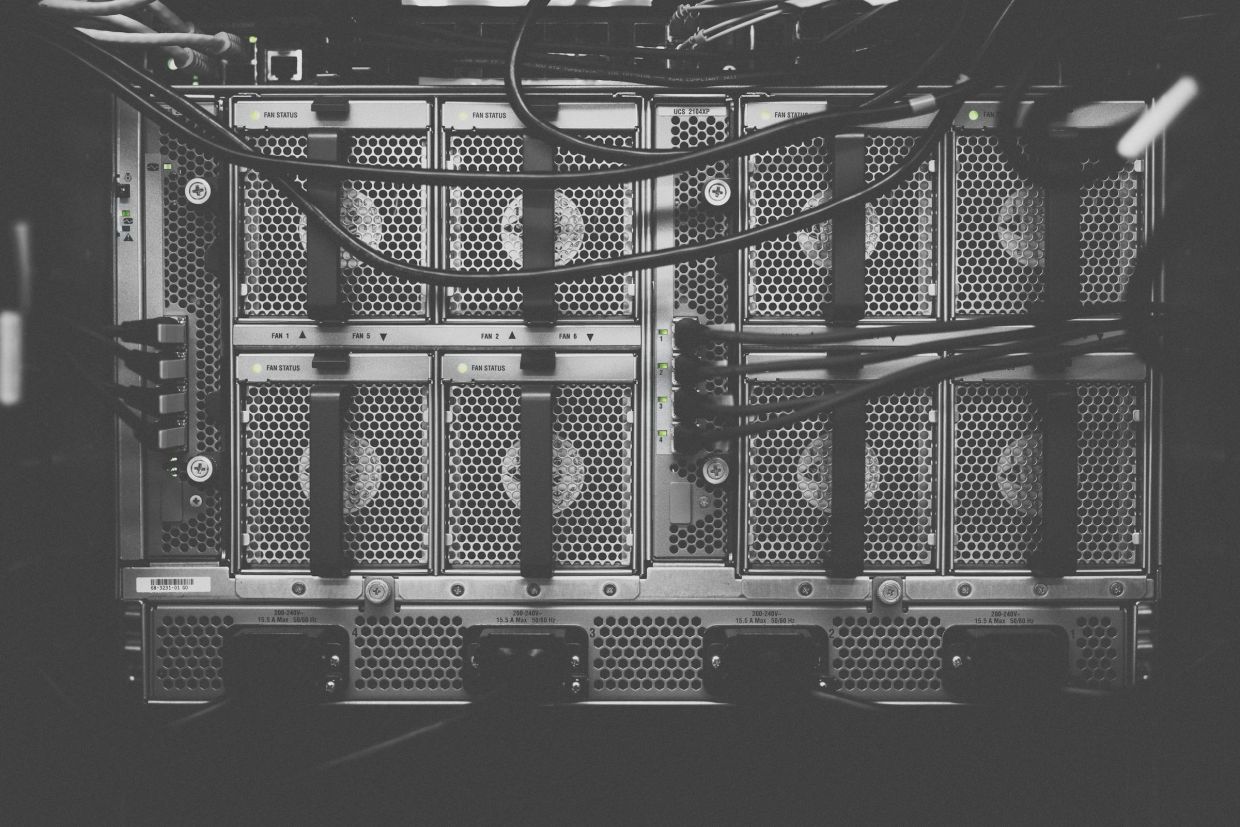
What exactly generates this noise, and why is it so difficult to manage? Data centres house thousands of servers and processors that perform billions of operations every second. The electronic components generate enormous amounts of heat in the process. Industrial-scale cooling systems—massive fans and refrigeration equipment—run constantly to prevent the hardware from overheating and failing. Many facilities supplement grid power with diesel generators that can kick in when electricity demand spikes beyond what local power infrastructure can supply. The combination of whirring fans, humming compressors, and rumbling generator engines creates an acoustic environment that extends far beyond the facility's walls, reaching neighbourhoods up to a mile away and affecting hundreds of properties.
The acoustic problem extends beyond what most people can consciously hear. A significant portion of the noise consists of infrasound, sound frequencies so low that they fall below the threshold of human hearing. Rather than perceiving these frequencies through their ears, people physically sense them as pressure fluctuations coursing through their bodies—similar to feeling the deep vibration of a bass drum at a concert resonating through one's chest, according to Scott Hamilton, a member of the Acoustical Society of America and consultant on data centre projects. This distinction matters enormously because it makes the problem invisible to conventional measurement and remedy. Traditional noise-dampening solutions and regulatory frameworks were not designed to address sensations rather than sounds, leaving a significant gap between how these impacts are perceived by residents and how they are measured or regulated.
The health consequences for people exposed to chronic infrasound and low-frequency noise are substantial and well-documented. Residents living in proximity to these facilities frequently report chronic sleep deprivation, insomnia, persistent headaches, pressure sensations in the inner ear, and elevated anxiety levels. Some describe their homes as essentially uninhabitable at night, unable to sleep despite closing windows and doors. The impact extends beyond the individual sufferer to entire households, where partners' sleep cycles are disrupted, children struggle with fatigue at school, and family stress accumulates from weeks and months of inadequate rest. Yet legal remedies have proven frustratingly elusive, revealing fundamental inadequacies in how societies regulate industrial noise.
Regulation of noise pollution in the United States occurs almost entirely at the local level through zoning ordinances developed to address fundamentally different problems: neighbourhood block parties, barking dogs, and temporary construction activity. These regulatory frameworks were never conceived to handle the continuous, twenty-four-hour industrial humming of a data centre facility. The situation is compounded by the absence of federal oversight. The Reagan administration defunded the Environmental Protection Agency's Office of Noise Abatement and Control in the early 1980s, characterising the regulatory effort as government overreach. Richard Neitzel, a professor of environmental health sciences at the University of Michigan, notes that while regulations technically exist, "there's nobody at home at the EPA to actually enforce them." The defunding left a regulatory vacuum that has persisted for four decades, leaving residents with little recourse beyond local ordinances that rarely contemplate this type of impact.
Three separate lawsuits filed against data centre operators are now attempting to fill that void through civil litigation. These cases argue that while the facilities may technically comply with existing zoning codes, the constant humming and vibrations cause measurable harm: significant depreciation of property values and loss of quiet enjoyment for homeowners. Plaintiffs are seeking both monetary compensation for damages already incurred and injunctions requiring companies to implement more effective sound mitigation measures. In Vineland, New Jersey, a group of homeowners filed suit in federal court against DataOne USA, which operates three server rooms on a sprawling campus and is planning a massive expansion. One resident, Stefanie Bartiromo, described the noise in court documents as resembling "a helicopter that never moves" or "a heavy duty truck running constantly," particularly noticeable during night hours when attempting to sleep.
DataOne's planned expansion underscores the scale of the AI-driven construction boom. Upon completion, the company's Vineland facility will span 2.6 million square feet and require 300 megawatts of continuous power—roughly equivalent to the electricity consumption of a medium-sized city. The company has responded to the lawsuit by asserting that it has already implemented noise-reduction measures and intends to continue doing so throughout the expansion. In a statement, a DataOne spokesperson emphasised the company's commitment to "constructive dialogue" and being "a valuable and responsible member of the community for the long term." The company also highlighted the economic benefits of its operations, including job creation and local economic stimulus.
This economic argument features prominently in the data centre industry's defence against noise complaints. The other companies named in similar litigation have made comparable claims about their contributions to local economies. In Dowagiac, Michigan, residents complained about a 30-megawatt data centre operating in a building that had previously served as storage for boats and recreational vehicles. In Lowell, Massachusetts, another facility operates in a repurposed industrial structure. The pattern is consistent: data centre operators identify economically distressed communities, acquire underutilised industrial property at relatively low cost, and present themselves as vehicles for economic revival. The economic benefits are real—jobs, tax revenue, and revitalised use of vacant buildings. Yet residents are now questioning whether those benefits adequately compensate for chronic health impacts and diminished quality of life.
The geographic scope of data centre proliferation is staggering and expanding rapidly. According to Pew Research Center analysis, nearly forty percent of American homes now sit within five miles of at least one operational data centre. As the AI industry continues its explosive growth and more facilities enter the development pipeline, that figure will only increase. For Malaysian and Southeast Asian readers, this American experience carries important implications. As artificial intelligence infrastructure spreads globally, similar facilities will inevitably locate in the region, bringing comparable noise and health impacts to nearby communities. The regulatory gaps that have allowed American residents' concerns to go largely unaddressed could easily replicate in countries without equivalent environmental protection frameworks.
The noise problem reflects a deeper tension between technological progress and quality of life that will intensify as AI adoption accelerates. Data centres are infrastructure, unglamorous and essential to the digital economy, yet their costs are concentrated on specific neighbourhoods while their benefits are diffused across entire societies. Residents living near these facilities bear a disproportionate burden—sleep deprivation, health effects, and property devaluation—so that others can access cloud computing and AI services. The lawsuits emerging in American communities may represent the beginning of a broader reckoning with this distributional inequality. As governments and companies grapple with these conflicts, the fundamental question becomes clearer: who should bear the costs of digital infrastructure, and how should societies fairly allocate the burdens and benefits of technological change?
Perhaps most significantly, the current regulatory vacuum suggests that data centre expansion will continue unchecked until communities mount sufficient political pressure or legal challenges force change. Les Blomberg, executive director of the nonprofit Noise Pollution Clearinghouse, notes that the acoustic footprint of modern data centres is "orders of magnitude different" from what existing regulations contemplate. Without federal involvement or substantial strengthening of local ordinances specifically addressing low-frequency and infrasound emissions, residents will face mounting health impacts while operating within a legal framework fundamentally inadequate to their circumstances. The cloud, it turns out, has not just a sound but a devastating one for those living beneath it.

