The Metropolitan Museum of Art convened an unusual gathering in May when museum leadership met behind closed doors with prominent Jewish community figures, including Anna Wintour and others influential in fashion circles. The purpose was straightforward yet sensitive: to gauge reactions to a planned exhibition celebrating the career of John Galliano, one of contemporary fashion's most accomplished but also most contested figures. These conversations represented just one strand of a wider outreach effort undertaken over the past year as the institution grappled with the ethical complexities of honouring a designer whose genius for design is inseparable from a deeply troubling chapter in his personal history.
Galliano occupies an unusual position within fashion's contemporary landscape. During his tenure as creative director of Dior from 1996 to 2011, he fundamentally reimagined the storied French house, transforming it from a respected but relatively conservative institution into a global powerhouse synonymous with innovation and theatrical spectacle. His designs transcended conventional fashion boundaries, entering the realm of wearable art and fantasy. He became recognized not merely as a talented craftsman but as a visionary capable of reshaping how an entire luxury brand presented itself to the world. The technical mastery of his bias-cut garments, combined with his imaginative approach to storytelling through clothing, established him as perhaps the defining designer of his generation.
That ascendancy was violently interrupted in 2011 when a video surfaced showing Galliano making antisemitic remarks in a Paris bar, including the phrase "I love Hitler" alongside other deeply offensive comments. The fallout was swift and comprehensive. He was dismissed from Dior, faced a hate crime conviction in French courts, and effectively disappeared from public view. The incident appeared to represent not merely a lapse in judgment but a potential disqualification from working in an industry ostensibly committed to values far removed from bigotry and intolerance.
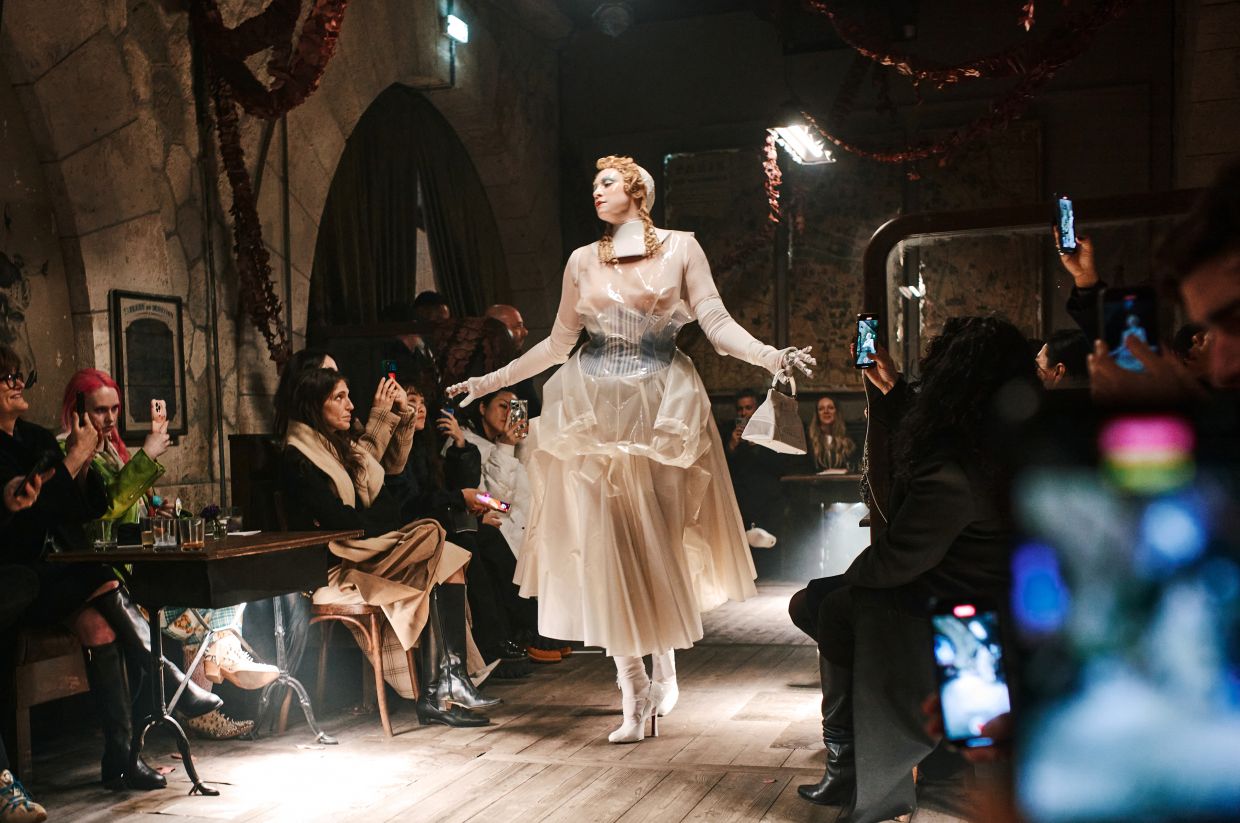
What distinguishes Galliano's case from many public scandals, however, is what came afterward. Rather than defensive denial or retreat into obscurity, he entered a structured rehabilitation process. He worked with rabbinical authorities in London and collaborated with figures from the Anti-Defamation League to undertake serious study of Judaism, the Holocaust, and the nature of antisemitism. By 2014, he had secured a position as creative director at Maison Margiela, and in the years since has produced work that has earned both critical acclaim and commercial success. High-profile celebrities including Zendaya, Tyla, and Amal Clooney have worn his designs to major public events. His pieces command record prices at auction houses.
Yet the question of whether rehabilitation and redemption are sufficient to justify such institutional honour remains contested. The timing of the planned exhibition cannot be divorced from the contemporary context of rising antisemitism globally, and in New York specifically. Recent hate crimes targeting Jewish community members, including a stabbing outside a Manhattan Jewish community centre, have intensified anxieties within the Jewish community. Against this backdrop, some have questioned whether celebrating Galliano at such a moment risks trivializing ongoing threats and suggesting that sufficient time and contrition have passed to render past statements essentially irrelevant.
Museum director Andrew Bolton has approached the challenge with considerable thoughtfulness. He acknowledged that he had contemplated a Galliano retrospective as early as 2010, but only intensified planning in 2024, after consultation with the museum's board. Importantly, both he and the institution recognized that careful engagement with the designer's history was not merely advisable but essential. Bolton has proposed creating what he terms an "orientation gallery" explicitly dedicated to what he calls "the rupture" that has defined Galliano's career—a curatorial decision to front the moral and historical complexity rather than relegating it to footnotes or avoiding it entirely.
Conversations with Jewish leaders including Rabbi Rick Jacobs of the Union For Reform Judaism and Rabbi Joshua Davidson of Temple Emanu-El have centred on the Jewish principle of teshuvah, or repentance. The discussions reflected a philosophical tension: the tradition acknowledges that genuine remorse and sustained effort toward moral rehabilitation merit recognition, yet equally demands that such recognition neither excuse past harm nor allow forgetting of its reality. As Rabbi Davidson suggested, the exhibition could become an opportunity to educate visitors about the persistence of antisemitism and the importance of active resistance to it, thereby transforming what might have been a scandal into a teaching moment with contemporary relevance.
Jonathan Greenblatt of the Anti-Defamation League has indicated support for Galliano's efforts to repair damage caused by his previous statements, emphasizing the importance of genuine learning and changed behaviour. This institutional endorsement carries weight, yet it has not silenced questions about whether museums should primarily celebrate artistic achievement or bear responsibility for making moral judgments about the artists they honour. The planned exhibition will be one of extremely rare honour: the Metropolitan Museum has bestowed solo retrospectives on only three living designers—Yves Saint Laurent, Rei Kawakubo, and now potentially Galliano.
Bolton has committed to avoiding euphemism, instead drawing heavily on Galliano's own words to present what he describes as the most accurate historical account rather than a sanitized version. He is also considering creating an online forum where broader public dialogue can occur beyond the walls of the museum itself. These choices suggest an attempt to move beyond the traditional retrospective model, which typically focuses narrowly on aesthetic achievement, toward something more complex—an exhibition that neither condones the past nor erases it, but instead confronts it directly while allowing viewers to draw their own conclusions about redemption, consequences, and the possibility of transformation.
The challenge facing the Metropolitan Museum extends beyond John Galliano himself. It speaks to broader questions about how institutions navigate the relationship between artistic merit and moral accountability in an era where public figures' personal histories receive unprecedented scrutiny. Fashion as an industry has generally been quicker than some fields to move beyond Galliano's controversy, with luxury houses and celebrities readily embracing his work. Yet the museum context carries different expectations and responsibilities. A retrospective is not merely commercial endorsement; it is institutional validation, a claim about cultural significance and historical importance. The outcome of this particular exhibition will likely influence how other institutions approach similar dilemmas in the years ahead, particularly as questions of historical responsibility and redemption become increasingly central to curatorial practice.

