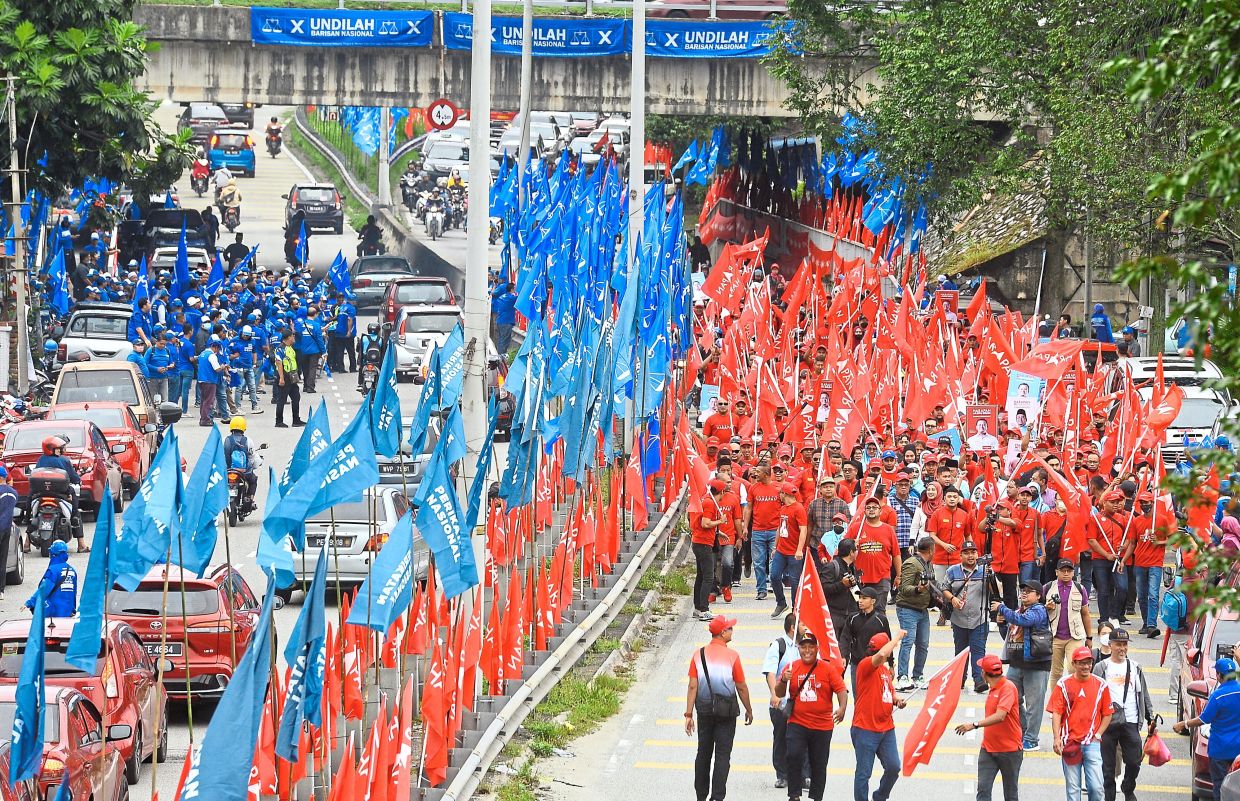
The approaching state elections scheduled for Johor and Negri Sembilan in 2026, alongside whispers of imminent national polls, are set to unleash a wave of psychological strain across Malaysia. For many local politicians, the anxiety begins long before campaign season officially commences—starting with the agonising uncertainty of whether they will secure a party nomination to contest. Those who pass this initial hurdle face a different torment: the persistent "what if" scenarios that plague their thoughts as voting day approaches. For sitting representatives and established political figures, the stakes feel particularly high, as electoral defeat carries not just the loss of office but also the prospect of reputational damage and derailed long-term political aspirations. This emotional turbulence extends far beyond campaign rallies and press conferences.
The physical and psychological manifestations of election-related stress become increasingly apparent during the campaign period. Sleep disruption, persistent fatigue, and heightened irritability plague those most directly involved in the electoral process. The modern political environment has amplified these burdens through social media, where unverified allegations and sensationalised stories circulate rapidly, deliberately designed to damage candidates' standing. Despite these formidable challenges, Malaysian politicians have consistently demonstrated resilience, summoning determination and effort even when circumstances seem unfavourable. Yet the emotional demands placed upon candidates remain substantial and often underappreciated.
The impact of elections extends well beyond those seeking office. For ordinary citizens, the cascade of election-related activity in homes, workplaces, and online platforms creates an inescapable environment of political discourse and uncertainty. Media saturation, constant debate, and widespread speculation about post-election policy shifts generate genuine anxiety among voters concerned about the direction of the nation and its personal consequences for their lives. The contemporary Malaysian political landscape, marked by an expanding number of political parties and intricate coalition arrangements, demands that voters navigate increasingly complex strategic calculations before entering the ballot box. This cognitive burden, combined with emotional investment in political outcomes, creates conditions ripe for sustained psychological stress.
When political identity becomes deeply intertwined with personal identity, electoral competition transforms into something that feels more personal than procedural. Voters increasingly experience political disagreements as direct personal attacks, particularly when their preferred party fails to secure victory. This phenomenon is not unique to Malaysia—it reflects a broader global trend—but its consequences are profound. The bitterness and pervasive negativity that characterise campaign periods, amplified by relentless media coverage and algorithmic social media feeds designed to maximise engagement through conflict, generate stress and resentment that seep into personal relationships. People become more reactive, defensive, and withdrawn, affecting not just their political behaviour but their broader social functioning.
One distinctly Malaysian phenomenon, however, provides some reassurance: the capacity for rapid reconciliation following election results. Across the country, regardless of electoral outcome, rivalries typically dissolve quickly, with former opponents exchanging genuine warmth and restored civility. This cultural phenomenon suggests that Malaysian political adversaries maintain deeper reservoirs of mutual respect than their campaign rhetoric might suggest. Nevertheless, the period preceding this resolution involves genuine psychological distress that warrants serious attention.
Election-related anxiety operates through well-understood neurobiological mechanisms. When citizens experience heightened stress and uncertainty about electoral outcomes, their autonomic nervous systems trigger the release of stress hormones including adrenaline and cortisol. These physiological responses, while adaptive in short-term crisis situations, become problematic when sustained over weeks or months. Elevated adrenaline levels significantly increase cardiovascular risk, potentially triggering heart attacks or strokes in vulnerable individuals. Sustained cortisol elevation disrupts multiple bodily systems: blood sugar regulation becomes impaired, immune function diminishes, and blood vessel constriction reduces oxygen delivery throughout the body. These are not merely theoretical risks but documented physiological consequences of prolonged psychological stress.
The brain's emotional centres, particularly the amygdala, undergo measurable changes during high-stress periods. These almond-shaped structures, responsible for processing sensory information, storing memories, generating emotional responses, and influencing decision-making, can become hypersensitive during election seasons. When chronically activated, the amygdala responds disproportionately to perceived threats, triggering irrational emotional reactions and biased judgement. This neurological reality explains why voters often find their reasoning becomes clouded during intense electoral campaigns, and why political disagreements can rapidly escalate into heated personal conflicts.
While Malaysia lacks comprehensive research specifically examining election anxiety among its population, international evidence provides compelling parallels. Britain's 2019 general election generated sufficient psychological distress that one in three citizens reported negative impacts on their mental wellbeing, primarily driven by uncertainty regarding post-election policy shifts. The situation proved even more pronounced in the United States, where surveys conducted ahead of the 2024 presidential election revealed that 56 percent of American adults classified the election as a significant stressor affecting their daily lives. These findings suggest that election anxiety represents a genuine psychological phenomenon transcending national boundaries, cultural contexts, and political systems.
However, Malaysia's electoral experience reflects distinctive characteristics shaped by individual personality types and historical political experience. Registered voters approaching upcoming elections typically display varying psychological profiles, ranging from those motivated primarily by gratitude toward incumbent leadership and civic duty, to those driven by principled ideological conviction. The months preceding election day often witness intense internal deliberation among voters wrestling with competing policy positions, philosophical differences between candidates, and strategic considerations about electoral mathematics. This period of intensive political engagement, while potentially stressful, also reflects democratic citizenship at work—citizens grappling seriously with consequential choices.
The convergence of election anxiety with demographic and psychological factors creates a complex landscape affecting national wellbeing. Younger voters, less anchored to established political habits, may experience greater uncertainty and stress. Meanwhile, older voters drawing on decades of political experience may exhibit greater equilibrium, having witnessed multiple electoral cycles and their consequences. Individuals with existing anxiety disorders or depression may experience substantial exacerbation during election periods. The cumulative effect across a population of millions generates measurable impacts on healthcare systems, workplace productivity, and social harmony that extend beyond easily quantifiable metrics.
Understanding election anxiety represents more than academic exercise—it provides frameworks for helping citizens manage legitimate psychological responses to genuine political uncertainty. Mental health professionals should anticipate increased demand for services during and immediately following major elections. Policymakers might consider election period timing to minimise extended campaigns that amplify stress. Media organisations bear responsibility for moderating sensationalism that disproportionately amplifies anxiety-inducing content. For individual Malaysians, acknowledging that election-related stress represents a normal human response to significant uncertainty can reduce shame and encourage healthier coping mechanisms including adequate sleep, physical activity, social connection, and limiting media consumption.
As Malaysia confronts electoral cycles likely to intensify in coming years, the psychological dimension of democratic participation merits explicit recognition. Elections remain essential mechanisms for democratic accountability and political choice, yet their implementation carries genuine costs for mental and physical health. The challenge facing Malaysia involves preserving the democratic benefits of regular electoral competition while developing systemic approaches to minimise the collateral psychological damage such competitions inevitably generate. This requires commitment from political parties, media organisations, technology platforms, and citizens themselves to conduct electoral contests with integrity while maintaining the cross-partisan civility and mutual respect that has traditionally characterised Malaysian political culture following voting.

