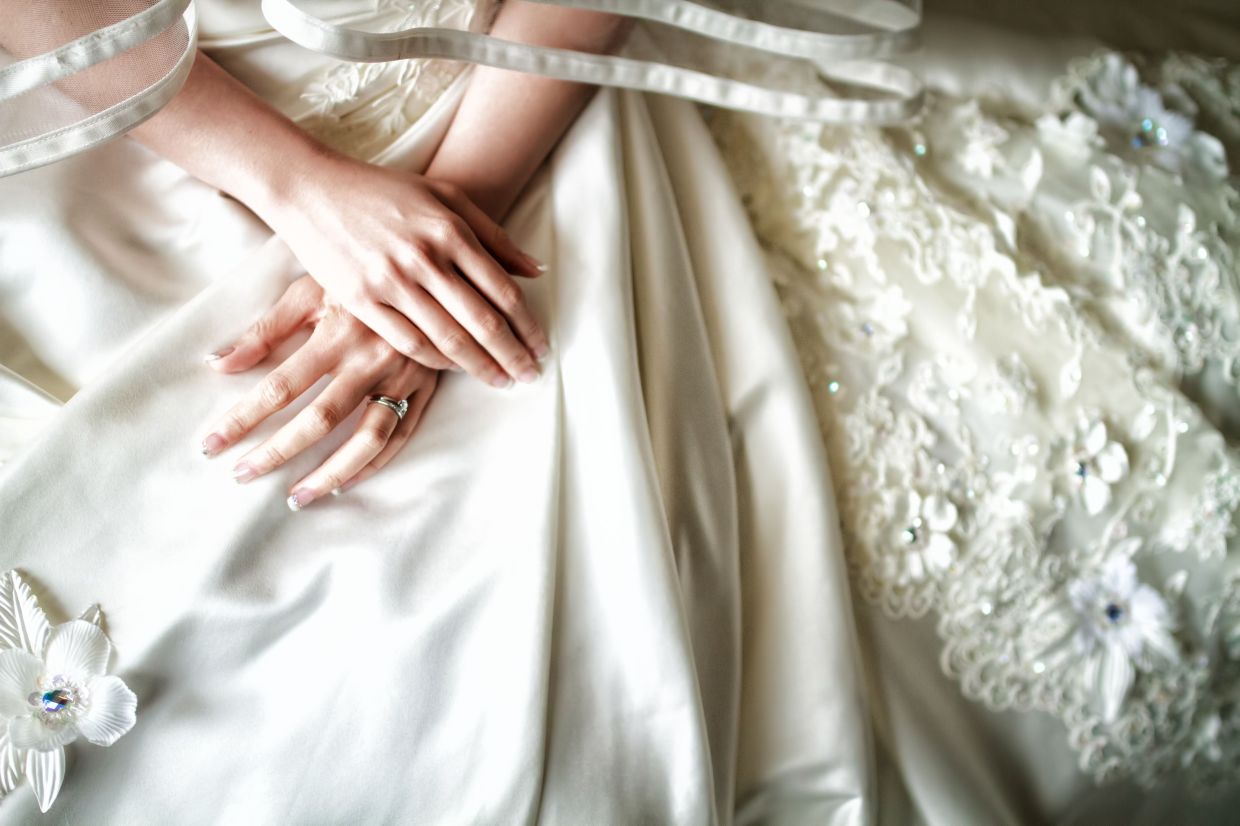
When confronted with a mother's or grandmother's wedding gown gathering dust in the wardrobe, many people find themselves paralysed by sentiment. The decision to keep, alter, donate, or discard these garments touches something deeper than mere fashion preference—it involves wrestling with memory, identity, and the passage of generations. For those without daughters or daughters-in-law to continue the tradition, the dilemma becomes particularly acute, forcing a reckoning between nostalgia and practical necessity.
Clothing, especially items with family significance, functions as far more than fabric and thread. These pieces become tangible connections to our past, preserving moments and emotions that might otherwise fade entirely. A wedding dress, in particular, embodies not just one person's most significant day but often an entire era—the materials available, the design sensibilities of the time, the hopes and dreams stitched into every seam. The act of preserving or releasing such an object carries psychological weight that experts have increasingly come to recognise and validate.
Cameron Silver, a luxury brand consultant and founder of Decades, one of the earliest high-end vintage retailers, brings a nuanced perspective honed through years of advising clients on wardrobe decisions. Silver describes his role as encompassing far more than fashion consultation; he frequently adopts a quasi-therapeutic stance, helping individuals process the emotions surrounding their possessions. Rather than pressuring clients to purge, Silver encourages reflection through practical questioning: Does the dress still fit? Will it realistically be worn again? Most tellingly, how would one feel if the item simply vanished or were stolen?
These questions serve as a diagnostic tool, revealing the true nature of attachment. Sometimes the answer clarifies that holding onto a dress serves genuine emotional purposes; other times, it exposes hoarding patterns masking as heritage preservation. Finding the line between meaningful stewardship and unnecessary clutter requires honest self-examination. There exists genuine liberation in consciously releasing items that no longer serve our lives, even—or especially—those laden with sentimental significance.
For those determined to preserve the dress while acknowledging changing circumstances, transformation into a new garment offers creative possibility. Redesigning a wedding gown into a christening dress, evening wear, or decorative textile honour its origins while adapting it to contemporary utility. Yet this approach demands acknowledging that something essential may be lost—the dress loses its original identity and purpose, becoming something hybrid. The transformation itself becomes part of the garment's story, layering new memories atop old ones.
Donation represents another meaningful path, particularly through organisations specifically designed for this purpose. Brides Across America redistributes wedding gowns to engaged military personnel and emergency medical workers who might otherwise lack resources for formal wedding attire. This approach resurrects the dress's primary function while extending its significance to strangers who will create entirely new memories within its fabric. Emily Spivack, who documents such transfers, advocates for including written notes describing the dress's provenance and original wearer's story, allowing subsequent wearers to inherit not merely a garment but a narrative.
Documentation offers its own powerful pathway to closure. Spivack conducts workshops where participants bring personally significant garments, photograph them, record their stories, and share memories with family members. Through this process of intentional witnessing and recording, many people report feeling they have adequately processed their attachment, enabling them to part with the physical object while preserving its essence. The story itself becomes the heirloom, transmitted across generations in conversation and written records rather than deteriorating fabric.
Academic institutions increasingly recognise the scholarly value embedded in ordinary wedding gowns, viewing them as primary sources for understanding women's lives, economic conditions, and social practices. Universities including Smith College, Drexel University, Ohio State University, and Cornell University now actively collect wedding-related garments as teaching objects rather than art pieces. Unlike traditional museum costume collections focused on design innovation or textile rarity, these academic collections prioritise the everyday and the ordinary, using clothes to illuminate historical circumstances and lived experience.
Cornell University's Fashion + Textile Collection, led by director Denise Green, houses nearly 350 wedding gowns and related accessories among more than 11,000 objects. One particularly compelling example is a 1942 wedding dress created by British dressmaker Cylka Berke for her own wartime London wedding, deliberately designed to maximise fabric efficiency and minimise waste during material shortages. Though Berke remains largely unknown outside fashion circles, her dress transcends personal significance, becoming a material witness to wartime rationing, design ingenuity under constraint, and the enduring human need for ceremonial beauty amid global strife. Notably, the gown's rayon fabric—chosen because silk was reserved for military parachutes and escape maps—has retained a remarkably brilliant white, preserving the dress's visual integrity across decades.
These academic collections represent a modern recognition that ordinary garments carry extraordinary historical significance. A wedding dress tells stories about accessible resources, cultural values, generational expectations, and individual creativity within structural constraints. By donating to such institutions, families ensure that their ancestor's dress contributes to broader scholarly understanding while receiving professional preservation and regular scholarly engagement. The garment transcends purely personal meaning, becoming part of the historical record.
For Malaysian and Southeast Asian families increasingly navigating globalisation and changing family structures, these questions carry particular resonance. As migration, delayed marriages, and smaller family units become more common, many will face decisions about heirloom wedding garments without clear successors. The range of thoughtful alternatives now available—from creative redesign to strategic donation to institutional preservation—allows families to honour their textile heritage without sacrificing practical living space or burdening reluctant inheritors with unwanted obligations. The goal becomes not unconditional preservation but thoughtful stewardship, ensuring that family stories remain alive through whatever medium best serves contemporary life.

