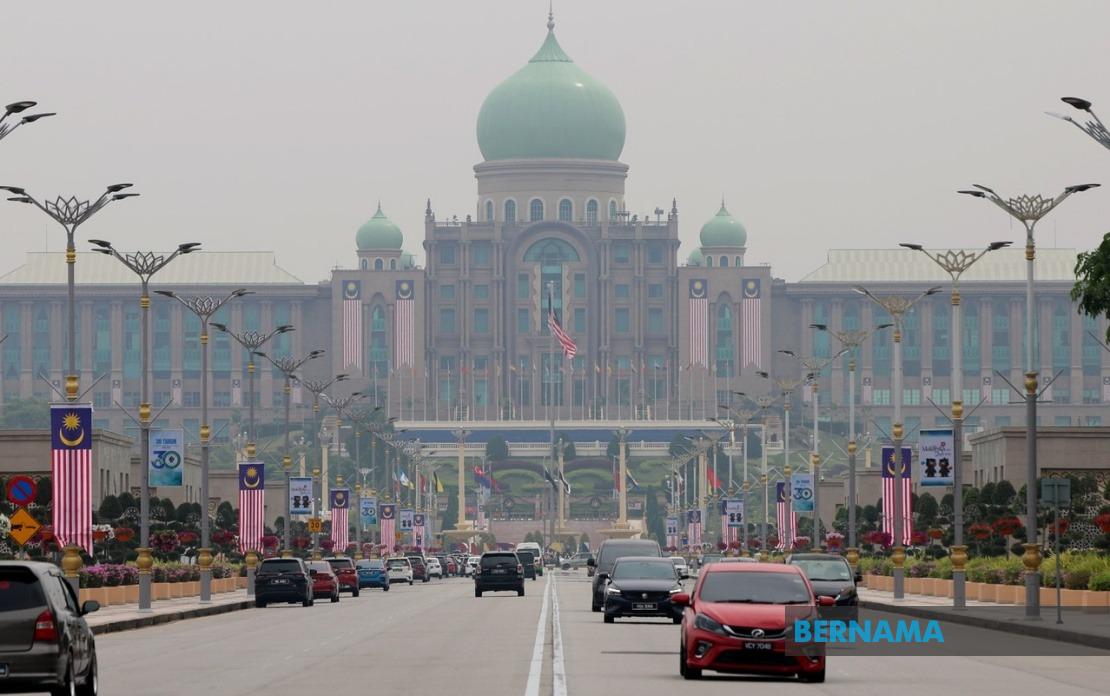
The Malaysian Meteorological Department has issued a cautionary weather forecast for the final week of August, warning that several regions across the country face elevated haze concentrations driven by seasonal wind patterns and transboundary pollution sources. According to projections monitored by MetMalaysia, conditions between August 27 and 31 will remain challenging, with visibility constraints expected to persist across multiple states and federal territories. Director-General Dr Mohd Hisham Mohd Anip attributed the deteriorating air quality to the active southwest monsoon winds now dominating the region, combined with the continued prevalence of hotspots detected across southern Sumatra and western Kalimantan—longstanding sources of seasonal transboundary haze affecting Southeast Asia.
The Malaysian Community Multiscale Air Quality Model forecast indicates that Sarawak faces the most significant risk during this five-day period. Most districts in the state are expected to experience hazy weather conditions classified at the Unhealthy level according to the Air Pollutant Index scale, with some areas potentially deteriorating further. The model's projections suggest that several Sarawakian districts could reach Very Unhealthy status on August 30 and 31, representing the most severe category outside emergency levels. This concentration of poor air quality in East Malaysia reflects the geographic vulnerability of Sarawak and Sabah to haze episodes, given their proximity to Indonesian fire sources and prevailing wind patterns that funnel smoke northward across the Sulu and Celebes seas.
Sabah is similarly positioned to experience haze complications beginning from Saturday of the forecast week, with deteriorating visibility expected in the days that follow. On the peninsula, authorities have flagged concerns for Johor, Melaka, Negeri Sembilan, Selangor, Kuala Lumpur, and Putrajaya, where elevated haze concentrations could persist through August 31. The inclusion of Putrajaya—the nation's administrative capital—among the affected areas has particular significance given the scheduled National Day ceremonies planned for that date. The temporal alignment of the haze event with one of Malaysia's most prominent national observances has created a complex planning challenge for government officials coordinating festivities and public gatherings.
The situation has prompted high-level governmental attention regarding the feasibility of holding celebrations as originally planned. Communications Minister Datuk Seri Fahmi Fadzil announced that the government is actively evaluating whether to reduce the scale of National Day observances or relocate festivities to alternative venues where air quality conditions may be more favorable. Such adjustments would represent a significant modification to established protocols, as August 31 celebrations in Putrajaya typically draw participation from government officials, military personnel, and citizens across the nation. The contingency discussions reflect both the unpredictability of haze episodes and the government's commitment to prioritizing public health amid atmospheric challenges.
Prime Minister Datuk Seri Anwar Ibrahim has called upon Malaysians to engage in prayer and reflection regarding the atmospheric situation, expressing hope that conditions remain manageable through both National Day on August 31 and Malaysia Day commemorations scheduled for September 16. The Prime Minister's public remarks acknowledge the uncertainty inherent in weather prediction while signaling governmental preparedness to proceed with planned celebrations should conditions permit. His emphasis on the concurrent preparations for two significant national observances underscores the logistical complexity facing the government machinery, which must simultaneously coordinate multiple ceremonial events while maintaining flexibility to adapt if environmental factors deteriorate.
MetMalaysia continues to operate real-time monitoring systems and has committed to issuing updated forecasts as new atmospheric data becomes available. The department's iterative approach reflects best practices in air quality prediction, as seasonal haze episodes often exhibit rapid changes in intensity and geographic distribution depending on fire activity in source regions and shifts in wind direction or speed. For Malaysian residents and businesses, the extended forecast period provides essential lead time to prepare contingency plans, whether through stockpiling air purification equipment, adjusting outdoor schedules, or implementing workplace measures to protect employee health. Schools and public institutions may also need to prepare protocols for possible outdoor activity restrictions should air quality indices reach hazardous thresholds.
The current haze episode represents the intersection of natural climate patterns and human-driven factors that have characterized Southeast Asian air quality challenges for decades. The southwest monsoon winds, while a predictable seasonal phenomenon, interact with hotspot activity in Indonesia that reflects agricultural practices, forest management approaches, and industrial activities across the border. Malaysian policymakers have long advocated for enhanced transboundary cooperation mechanisms to address the root causes of seasonal haze, including efforts to reduce open burning and promote sustainable land-use practices. However, the immediate challenge remains managing the current atmospheric event while minimizing public health impacts and maintaining essential national functions.
For residents in affected areas, health authorities typically recommend preventive measures including the use of N95 respiratory masks, limiting outdoor exposure during peak haze hours, and increasing indoor air filtration. Vulnerable populations including elderly individuals, children, and those with respiratory conditions face elevated health risks during Unhealthy and Very Unhealthy air quality episodes. The potential disruption to National Day celebrations adds a public health dimension to the atmospheric situation, as large outdoor gatherings would expose participants to sustained exposure to elevated pollution concentrations. Government health agencies are likely preparing public advisories and medical response protocols in anticipation of possible health-related complaints if celebrations proceed as scheduled.
The MetMalaysia forecast reflects the meteorological department's commitment to providing timely atmospheric information to support government decision-making and public safety measures. As the August 31 deadline approaches, updated forecasts will provide greater clarity regarding the likely trajectory of haze concentrations and the feasibility of maintaining planned ceremonial arrangements. The government's willingness to consider alternative approaches demonstrates adaptive governance in response to environmental constraints—a necessary approach given Malaysia's recurring vulnerability to transboundary haze episodes that fundamentally alter normal activities and public functions.

