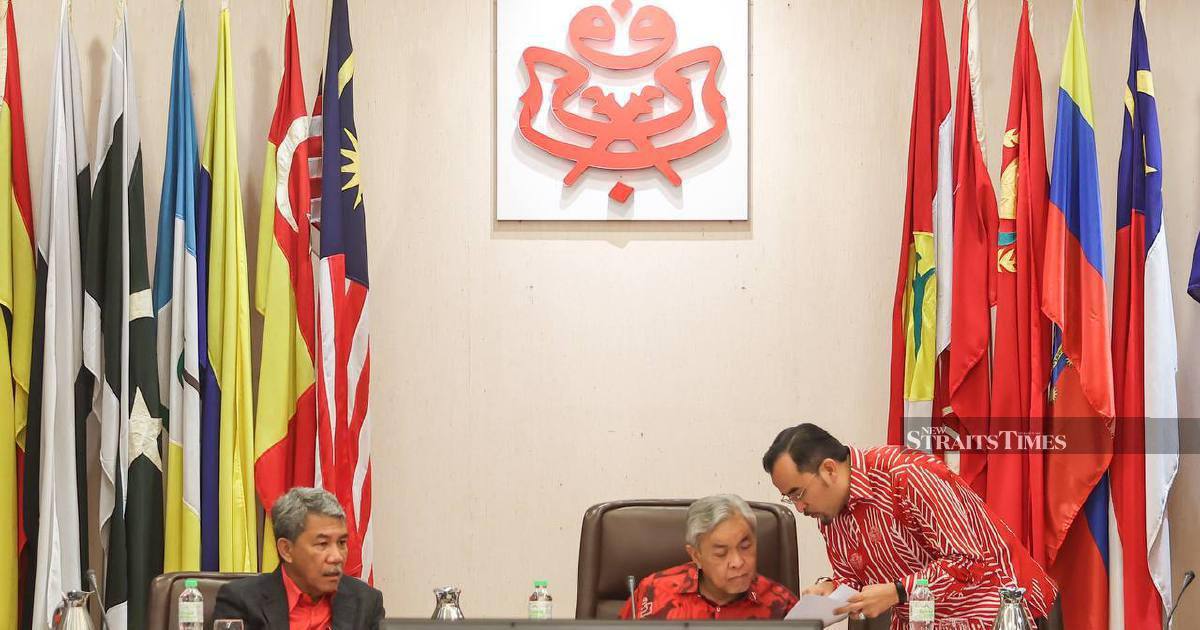
Fundamental legal protections for those under investigation require stronger enforcement in Malaysia, according to Umno secretary-general Datuk Dr Asyraf Wajdi Dusuki, who has stressed that detention during investigative processes must not strip individuals of the presumption of innocence guaranteed under the nation's legal framework.
The statement represents a significant reaffirmation of constitutional principles that increasingly come under pressure as enforcement agencies broaden investigative powers and public opinion swiftly renders judgment against the accused. Under Malaysian law, specifically the Federal Constitution Article 5, no person can be deprived of life or personal liberty except in accordance with law, yet the gap between legislative protections and practical application remains problematic in many cases.
Ashyraf's intervention signals growing concern within Umno about how detention practices have evolved, particularly given the high-profile investigations into political and business figures that have dominated Malaysian headlines in recent years. The principle of presumption of innocence represents one of the most fundamental tenets of common law jurisprudence, inherited through Malaysia's British legal tradition, yet it faces erosion through mechanisms including prolonged investigative detention and prejudicial media coverage.
The concern reflects international best practice standards outlined by bodies such as the United Nations, which emphasize that investigative detention should serve legitimate procedural purposes rather than function as informal punishment. Malaysia's track record in this area has drawn scrutiny from international human rights organizations, which have documented instances where individuals held for questioning face conditions and durations that exceed those contemplated by procedural law.
During investigative periods, individuals often face restricted access to legal counsel, limited communication with family members, and public exposure through media channels that frequently portray them as culpable before any formal charges materialise. These circumstances create practical difficulties for those presumed innocent, affecting their reputation, employment prospects, and financial stability independent of any eventual court outcome.
For Malaysian readers and businesses, this issue carries particular relevance given the increasingly sophisticated investigation techniques employed by multiple agencies including the Malaysian Anti-Corruption Commission, the Commercial Crime Investigation Department, and the Bukit Aman Federal Criminal Investigation Department. Companies and executives navigating regulatory compliance face scenarios where investigative detention could trigger shareholder concerns, supplier withdrawals, and customer loss regardless of subsequent exoneration.
The statement from Asyraf arrives amid broader regional discussions about investigative standards, as neighbouring countries including Singapore and Indonesia face similar tensions between effective law enforcement and individual rights protection. Southeast Asia's varying approaches to this balance offer instructive lessons for Malaysian policymakers seeking reform without compromising investigative capacity.
Implementing stronger protections would require coordinated action across multiple institutions, including legislative amendments establishing maximum investigative detention periods, judicial oversight mechanisms requiring regular detention reviews, mandatory access to legal representation, and protocols limiting pre-trial media disclosures that could prejudice eventual court proceedings.
The practical implications extend beyond individual rights to encompass broader economic and social costs. Businesses hesitate to expand operations in environments perceived as having unpredictable enforcement patterns or inadequate due process protections. Professional expertise becomes difficult to retain when individuals face reputational damage through investigative processes unconnected to eventual verdicts.
Ashyraf's position also reflects internal political considerations within Umno, where several senior members have faced corruption investigations over recent years. This historical context, however, does not diminish the legitimacy of advocating for robust legal protections applicable universally across all socioeconomic and political strata.
Moving forward, translating Asyraf's statement into institutional reform requires cooperation between the executive branch, judiciary, legislative bodies, and enforcement agencies. Such collaboration could establish clearer investigation timelines, strengthen legal representation access, and reinforce judicial independence in reviewing detention orders.
The broader significance extends to Malaysia's international standing on rule of law metrics assessed by organizations including Transparency International and the World Justice Project. Countries demonstrating stronger procedural protections for individuals under investigation typically rank higher on accountability indices and attract greater foreign investment confidence.
Ultimately, protecting presumption of innocence during investigations strengthens rather than weakens law enforcement effectiveness, as it encourages voluntary cooperation from witnesses, reduces legal challenges based on procedural violations, and maintains public confidence that justice systems operate according to established rules rather than discretionary power.

