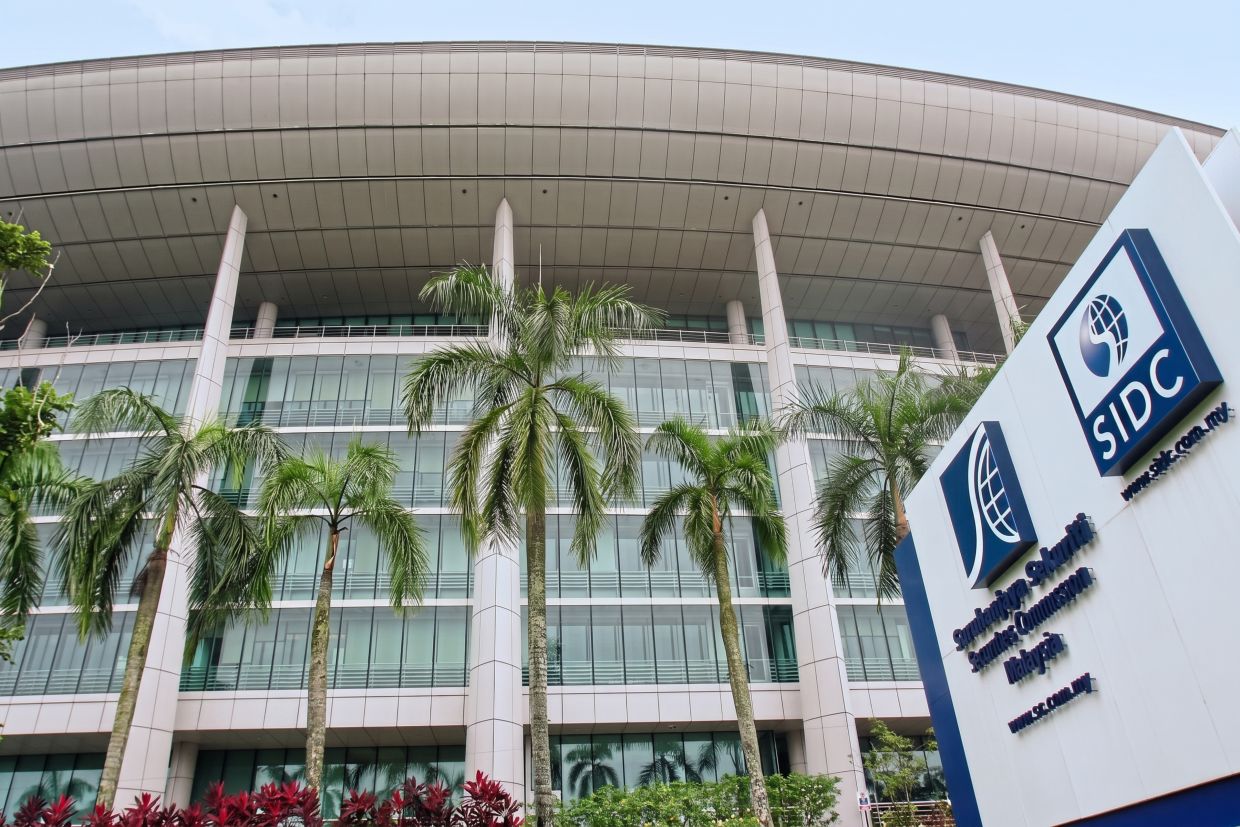
Malaysia's Securities Commission has moved to prosecute three brothers—Anuar Hassan, Mohd Amin Hassan, and Amir Hassan—in separate proceedings at Kuala Lumpur Sessions Courts over what authorities describe as systematic violations of capital markets regulations. The charges represent a significant enforcement action targeting unauthorised securities dealing, an activity that regulators view as posing substantial risks to retail investors and market integrity across the nation.
The prosecution centres on allegations that the three men conducted a securities dealing business without obtaining the mandatory Capital Markets Services Licence from the SC, a foundational requirement under Malaysia's capital markets framework. Unlicensed dealing operations circumvent critical regulatory safeguards designed to protect investors, verify financial stability of intermediaries, and maintain orderly market conduct. The scope and nature of the charges suggest a coordinated operation rather than isolated instances of regulatory breach.
The specific legal charges vary across the brothers but cluster around section 58(1) of the Capital Markets and Services Act 2007, which criminalises the carrying on of capital market business activities without proper authorisation. Some charges additionally invoke section 34 of the Penal Code, a provision that extends liability to persons acting in concert or furthering common criminal objectives. This layered charging approach indicates that prosecutors believe the brothers acted jointly in certain instances while maintaining individual culpability in others.
Mohd Amin Hassan faced one standalone charge under section 58(1) of the CMSA and received a RM30,000 bail with two Malaysian sureties, along with conditions requiring him to surrender his passport to court and submit to monthly reporting with the SC's investigating officer. Anuar and Amir were jointly charged on two counts under the same section read with the Penal Code provision, each securing RM30,000 bail with comparable conditions. Additionally, Amin and Amir received a further charge on one count, granted at RM20,000 bail per person, while Amir faced two additional charges at RM30,000 bail.
The layered bail structure reflects the court's assessment of flight risk and the seriousness of multiple offences. By imposing consistent conditions—particularly passport surrender and mandatory SC reporting—the judiciary has signalled concern about the potential for accused persons to flee or continue problematic conduct. Monthly reporting requirements create a surveillance mechanism that keeps investigating officers informed of the brothers' movements and circumstances.
All three accused have claimed trial, meaning they contest the allegations and require the prosecution to prove guilt beyond reasonable doubt. This procedural stance extends the matter through what is likely to be a protracted legal process, potentially spanning months or years depending on court schedules and the complexity of evidence. The SC must now marshal documentary evidence, transaction records, witness testimony, and expert analysis to demonstrate that the brothers engaged in securities dealing activity without licences.
The alleged conduct reportedly occurred between March 2019 and October 2019, spanning multiple locations including Kuala Lumpur, Putrajaya, Selangor, and Johor. This geographic spread suggests operations across the Klang Valley and southern Peninsular Malaysia, potentially indicating a customer base or infrastructure scattered beyond a single jurisdiction. The seven-month timeframe implies organised, sustained activity rather than sporadic violations, which prosecutors may argue demonstrates deliberate defiance of regulatory requirements.
Conviction carries severe penalties designed to deter securities market violations. If found guilty, each defendant faces a potential fine not exceeding RM10 million, imprisonment for up to 10 years, or both penalties combined. Such sentences reflect Parliament's view that unlicensed dealing represents a serious threat to financial system stability and investor confidence. The maximum terms are comparable to those imposed for white-collar financial crimes and breach of trust.
This enforcement action occurs within a broader context of SC vigilance regarding unauthorised capital markets activity. Unlicensed dealers frequently exploit retail investors through fraudulent schemes, unregistered investment products, or pyramid-style operations that generate early returns through subsequent investor capital. By prosecuting the Hassan brothers, the SC demonstrates commitment to eliminating gatekeeping violations that undermine the entire regulatory framework protecting Malaysian investors.
For investors and market participants, the case underscores the importance of verifying that any financial intermediary or adviser holds current SC authorisation. The public can cross-reference the SC's online registry to confirm licensing status before engaging with securities dealers, fund managers, or investment advisers. The prosecutions also remind the general public that investing through unlicensed channels exposes them to loss without the protections—including dispute resolution mechanisms and compensation schemes—that licensed operators must provide.
The case carries implications for the broader Southeast Asian investment landscape. As the region increasingly attracts cross-border capital flows and fintech-enabled financial services, regulatory agencies across Indonesia, Thailand, Singapore, and the Philippines face similar challenges managing unauthorised dealing and investment fraud. Malaysia's enforcement approach provides a regional benchmark for how jurisdictions can coordinate with securities commissions to address transnational violations.
The outcome of these proceedings will likely influence future SC enforcement priorities and signal to potential market participants the consequences of operating without proper authorisation. Should convictions result, they may lead to higher penalties in subsequent similar cases or encourage more aggressive asset seizure and account freezing tactics to disrupt unlicensed operations before they cause widespread investor harm. The case demonstrates that Malaysia's financial regulator possesses both statutory tools and institutional resolve to pursue systematic violations of capital markets law.

