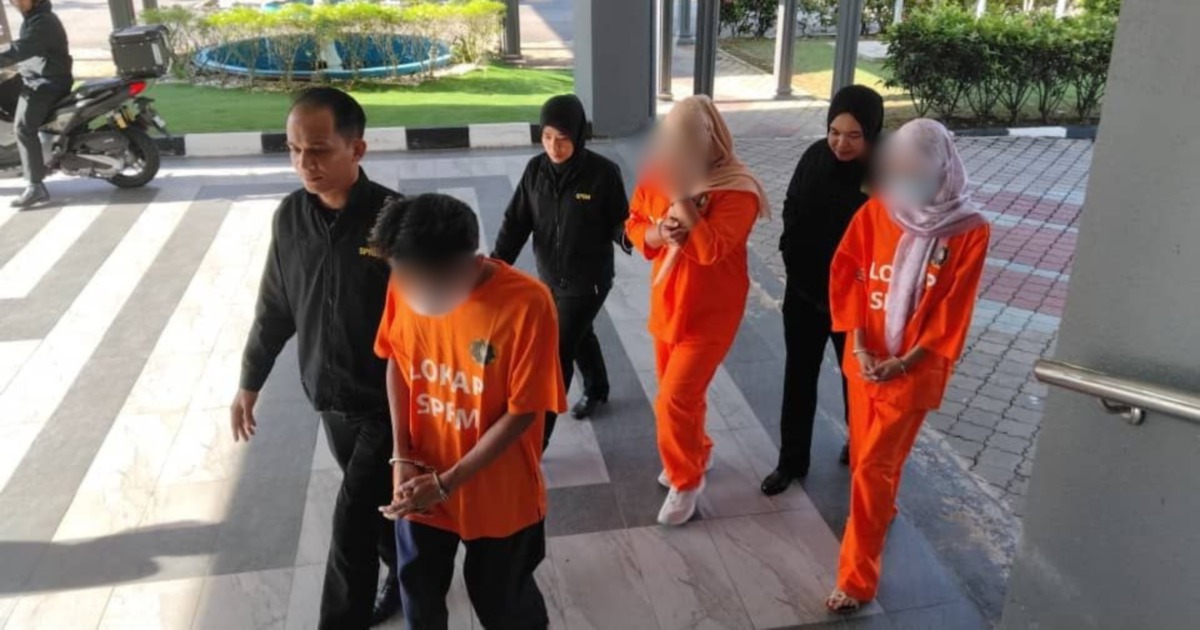
The Terengganu office of the Malaysian Anti-Corruption Commission (MACC) has placed three individuals in remand custody as it investigates allegations of fraudulent claims related to wedding catering services worth RM51,000. Among those detained is a former manager employed by a frozen food enterprise, marking another instance of alleged procurement fraud within the state.
The specifics surrounding how the false claims were structured and submitted remain under investigation by anti-corruption authorities. The involvement of someone with a management background at a food supply company suggests a potential scheme leveraging industry connections and credentials to facilitate the submission of inflated or entirely fictitious invoices for catering work that may not have been fully delivered or rendered.
This case exemplifies a growing concern across Malaysia regarding fraudulent expense claims in the events and catering sector. Wedding services, in particular, have become vulnerable to exploitation given the significant sums involved and the typically decentralised procurement processes many couples employ when organising celebrations. The presence of a corporate insider—particularly someone accustomed to managing vendor relationships and financial documentation—significantly heightens the sophistication and credibility risk of such schemes.
The MACC's rapid action in detaining the three suspects reflects renewed vigilance within the anti-corruption framework. Terengganu, like other states, has intensified efforts to investigate white-collar offences following sustained public concern about misappropriation and fraud in both public and private sectors. The commission has expanded its investigative capacity to examine dishonest claims that do not necessarily fall within government procurement but affect private individuals and businesses.
For Malaysian consumers in the wedding industry, this development carries important implications. The incident underscores the risks associated with engaging vendors without proper verification or transparent pricing frameworks. Many couples arrange catering through informal networks or single-point contacts, creating vulnerabilities that fraudsters exploit. The case highlights the necessity for prospective clients to request detailed itemised quotations, cross-reference supplier credentials, and verify business registrations independently.
The frozen food sector itself faces reputational pressures from such incidents. Malaysia's food supply chain, while generally robust, depends heavily on trust and regulatory compliance. The involvement of a management-level individual from the industry suggests possible internal control failures or systematic weaknesses that enabled fraudulent document preparation. Legitimate food suppliers and catering firms must now contend with heightened scrutiny from both consumers and regulators seeking to prevent similar misconduct.
Froms an enforcement perspective, this remand decision reflects the commission's authority to investigate corruption offences extending beyond the public service. Section 23 of the MACC Act permits investigation into commercial transactions and private sector misconduct when elements of dishonesty, fraudulent intent, or breach of trust are evident. The three-person remand signals the MACC's determination to pursue complex schemes involving multiple actors, suggesting a coordinated operation rather than isolated opportunistic fraud.
The RM51,000 figure, while substantial for individual consumers, falls within a range that often escapes serious scrutiny in informal procurement environments. Couples planning ceremonies frequently allocate significant budgets to catering, with figures ranging between RM30,000 and RM100,000 being commonplace depending on guest numbers and service level. This makes the sector inherently susceptible to claims that blur the line between standard pricing and outright fabrication.
The investigation's progression will likely examine transaction records, vendor invoices, and communications between the accused parties and their clients. Authorities will need to establish whether payments were made for services never delivered, whether quantities or quality specifications were misrepresented, or whether entirely fictional vendors were invented to justify inflated claims. The involvement of three individuals suggests a more organised structure, possibly with distinct roles in soliciting customers, generating false documentation, and processing payments.
For the wider business community in Terengganu and beyond, this case represents a cautionary narrative about internal controls and employee screening. Companies employing staff with vendor or procurement responsibilities face elevated risks when proper segregation of duties and supervisory oversight are inadequate. The former manager's position would have granted access to industry terminology, supplier networks, and invoicing conventions—all assets readily misused by someone intent on deception.
Regulatory bodies overseeing the food service and events industry may respond by tightening verification procedures or establishing industry standards for invoice validation. Consumer protection agencies could also leverage this case as an educational opportunity, disseminating practical guidance on safe catering procurement practices. The MACC investigation outcome, once concluded, will likely inform enforcement priorities and recommend preventive measures for other states and relevant agencies.
As investigations proceed, the three individuals remain in custody pending findings from the anti-corruption commission. The case underscores persistent vulnerabilities in Malaysia's catering and events sector, where significant financial commitments from private consumers intersect with supply chain complexities that create fertile ground for coordinated fraud schemes.

